




















































US says Trump is “interested” in seeking financial support from Arab nations to cover the costs of the war on Iran
White House spokesperson Karoline Leavitt said shifting the cost of the conflict to regional states is “an idea” that Trump is considering.

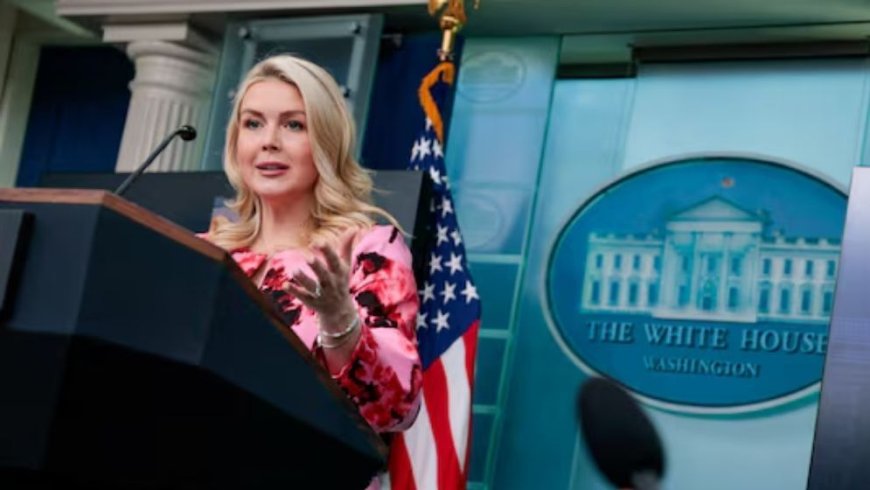
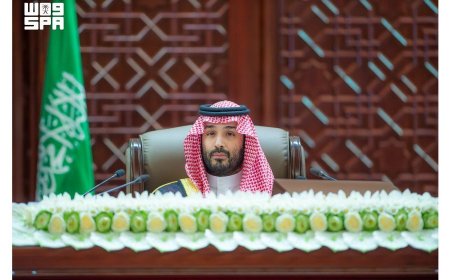
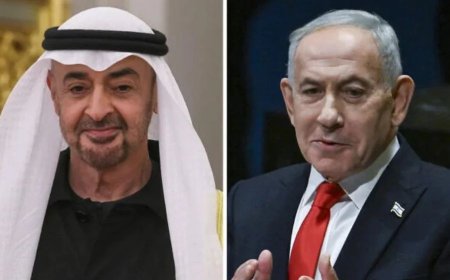
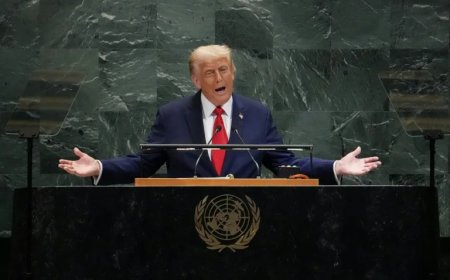
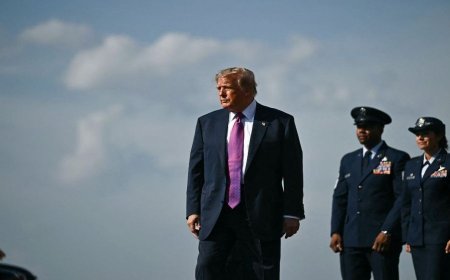
The White House has indicated that Donald Trump may seek financial contributions from Arab countries to help cover the cost of the US war against Iran, which is estimated to run into tens of billions of dollars.
Speaking on Monday, White House spokesperson Karoline Leavitt said the idea of asking regional states to fund the conflict is something Trump is “quite interested” in, though she declined to elaborate further, noting it is an idea he may address publicly later.
The proposal echoes the model used during the Gulf War, when the US led a broad international coalition to push Iraqi forces out of Kuwait. At that time, regional allies and partners such as Germany and Japan contributed about $54 billion to support US military operations.
In contrast, the current conflict with Iran was initiated by the US and Israel without forming a similar multinational coalition or securing prior backing from regional states.
Earlier this month, conservative commentator Sean Hannity suggested that any ceasefire agreement should require Iran to compensate the US for the war’s cost through oil payments.
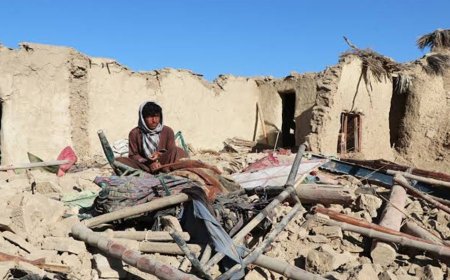
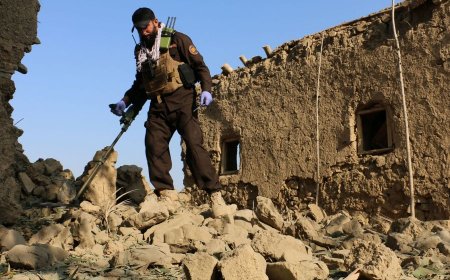
Iran, however, has demanded compensation from Washington for damages caused by the conflict, which has reportedly killed nearly 2,000 people. Tehran has responded to US and Israeli strikes with missile and drone attacks across the Middle East, targeting what it says are American assets, though strikes have also hit civilian infrastructure in several Gulf countries.
According to US media reports, officials told Congress in a classified briefing that the war cost $11.3 billion in its first six days, rising to $16.5 billion by day 12, based on estimates from the Center for Strategic and International Studies. With the conflict now in its fourth week, the total cost is expected to be significantly higher.
The White House is also seeking at least $200 billion in additional military funding from Congress to sustain operations and replenish Pentagon stockpiles.
Beyond direct military costs, the conflict has driven up global energy prices, particularly after Iran shut down the Strait of Hormuz. In the US, gasoline prices have climbed to an average of $3.99 per gallon, more than a dollar higher than pre-war levels, according to the American Automobile Association.
Despite the economic impact, Leavitt said the administration believes the short-term costs will be outweighed by the long-term benefit of weakening Iran, which Washington views as a threat to US interests and its allies. Iran, however, maintains it was attacked during ongoing diplomatic talks and posed no threat to the US or the region.
What's Your Reaction?