















































Tamim’s challenge: Reform, restore, and rebuild
Tamim’s challenge: Reform, restore, and rebuild

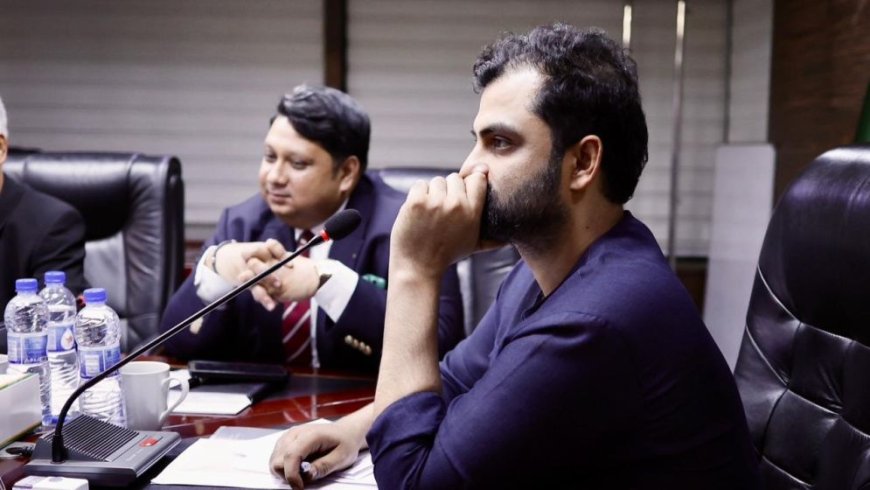
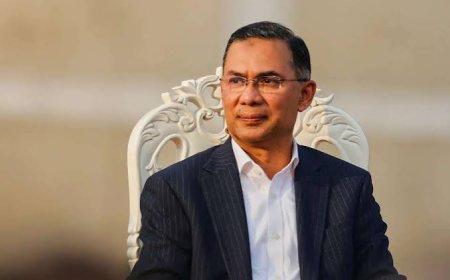
Holding office is less a privilege than a burden of responsibility—one that leaves little room for error. As Tamim Iqbal steps into the top role at a “new” Bangladesh Cricket Board, expectations are immediate and unforgiving. Results will be the minimum requirement, not the ultimate measure, and any misstep is likely to draw swift scrutiny in a system that has recently shown little patience.
With the Aminul Islam Bulbul-led board dissolved on Tuesday, Tamim, at 37, becomes the youngest president in the country’s cricket history. Yet symbolism offers no cushion. The experiences of predecessors like Faruque Ahmed and Bulbul—both former national captains who struggled to steady the system—underscore just how volatile the position has become.
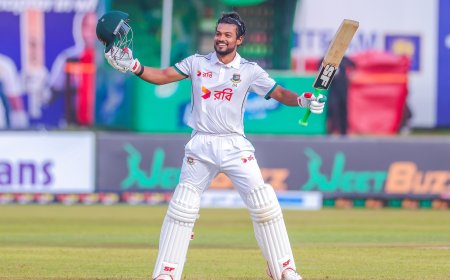
Bangladesh’s most prolific opener now enters a role where legacy will depend less on past achievements and more on present decisions. The challenges before him are not merely administrative; they are structural, cultural, and deeply political.
Reviving the Dhaka League
The most pressing priority is the revival of domestic cricket in Dhaka. Under the previous board, several clubs boycotted competitions, branding the administration “illegal.” In response, alternative tournaments were launched, including a 12-team first division league and a T20 competition featuring players from non-participating clubs.
The consequences have been severe. The second division saw similar boycotts, while the third division nearly collapsed, drawing only minimal participation.
Most critically, the Dhaka Premier Division Cricket League—the country’s only List A tournament and a key financial lifeline for players—remains stalled. National cricketers have openly voiced concern, as the competition provides a significant share of their annual income.
For Tamim, reviving the DPL is about more than scheduling—it is about rebuilding trust with players, the game’s most important stakeholders.
He has already signalled urgency, saying the board will engage directly with clubs, open the transfer window quickly, and explore alternative venues—including private academies—if traditional grounds remain unavailable.
Repairing ties with India
Beyond domestic issues, diplomacy presents another delicate challenge. Bangladesh’s cricketing relationship with India has cooled amid tensions surrounding Mustafizur Rahman’s exit from the Indian Premier League and a T20 World Cup withdrawal attributed to security concerns.
Disagreements involving the Board of Control for Cricket in India and the International Cricket Council have further complicated matters, casting uncertainty over bilateral engagements. A planned white-ball tour, originally set for 2025 and later shifted to September, now appears in doubt.
With global boards finalising the next Future Tours Programme, Bangladesh cannot afford prolonged strain with India. Tamim must act as a bridge-builder to safeguard the country’s international commitments.
Infrastructure and investment
Tamim has previously criticised the board’s reluctance to reinvest its substantial reserves—reportedly around Tk1,400 crore—into cricketing infrastructure. Now in charge, he has the opportunity to follow through.
Upgrading drainage systems, modernising stadiums, and developing cricket hubs beyond Dhaka could become defining elements of his tenure. A more decentralised structure would not only expand the talent pool but also reduce pressure on a limited number of venues.
Balancing reform with continuity
Even as he pushes for reform, maintaining continuity will be crucial. Despite recent turmoil, some initiatives from the previous board may hold long-term value. A complete reset risks further disruption, whereas selective continuity could ensure stability during transition.
Ensuring an inclusive election
At the heart of the interim committee’s mandate is the task of delivering a free, fair, and inclusive election within three months. Tamim has pledged to create a process that allows participation from all stakeholders—players, organisers, and administrators alike.
Achieving consensus, however, will be difficult in a fractured environment. Restoring institutional credibility and ensuring transparency will be key.
An inexperienced committee
Compounding the challenge is the relative inexperience of the committee itself. Only a handful of members—Tanjil Chowdhury, Rafiqul Islam, and Fahim Sinha—have prior board experience. The rest must adapt quickly.
In such a setting, effective decision-making, coordination, and crisis management become critical. With both leadership and structure in flux, the margin for error has rarely been narrower.
What's Your Reaction?