

















































Afghanistan has claimed that 400 people were killed in an airstrike on a Kabul hospital, a charge that Pakistan has strongly denied
Afghanistan has claimed that 400 people were killed in an airstrike on a Kabul hospital, a charge that Pakistan has strongly denied.

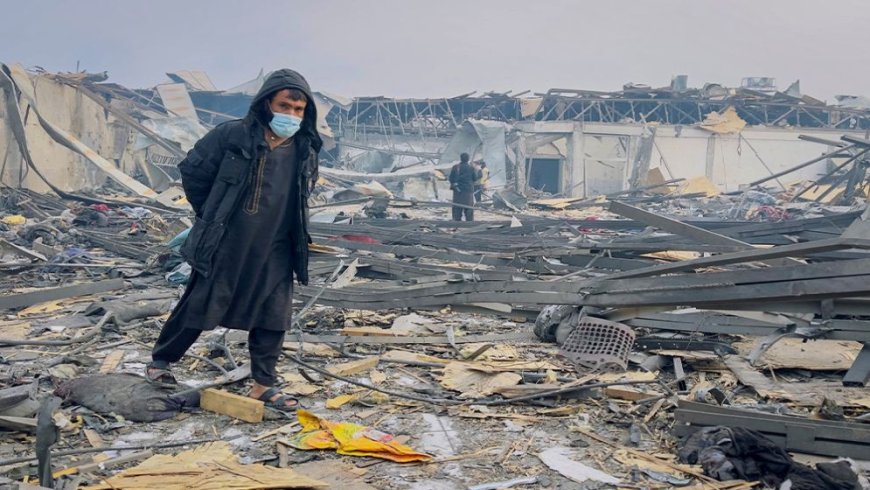
At least 400 people were killed and another 250 injured in a Pakistani airstrike on a drug rehabilitation hospital in Kabul, a spokesperson for the Afghan Taliban government said on Tuesday, marking a sharp escalation in tensions between the two neighbours.
Pakistan rejected the allegation as false and misleading, stating that its forces had “precisely targeted military installations and terrorist support infrastructure” during Monday night’s operation.
The strike came just hours after China reiterated its willingness to help ease tensions between the two South Asian Islamic nations, urging both sides to avoid further escalation and return to negotiations.
The conflict, which began last month, is the most severe between the neighbours—who share a 2,600-km border—in recent history. It had briefly subsided amid mediation efforts by friendly countries, including China, before flaring up again. The renewed escalation comes against a backdrop of wider regional instability, with tensions in the Middle East rising following U.S.-Israeli strikes on Iran and Tehran’s retaliation.
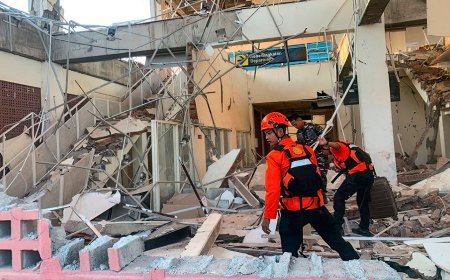
At the site of the attack, a charred single-storey building bore clear signs of fire damage. Elsewhere, structures had been reduced to piles of twisted wood and metal, with a few bunk beds still standing. Blankets, personal belongings and bedding lay scattered across the परिसर.
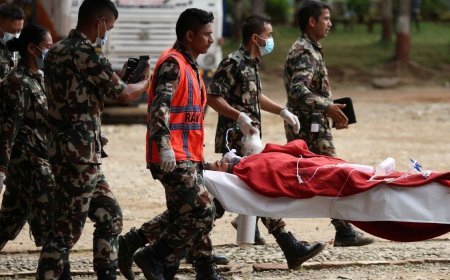
“When I arrived last night, everything was on fire—people were burning,” ambulance driver Haji Fahim told Reuters. “In the morning they called me back, saying there were still bodies under the rubble.”
Ambulances and police vehicles were stationed near the entrance of the damaged facility, identified by a sign as a 1,000-bed drug addiction treatment hospital, while security forces guarded the area.
Hamdullah Fitrat, deputy Taliban spokesperson, said the strike occurred around 9:00 pm on Monday and hit the state-run Omid hospital, which he described as a 2,000-bed rehabilitation centre. He said large sections of the facility were destroyed, with the death toll reaching 400 and up to 250 others wounded. Rescue teams were continuing efforts to extinguish fires and recover victims.
The casualty figures could not be independently verified, and Pakistani military officials were not immediately available for comment.
Pakistan’s Information Ministry dismissed the Taliban’s account as “misreporting of facts,” maintaining that the strikes targeted militant infrastructure—including equipment and ammunition storage facilities—linked to Afghan Taliban and Pakistani Taliban fighters in Kabul and Nangarhar.
“Pakistan’s targeting is precise and carefully conducted to avoid collateral damage,” the ministry said, adding that describing the site as a rehabilitation centre was an attempt to manipulate public sentiment and obscure alleged cross-border militant activity.
The Omid hospital, established in 2016, has treated hundreds of patients and offered vocational training such as tailoring and carpentry, according to local media.
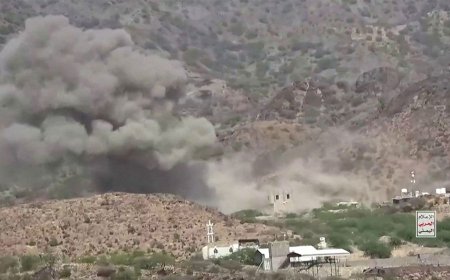
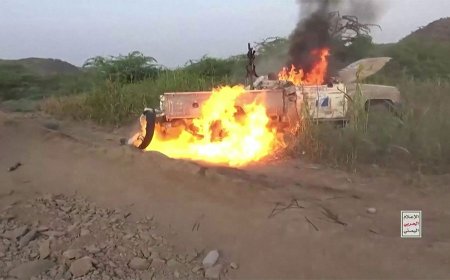
Footage aired by local outlets showed flames engulfing parts of the complex and thick smoke rising from the site, though the visuals could not be independently verified.
The latest violence follows weeks of intense fighting between the former allies. Pakistan says it is targeting militant strongholds, while Afghanistan has condemned the strikes as violations of its sovereignty and accused Islamabad of hitting civilian areas. Both sides claim to have inflicted heavy damage, but independent confirmation remains limited.
Islamabad has long accused Kabul of harbouring militants responsible for attacks inside Pakistan, an allegation the Taliban denies, insisting militancy is an internal Pakistani issue.
Richard Bennett said he was “dismayed” by reports of the latest airstrikes and civilian casualties, urging all parties to de-escalate, exercise restraint, and uphold international law, including the protection of civilians and healthcare facilities.
What's Your Reaction?