















































US negotiators are leaving without securing a peace agreement with Iran
US negotiators are leaving without securing a peace agreement with Iran.

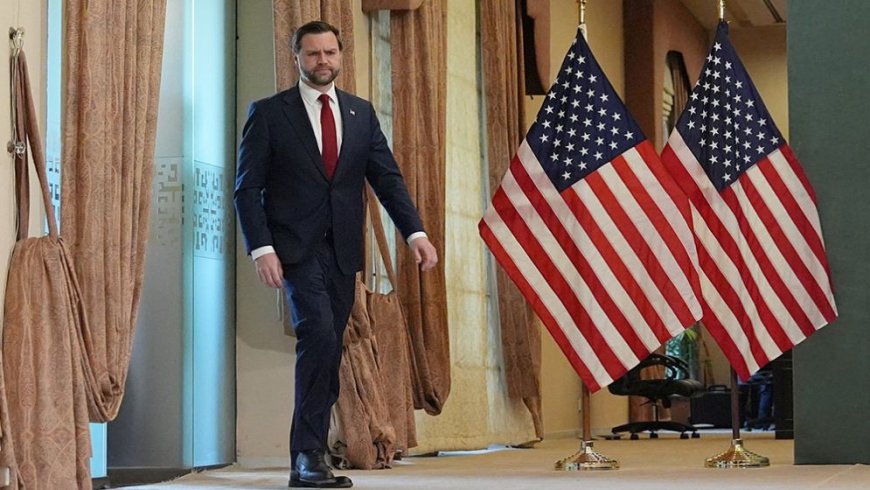
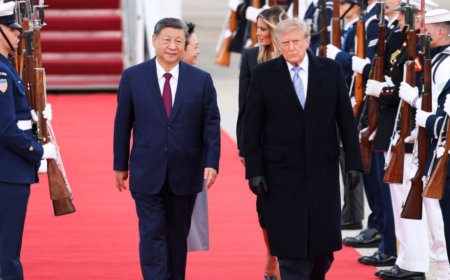
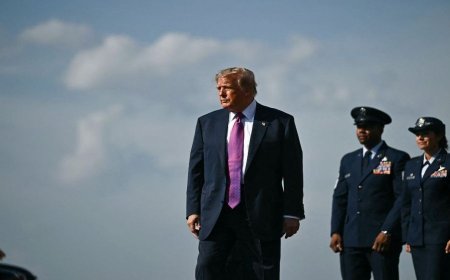
JD Vance said on Sunday that his negotiating team was departing Pakistan after failing to reach an agreement with Iran following 21 hours of talks.
Vance pointed to gaps in the negotiations, saying Tehran had refused to accept key US conditions, including a commitment not to develop nuclear weapons.
“The bad news is that we have not reached an agreement, and I think that's worse for Iran than it is for the United States,” he said. “We are returning without a deal, but we have made our red lines very clear.”
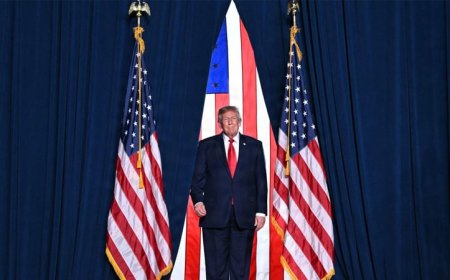
He added that he spoke multiple times with Donald Trump during the discussions.
The Islamabad talks marked the first direct engagement between the US and Iran in over a decade, and the highest-level contact since the 1979 Islamic Revolution. Their outcome could shape the future of the fragile ceasefire and the reopening of the Strait of Hormuz, a crucial route for roughly one-fifth of global energy supplies that Iran has blocked since the conflict began.
Iran, however, signaled that diplomacy remains ongoing. In a post on X, the government said technical teams would continue exchanging documents, adding that negotiations would proceed despite unresolved differences.
Vance, along with envoy Steve Witkoff and Trump’s son-in-law Jared Kushner, met Iranian officials including parliamentary speaker Mohammad Baqer Qalibaf and foreign minister Abbas Araqchi for several hours, according to a Pakistani source.
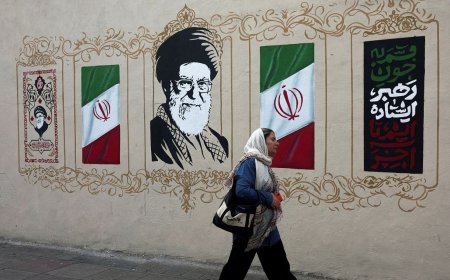
The Iranian delegation arrived in mourning attire following the death of Ali Khamenei and others killed in the war. They also carried items belonging to students reportedly killed in a US airstrike near a military compound—an incident the Pentagon says remains under investigation.
Sources described fluctuating tensions during the initial round of talks, with shifts in tone on both sides.
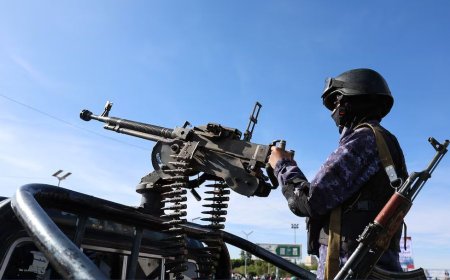
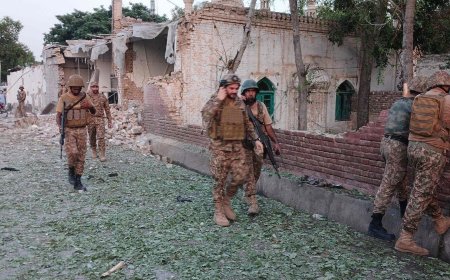
Meanwhile, Islamabad was placed under tight security, with thousands of troops deployed as Pakistan hosted the high-stakes negotiations—marking a notable shift in its diplomatic standing.
As discussions began, the US military said it was preparing operations to secure the Strait of Hormuz. While Washington claimed its warships had entered the waterway and were preparing to clear mines, Iranian state media denied any such movement.
Ahead of the talks, Iranian sources had suggested the US might release frozen assets held abroad, though American officials denied any such agreement.
Tehran’s broader demands reportedly include control over the Strait, war reparations, and a wider regional ceasefire, including in Lebanon. Washington, for its part, is focused on ensuring free navigation through the strait and curbing Iran’s nuclear program.
US ally Israel, which joined earlier strikes on Iran, has continued operations against Hezbollah in Lebanon and maintains that conflict is separate from any US-Iran ceasefire efforts.
What's Your Reaction?