































































Asian stocks and oil prices traded mixed on Tuesday as uncertainty over a possible US-Iran deal kept investors cautious amid ongoing tensions in the Middle East
Asian stocks and oil prices traded mixed on Tuesday as uncertainty over a possible US-Iran deal kept investors cautious amid ongoing tensions in the Middle East


Asian stocks and oil futures were mixed on Tuesday as fresh US strikes on Iran cast doubt over fragile negotiations aimed at reopening the Strait of Hormuz.
Washington and Tehran have been attempting to reach an agreement to end the Middle East conflict and restore access to the key shipping route since a fragile ceasefire took effect on 8 April.
Markets had rallied on Monday, while crude prices slipped below $100 a barrel on optimism that a breakthrough deal was near. However, sentiment weakened after US forces reportedly struck missile sites and vessels allegedly laying mines in southern Iran.
“US forces conducted self-defense strikes in southern Iran today to protect our troops from threats posed by Iranian forces,” US Central Command spokesman Tim Hawkins said in a statement.
Despite ongoing diplomatic efforts, both sides have downplayed the chances of a swift resolution to the conflict, which has pushed up energy prices and intensified global inflation concerns.
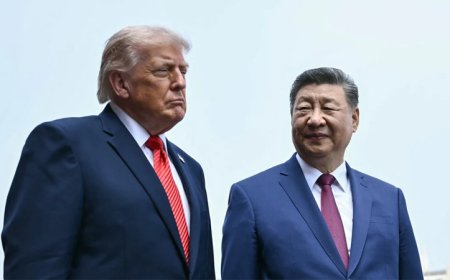
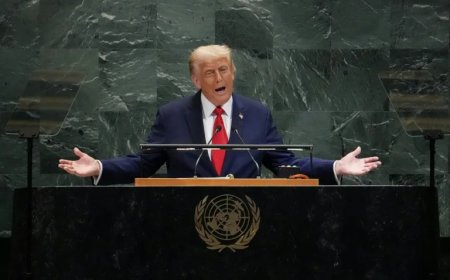
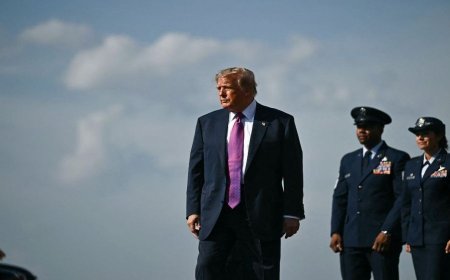
US President Donald Trump gave little indication of progress, saying on Monday that any agreement with Tehran would either be “great and meaningful” or there would be “no deal” at all.
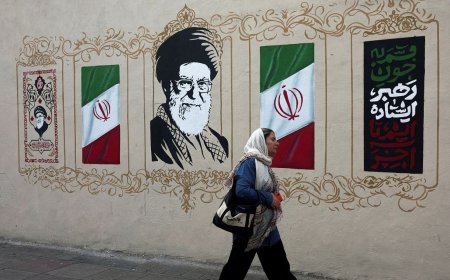
Iranian foreign ministry spokesman Esmaeil Baqaei acknowledged that progress had been made, but said a final deal remained out of reach.
US Secretary of State Marco Rubio said Tuesday that the Strait of Hormuz would reopen “one way or the other.”
Asian markets showed mixed performance in early trading. Tokyo and Shanghai both slipped around 0.5 percent, while Kuala Lumpur, Singapore, Sydney and Manila also traded lower.
Seoul surged more than three percent to a record high above 8,000 points, supported by strong performances from chipmakers, automakers and shipbuilders. Hong Kong, Jakarta, Bangkok, Wellington and Taipei also posted gains.
Oil markets remained volatile amid geopolitical uncertainty. US benchmark West Texas Intermediate fell more than five percent, while Brent crude edged slightly higher.
“The market’s reaction remains almost mechanical at this point,” said Stephen Innes of SPI Asset Management.
“Every incremental diplomatic headline involving Iran gets treated like another liquidity injection directly into risk appetite.”
He added that the negotiations still appeared far from resolution despite market optimism.
Investors are also closely watching upcoming US consumer inflation data and the Federal Reserve’s response, amid concerns that rising energy costs linked to the conflict could delay interest rate cuts.
“Traders have already fully priced in another Federal Reserve rate hike by year’s end, despite the arrival of Kevin Warsh as the new Fed chairman,” Innes said.
Meanwhile, Russia’s ongoing war in Ukraine added to global uncertainty, with Moscow announcing plans for further strikes on Kyiv following a recent major assault.
What's Your Reaction?