












































Zia’s Contributions Continue to Inspire Young Generations
Zia’s Contributions Continue to Inspire Young Generations

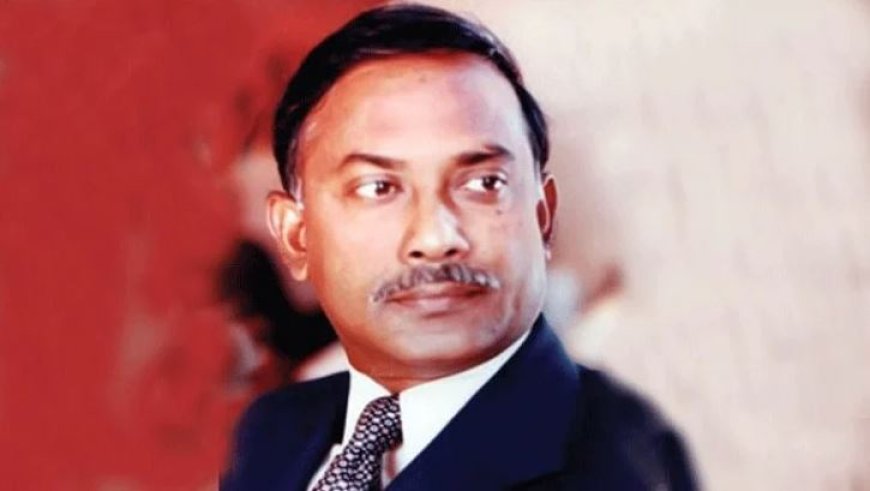
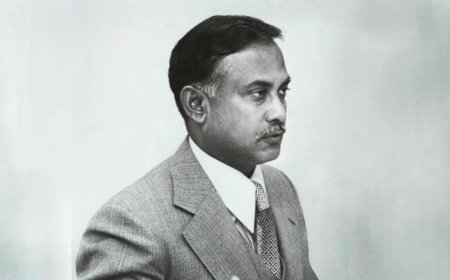
As the historical contributions of former President Ziaur Rahman to Bangladesh’s politics, independence, and national development continue to resonate with younger generations, students from various higher educational institutions across the country have described him as an enduring source of inspiration.
In interviews with Bangladesh Sangbad Sangstha (BSS), students from different universities and colleges portrayed the late president as a courageous patriot, visionary statesman, and transformative leader whose ideals remain relevant to the aspirations of today’s youth.
Al Fisa Hazrat Jisan, a student of Geography and Environmental Science at Jahangirnagar University, said Ziaur Rahman embodied patriotism, courage, and nation-building. “He not only declared independence but also dreamed of rebuilding a war-ravaged Bangladesh into a self-reliant nation,” he said, adding that Zia’s discipline, leadership, and commitment to democracy continue to inspire young people.
Farhan Tanvir, a second-year History student at Government Azizul Haque College, described Ziaur Rahman as a visionary leader who played a pivotal role in the Liberation War and inspired the nation through the declaration of independence. He noted that under Zia’s leadership, Bangladesh witnessed renewed momentum in agriculture, industry, and economic development, while his emphasis on honesty, patriotism, and responsibility remains relevant today.
Md. Minhajul Abedin of Dhaka University’s Marketing Department said Ziaur Rahman instilled confidence and a spirit of nation-building among young people. He added that Zia’s pragmatic political philosophy and leadership qualities offer valuable lessons for a generation seeking responsible and effective leadership.
Majidur Rahman Saikat, an English Department student at Dhaka College, said Ziaur Rahman symbolized courage, leadership, and patriotism. He noted that Zia’s focus on self-reliance, rural development, and increased national production highlighted the importance of youth participation in nation-building and continues to inspire the younger generation.
Md. Saiful Islam from Rajshahi University’s Department of Folklore and Social Development Studies described Ziaur Rahman as a symbol of courage, self-respect, and patriotism. He said the former president’s role during the Liberation War and his efforts to rebuild the country through economic, agricultural, and administrative reforms remain deeply respected.
Md. Sabbir Mondal, a Bangladesh Studies student at Chittagong University, said Ziaur Rahman’s declaration of independence and wartime leadership serve as enduring examples of courage. He also credited Zia with introducing multi-party democracy and fostering free thought, describing his ideals as a guiding force for young people committed to responsible political engagement.
Razibul Islam Shakil of Government Azizul Haque College said Ziaur Rahman remains a memorable figure in Bangladesh’s history for his patriotism, leadership, and vision for a self-reliant nation. According to him, Zia continues to symbolize the spirit of liberation and nationalism among the youth.
Dhaka University student Riaz Uddin highlighted Ziaur Rahman’s role as a sector commander and commander of the Z Force during the Liberation War, noting that his declaration of independence helped unite the nation. He also pointed to Zia’s efforts to revive the economy through agricultural expansion, rural development, and industrial reorganization, as well as his role in restoring multi-party democracy through the establishment of the BNP in 1978.
Mehedi Hasan, a student of Government and Politics at Jahangirnagar University, described Ziaur Rahman as a symbol of independence, democracy, sovereignty, and nationalism. He said Zia’s leadership during times of crisis, commitment to unity, and dedication to public service continue to inspire young Bangladeshis striving to build a modern and prosperous nation.
Md. Shakib Al Hasan, a History student at Dhaka College, said Ziaur Rahman viewed youth as a driving force behind national development. He noted that the former president encouraged political participation, leadership development, self-reliance, and involvement in productive sectors, helping cultivate a strong sense of responsibility among young citizens.
Another Rajshahi University student, Md. Nahid Hossain, said Zia’s 19-point economic programme and canal excavation initiatives promoted the idea of a self-reliant Bangladesh. He credited the former president with steering the country through a challenging period marked by economic, political, and social difficulties.
Md. Rajibul Amin Faisal, a Marine Science student at Chittagong University, said Ziaur Rahman’s declaration of independence on the night of March 25, 1971, inspired young people to join the struggle for liberation. He added that Zia’s vision of a self-reliant Bangladesh and initiatives such as canal excavation and agricultural development continue to serve as examples of nation-building for the current generation.
Collectively, the students said Ziaur Rahman’s legacy of patriotism, leadership, self-reliance, and democratic values continues to resonate with the aspirations of Bangladesh’s youth, who see in his life and work lessons for building a stronger and more prosperous nation.
What's Your Reaction?