
























































Spain Says Migrants Are Returning from Ceuta After 57 Die in Border Crossing Attempt
Italy Announces Suspension of Schengen Border-Free Travel Arrangements with Spain

Spain Says Most Migrants Returning from Ceuta After Massive Border Rush Leaves 57 Dead
Spain said on Friday that it had largely reversed the unprecedented influx of migrants into its North African enclave of Ceuta, with most of the more than 50,000 people who crossed the border by land and sea voluntarily returning to Morocco.
Authorities in Ceuta said 57 bodies had been recovered on the Spanish side of the border, while additional casualties were feared on the Moroccan side. Officials said some migrants drowned, while others were crushed as they attempted to scale the breakwater supporting the border fence.
According to Spain's Interior Ministry, around 50,000 migrants crossed into Ceuta from Thursday morning, with about 48,300 returning by Friday evening. Ceuta regional leader Juan Jesus Vivas estimated that the total number of crossings may have reached 60,000 over two days.
Moroccan security forces used batons and tear gas to disperse crowds attempting to enter Ceuta, while Spanish authorities deployed military vehicles along the border to prevent further crossings.
Reuters reporters witnessed Moroccan riot police using tear gas against migrants gathered near the border fence. Water cannon vehicles were also deployed, while burned-out buses and cars testified to clashes during the unrest.
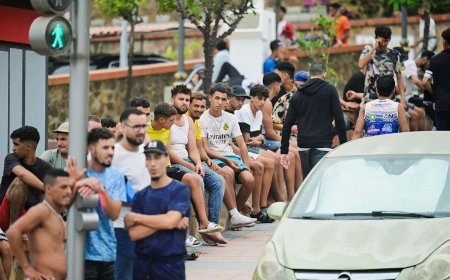
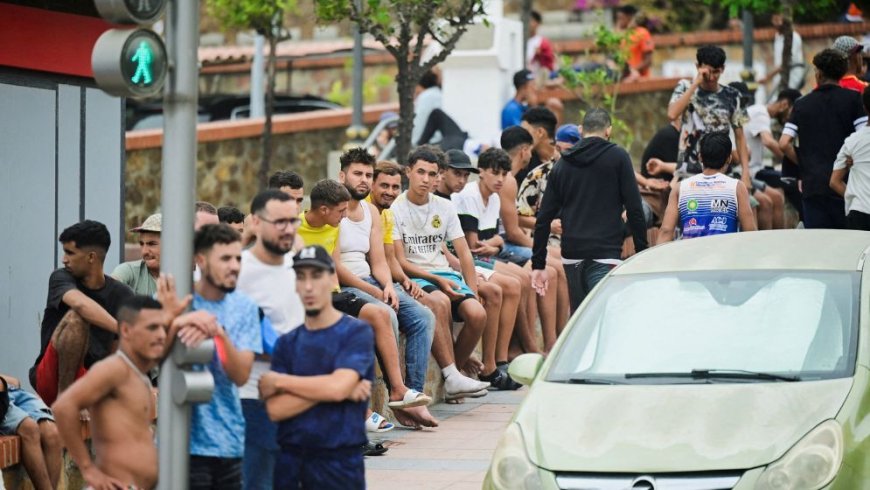
Hundreds of migrants were seen heading back to Morocco through official border posts and openings in the fence, many citing a lack of food, shelter and support inside Ceuta.
"Honestly, I don't even know why I came, and now I'm going back," a young Moroccan man from Tangier told Reuters, saying he had gone without food since the previous day despite carrying money.
Another migrant, Ayman, a 20-year-old hairdresser from Larache, said he swam for five hours to reach Ceuta but found no assistance. "There was no food inside Ceuta and we were kicked out badly by the Spanish army," he said.
Spanish Prime Minister Pedro Sanchez visited Ceuta on Friday, describing the mass crossings as "a violation of Spain's territorial sovereignty." He said Spain was accelerating the repatriation of migrants with Morocco's full cooperation.
Ceuta and Melilla, Spain's autonomous enclaves in North Africa, are the European Union's only land borders with Africa. While both cities regularly experience attempted crossings, officials described the latest influx as unprecedented in scale.
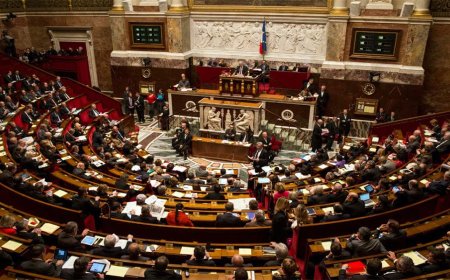
The crisis triggered political tensions across Europe. Italy announced it was temporarily suspending the EU's Schengen border-free travel arrangements with Spain, a move that would affect air and sea travel between the two countries. Madrid condemned the decision, arguing it breached EU treaties.
Several European leaders urged Spain to bring the situation under control, while French Interior Minister Laurent Nunez announced a fivefold increase in police deployments along the Spanish border, alongside enhanced aerial surveillance and rail patrols.
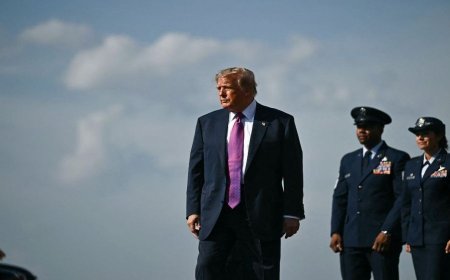
The incident also drew international attention. US President Donald Trump described the crossings as "an invasion" and blamed Spain's migration policies. The US State Department similarly criticised Madrid's approach, while right-wing parties across Europe argued that Spain's recent migrant amnesty had encouraged illegal migration.
Spanish authorities, however, pointed to multiple factors behind the surge, including a recent Supreme Court ruling limiting the summary return of migrants intercepted at sea while attempting to reach Ceuta or Melilla.
On the Moroccan side, thousands of migrants gathered near the border town of Fnideq despite heightened security. Although most attempts to cross were thwarted, some groups continued searching for alternative routes along the coastline as others abandoned their efforts and returned home.
What's Your Reaction?