





































Protests and Clashes Erupt as Anti-Migrant Tensions Rise in South Africa
Protests and Clashes Erupt as Anti-Migrant Tensions Rise in South Africa

South African protesters clashed with foreign nationals on Thursday as tensions over immigration intensified following a court ruling ordering the government to resume processing asylum applications.
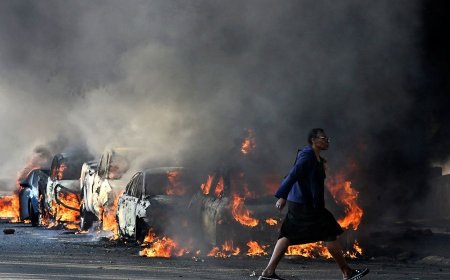
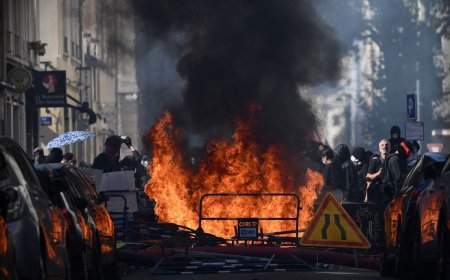
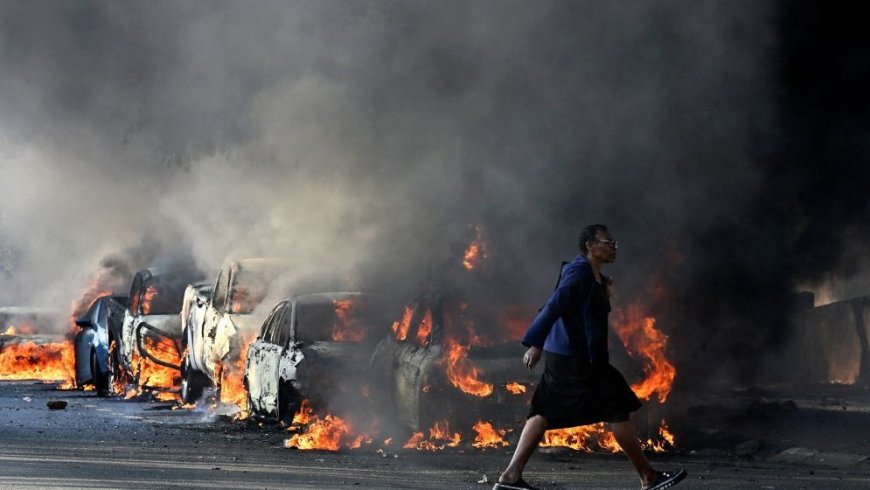
Violence broke out in Soweto, Johannesburg, and the eastern coastal city of Durban, where several vehicles were set ablaze and small shops operated by foreign nationals were looted. The incidents followed renewed demonstrations organised by anti-immigrant movements that had staged protests earlier this year, prompting tens of thousands of foreign nationals to leave the country.
In Durban, allegations that a foreign national assaulted a South African protester triggered violence, resulting in at least 14 vehicles being burned, police said. Three foreign nationals were arrested in connection with the incidents.
Police fired rubber bullets to disperse protesters who allegedly set fire to a foreign-owned business and looted several other shops, according to AFP reporters at the scene. A municipal building was also set ablaze, an official said.
In Soweto, at least 10 vehicles were torched, although police reported no injuries.
Looters also targeted small convenience stores, many of which are operated by migrants and have frequently been affected by xenophobic violence in South Africa.
Court Ruling Fuels Tensions
Police were pursuing those responsible for the violence, Acting National Commissioner Lieutenant General Puleng Dimpane told reporters.
She warned that the right to express grievances and demonstrate did not give anyone permission to engage in criminal activities.
The latest tensions followed a court ruling declaring certain provisions of the government's refugee legislation unconstitutional. The court found that the provisions restricted access to the asylum system on procedural grounds, including for some individuals who had entered South Africa irregularly.
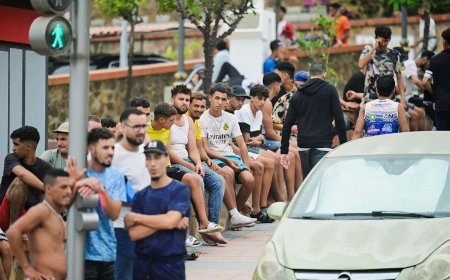
Following the judgment, hundreds of people reportedly gathered at government refugee centres in recent days to seek access to the asylum process. Among them were individuals who may not qualify for asylum because they do not face persecution or other serious dangers in their home countries.
The government issued a warning against misinformation on Wednesday, clarifying that the judgment did not automatically grant refugee status or permanent residency to anyone entering the country.
Authorities also expressed concern about certain unintended consequences of the ruling and reiterated their commitment to migration management measures announced in June.
The measures include strengthening border controls, intensifying action against human smuggling networks and speeding up the deportation of individuals who do not qualify to remain in the country.
Immigration Debate Intensifies Ahead of Elections
South Africa, the continent's wealthiest nation, has long attracted migrants from across Africa seeking employment and better economic opportunities.
However, the country has experienced recurring outbreaks of xenophobic violence for nearly two decades, often fuelled by allegations that foreign nationals compete with local residents for limited jobs, housing and public resources.
Public anger over irregular immigration has intensified ahead of local government elections scheduled for November 4. Unemployment, which remains above 30%, is another major concern shaping the political debate.
Earlier this year, weeks of demonstrations by populist anti-immigrant groups demanding that undocumented migrants leave the country by June 30 prompted tens of thousands to depart. Some were repatriated by their respective governments, placing additional strain on South Africa's relations with other African countries.
South African police reported that at least four foreign nationals were killed during the earlier violence, although some foreign governments cited higher death tolls.
The largest numbers of people leaving the country came from Zimbabwe and Malawi, while thousands of others were from Ghana, Kenya, Lesotho, Mozambique, Nigeria and Uganda.
What's Your Reaction?