

































BGMEA Chief Pledges Vietnam-Level Wages if Workers Receive Similar Facilities
BGMEA Chief Pledges Vietnam-Level Wages if Workers Receive Similar Facilities

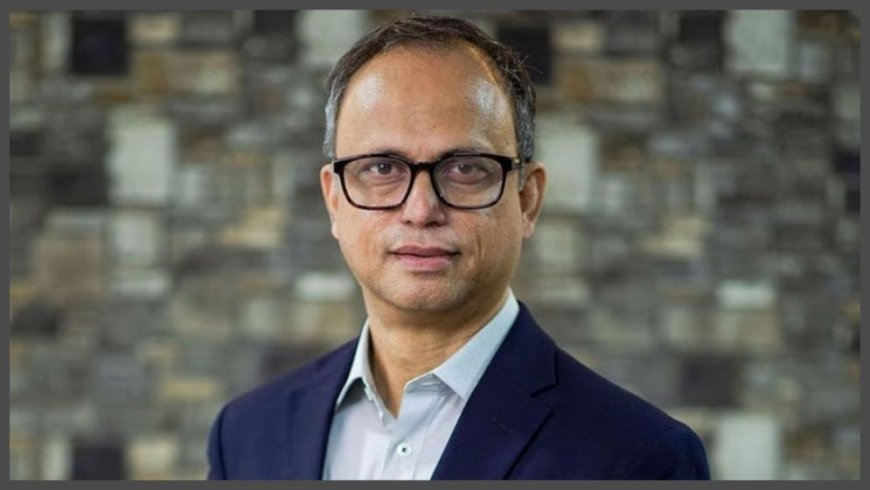
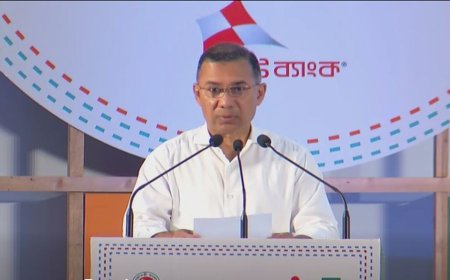
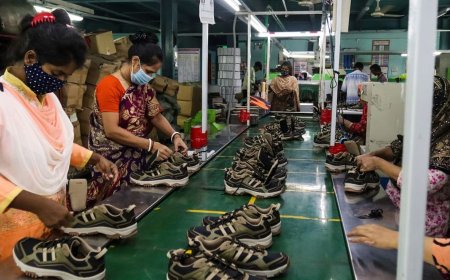
Bangladesh's garment manufacturers are prepared to pay workers wages comparable to those in Vietnam if the country can provide similar infrastructure, logistics and other business facilities, Bangladesh Garment Manufacturers and Exporters Association (BGMEA) President Mahmud Hasan Khan said on Saturday.
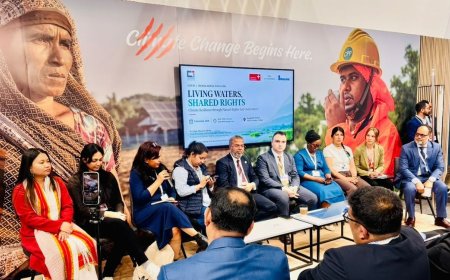
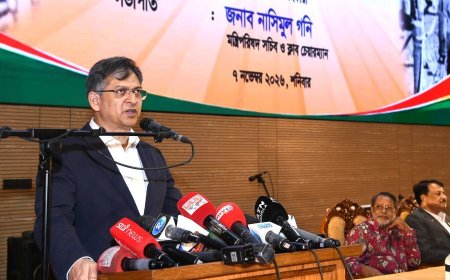
Speaking at a programme titled "Garment Workers' Wages: Fairness and Industry Development", organised by the Power and Participation Research Centre (PPRC) on 22 November, he said Bangladesh's garment industry was operating at a disadvantage compared to its international competitors.
Mahmud pointed out that Bangladesh lagged significantly behind Vietnam in terms of lead times, lacked a deep-sea port, had weaker backward linkage industries and faced inadequate energy support.
He said that while the minimum monthly wage for garment workers was Tk12,500, their average monthly earnings stood at Tk19,600.
The event brought together garment manufacturers, labour representatives and researchers, who highlighted the importance of establishing a permanent, transparent and evidence-based wage-setting mechanism to ensure fair compensation while preserving the industry's competitiveness and long-term sustainability.
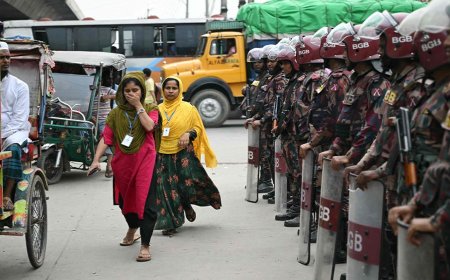
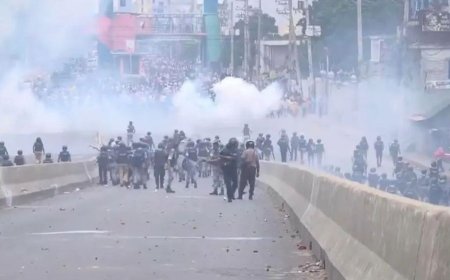
Bangladesh Institute of Labour Studies (BILS) Executive Director Syed Sultan Uddin Ahmed said workers often felt that their demands would only receive attention if they took to the streets.
"Workers assume that unless they take to the streets, their concerns will not come up for discussion. We need to overcome this crisis of trust," he said.
Responding to the remarks, Mahmud questioned whether street protests should remain the primary means of resolving labour disputes and called for a change in this approach.
PPRC Executive Chairman Hossain Zillur Rahman, who chaired the event, said demonstrations could be an understandable way for workers to draw attention to their demands, but stressed that disorder should be avoided.
Syed Sultan also noted that workers in several other countries benefited from different forms of government-backed social protection, whereas Bangladesh's system remained largely dependent on factory owners.
He identified several shortcomings in the country's wage-setting mechanism, including insufficient data, the absence of a national minimum wage, a lack of clarity regarding the minimum wage base and inadequate research by the wage board.
Taslima Akhter, president of Bangladesh Garment Sramik Sanghati, opposed counting overtime payments as part of minimum wages. She argued that minimum wage calculations should be based solely on workers' regular earnings for standard working hours.
Musleh Uddin Ahmed, a member of the minimum wage board, expressed hope that negotiations would result in an effective wage structure for garment workers within this month.
Meanwhile, garment entrepreneur and former BGMEA president Anwar-Ul Alam Chowdhury Parvez, who currently heads the Bangladesh Chamber of Industries (BCI), highlighted the challenges confronting the country's garment sector.
What's Your Reaction?