






























French Protest Groups Call for More Rallies as Macron Faces Tough Decisions
French Protest Groups Call for More Rallies as Macron Faces Tough Decisions

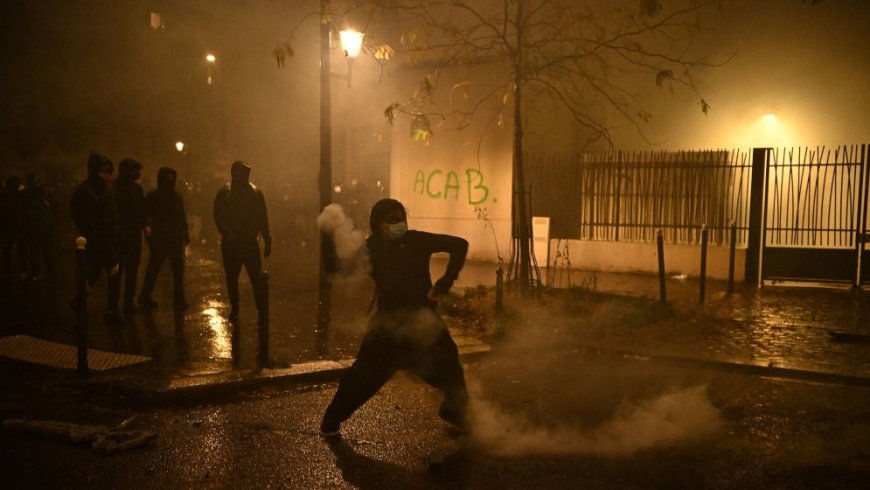
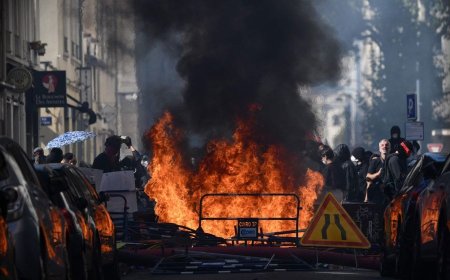
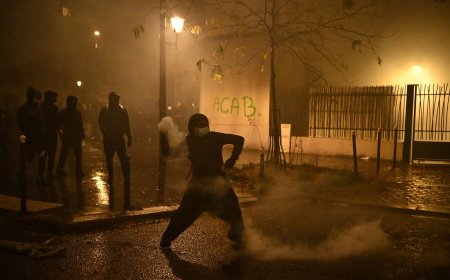
French protest groups and trade unions called for further demonstrations on Sunday, seeking to maintain pressure on the government after a massive security operation helped contain unrest during nationwide rallies on Saturday.
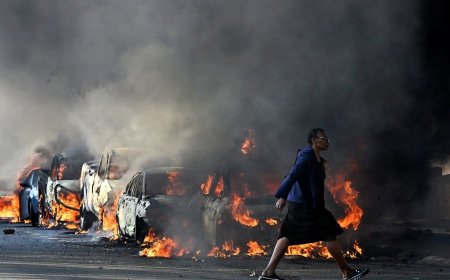
The Interior Ministry said around 410,000 people participated in Saturday’s demonstrations, with authorities deploying 70,000 police officers to prevent a repeat of the looting and vandalism that affected several cities on October 17.
Union leaders called for another round of protests next Saturday and a nationwide strike on November 5, warning that anger over wages, rising living costs and deteriorating public services was spreading well beyond the student movement that initially mobilised last month.
“We are witnessing an accumulation of anger,” Murielle Guilbert, co-leader of the left-wing Solidaires trade union federation, told BFM TV. She said frustrations among students, workers, firefighters and other groups were increasingly converging, urging people to take to the streets again next Saturday.
The SUD Education teaching union confirmed it would participate in the October 31 demonstration, while the larger CGT union said it would decide on its position during the week.
Macron Has Limited Options to Address Protesters’ Demands
The Yellow Vests movement, which emerged in 2018 in opposition to fuel taxes, also called for mass demonstrations next Saturday. The group proposed sit-ins outside town halls and the National Assembly.
“There is anger across the country. It is growing in schools and universities, at roundabouts, in neighbourhoods, on farms and in workplaces,” activist Azelma Sigaux told reporters.
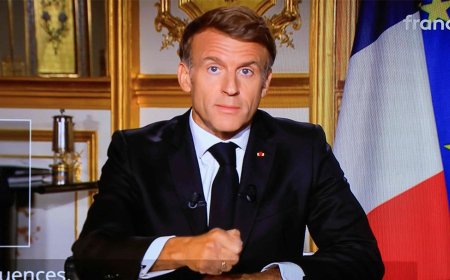
During the Yellow Vests protests in 2019, President Emmanuel Macron was able to allocate funds to ease fuel costs in response to public pressure. Seven years later, however, strained public finances have significantly restricted his ability to meet protesters’ demands.
Macron also faces political constraints, with his presidential mandate due to expire next April and his centrist camp lacking the parliamentary majority needed to pass major legislation.
The government has opened discussions with trade unions and student representatives in an attempt to ease tensions. However, protest leaders have dismissed the measures proposed so far as insufficient.
“We have received no response at all from this government,” Guilbert said.
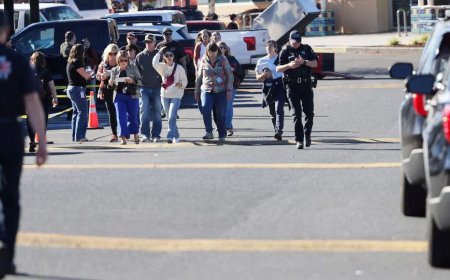
Police unions warned on Sunday that officers lacked the personnel needed to sustain the exceptionally high level of deployment seen on Saturday. The large-scale operation helped limit unrest to sporadic clashes in several cities, including Paris and Marseille.
The Interior Ministry reported that 1,314 people were arrested during Saturday’s demonstrations, roughly half the number recorded the previous week. Around 50 police officers were injured, compared with more than 1,000 in the previous week’s unrest.
The demonstrations have also drawn attention beyond France, amid growing public discontent in other European countries.
In Brussels, Belgian police used tear gas and pepper spray during clashes with anti-government demonstrators on Saturday. Meanwhile, protests in Albania that began peacefully at the end of May have escalated into violent unrest this month, while several Italian cities have witnessed a second consecutive week of clashes.
What's Your Reaction?