

































Bangladesh-India Relations: A New Chapter Begins
Bangladesh-India Relations: A New Chapter Begins

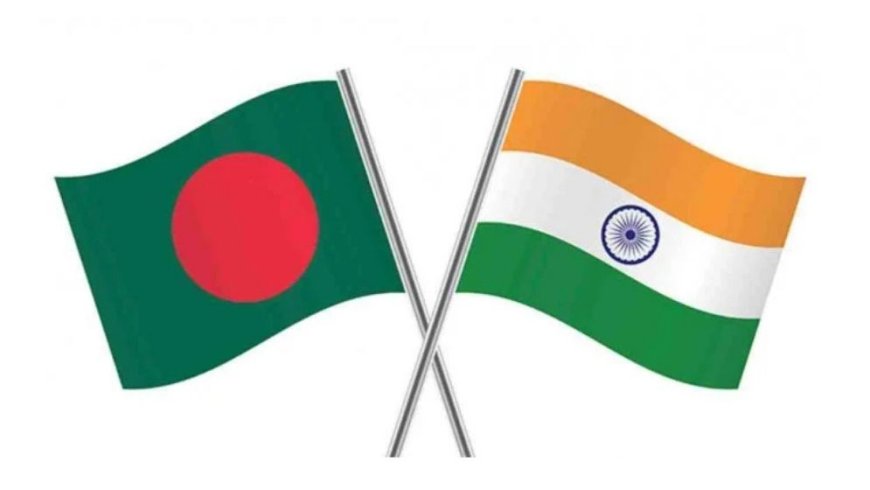
Are Bangladesh and India on the verge of entering a new era in their bilateral relations? The question has gained renewed relevance following a series of diplomatic engagements between the two neighboring countries in recent days. After nearly two years of strained ties, both Dhaka and New Delhi appear to be signaling a willingness to move forward and rebuild the relationship.
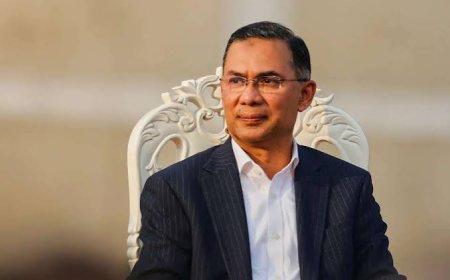
Indian High Commissioner to Bangladesh Dinesh Trivedi recently conveyed Dhaka’s message to Indian Prime Minister Narendra Modi about creating a “conducive environment” for strengthening bilateral relations. After holding meetings with several senior Bangladeshi leaders, including Prime Minister Tarique Rahman, Trivedi met Modi in New Delhi on Tuesday to brief him on the discussions. The meeting carries considerable diplomatic significance and reflects India’s apparent interest in restoring normal relations with Bangladesh.
The High Commissioner is believed to have raised several sensitive issues affecting bilateral ties during his meeting with Modi. Upon returning to Dhaka, he is expected to communicate India’s position and the Indian prime minister’s guidance on the future direction of the relationship.
The Bangladesh issue also received notable attention during Tuesday evening’s regular briefing by India’s Ministry of External Affairs. MEA spokesperson Randhir Jaiswal announced that Bangladesh Prime Minister Tarique Rahman has been invited to visit India for bilateral discussions and to attend the outreach segment of the upcoming BRICS summit as BIMSTEC Chairperson. The announcement came as the Indian High Commissioner was briefing Modi on his recent meetings with Bangladesh’s prime minister, foreign minister and home minister.
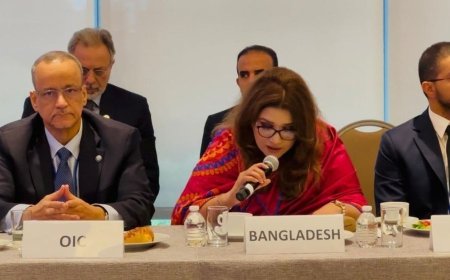
At the same time, Bangladesh’s Information Adviser Dr Zahed Ur Rahman said that the country’s relationship with India needs to be “realigned.” He stressed that while neighbors cannot be changed, friendships can evolve, and therefore Bangladesh’s ties with India should continue on the basis of mutual interests, respect, sovereignty and national dignity.
There appears to be considerable common ground between this position and the Indian High Commissioner’s repeated emphasis on strengthening people-to-people relations. Yet diplomatic ties cannot be rebuilt through cordial statements alone. Sustainable progress requires mutual trust, confidence and tangible action. Several longstanding disputes continue to hold Bangladesh-India relations back, and resolving them through dialogue while protecting the interests of both countries should now be a priority.
First, the Ganges Water Sharing Treaty is perhaps the most pressing issue. Signed in 1996, the treaty governs the distribution of water from the two countries’ largest shared river and is set to expire in December this year. Reaching a new agreement before then is extremely important for Bangladesh. Talks have already begun, and both sides should seek a mutually acceptable and dignified solution.
At the same time, the declining water flow in the Ganges highlights a broader challenge. Reduced navigability and changing river conditions have affected water availability across several shared rivers. The Joint River Commission (JRC) should therefore be revitalised to undertake long-term scientific studies and develop sustainable solutions. Water management cannot be limited to negotiations over a single river; it requires comprehensive cooperation between the two countries.
Second, the long-delayed Teesta water-sharing agreement needs renewed attention. The proposed agreement has remained stalled for years, largely because of objections from West Bengal Chief Minister Mamata Banerjee over domestic water requirements. The draft agreement prepared in 2011 reportedly proposed that India receive 37.5% and Bangladesh 42.5% of Teesta water during the dry season. Bangladesh continues to seek implementation of the agreement.
Any solution to the Teesta issue, however, must be negotiated directly between Bangladesh and India. Initiatives such as a proposed “Teesta Comprehensive Development Project” should not be pursued in a manner that creates further mistrust or tension between the two countries.
Data from the Joint River Commission indicates that Teesta water flows have declined significantly, with upstream infrastructure such as the Ghazoldoba barrage contributing to the problem. Unless the underlying obstacles to the river’s upstream flow are addressed, large-scale development projects inside Bangladesh alone are unlikely to resolve the water crisis.
Third, the wider issue of the 54 shared rivers requires greater attention. Apart from the Padma and Kushiyara, Bangladesh does not have formal water-sharing agreements covering most of its common rivers with India. Focusing exclusively on the Teesta or pursuing a single mega-project could complicate the broader water-management challenge. A comprehensive, science-based and dignified approach to sharing transboundary waters is therefore essential.
Fourth, India needs to clarify its position regarding Bangladeshi nationals who have taken refuge there. During Tuesday’s briefing, the Indian MEA spokesperson said that the issue concerning former prime minister Sheikh Hasina remains under review. Beyond that case, New Delhi should also clearly communicate its position regarding other fugitives from Bangladesh who are currently residing in India and are wanted in connection with various alleged offences. Resolving these issues would help remove a significant source of tension between the two countries.
Fifth, border tensions must be reduced. Border killings, alleged push-ins and other incidents along the frontier continue to damage bilateral relations. Bangladesh and India should address these issues through sustained negotiations and effective coordination. Unilateral actions by either side will only make the process of normalisation more difficult.
Sixth, both countries must prevent their territories from being used for hostile activities against the other. Since August 2024, allegations of anti-state activities and hostile campaigns originating from within each country have become more prominent. Such developments threaten mutual security, sovereignty and stability. Bangladesh and India should ensure that neither country becomes a platform for separatist activities, propaganda or conspiracies against the other.
Seventh, economic and commercial cooperation should be expanded. Bangladesh and India have significant potential to benefit from stronger trade, investment, connectivity and economic cooperation. Following the formation of the Yunus administration, India introduced several restrictions affecting Bangladesh, including measures related to access through certain ports. With an elected democratic government now in place in Bangladesh, New Delhi should consider withdrawing such restrictions and creating a more favorable environment for bilateral commerce.
There is little doubt that India has an interest in restoring normal relations with Bangladesh. New Delhi has appointed an experienced politician as its High Commissioner in Dhaka, and the envoy, who holds ministerial status, has repeatedly stressed the importance of dialogue and improved bilateral ties.
Bangladesh, too, appears ready to move beyond the rigid diplomatic approach of the previous Yunus administration and pursue a “Bangladesh First” foreign policy toward India.
India remains a historic friend of Bangladesh, with deep ties dating back to the Liberation War. The two countries are also economically, geographically and strategically interconnected. Stable and constructive relations therefore serve the interests of both sides.
Ultimately, there is no substitute for a healthy relationship between neighboring countries. If Dhaka and New Delhi can approach their differences with sincerity, mutual respect, dignity and trust, the current diplomatic opening could mark the beginning of a genuinely new chapter in Bangladesh-India relations.
What's Your Reaction?