































Brother Munir: The Ball Is Now in the US Court
Pakistan’s Army Chief Arrived in Tehran to Break the Deadlock, but the US Has Repeatedly Undermined Mediation by Clinging to Unrealistic Demands, Including Iran’s Surrender.

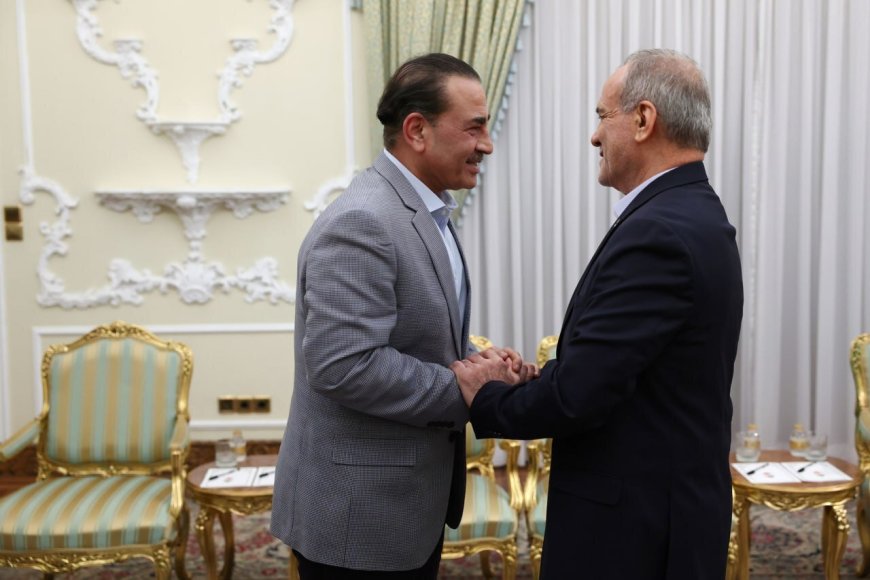
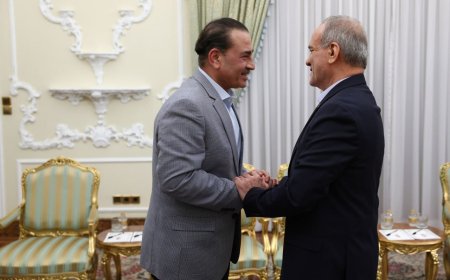
Pakistan’s army chief arrived in Tehran yesterday as part of Islamabad’s continuing diplomatic efforts to break the deadlock between Iran and the United States. He held talks with senior Iranian officials in an attempt to ease tensions and revive negotiations. However, Iran’s experience with previous mediation initiatives has reinforced its belief that Washington has repeatedly undermined diplomatic efforts rather than allowing them to succeed.
Iran has historically placed considerable trust in diplomatic mediators. Yet several initiatives aimed at resolving disputes between Tehran and Washington have failed, largely because of what Iran describes as American bad faith.
Under the Joint Comprehensive Plan of Action (JCPOA), Iran provided four European countries with an opportunity to play a meaningful role in international diplomacy. However, when President Donald Trump withdrew the United States from the nuclear agreement during his first term, those countries failed to fulfil their commitments to Tehran and increasingly aligned themselves with Washington’s policies and measures against Iran.
Iran subsequently engaged with Oman, whose government made sincere efforts to bridge the divide between Tehran and Washington. Nevertheless, the diplomatic process again encountered serious obstacles, with Trump even threatening military action against Oman, according to the account presented here.
Pakistan’s sustained mediation efforts during the ongoing conflict similarly elevated Islamabad’s international standing and culminated in the Islamabad Memorandum of Understanding. Yet, only weeks later, Washington’s actions in the Strait of Hormuz and its alleged violations of the memorandum’s provisions derailed the initiative once again.
Iran was among the first countries to recognise Pakistan’s independence, and the two nations have maintained close relations over the decades. Islamabad also recognises Iran’s strategic importance in countering what it regards as the destabilising ambitions of Israel. Tehran and Islamabad share several interests, and Iran has welcomed Pakistan’s efforts to help resolve the ongoing conflict.
The central question, however, remains whether Washington genuinely respects the role of mediators or is willing to undermine diplomatic initiatives whenever they conflict with its strategic objectives.
Pezeshkian: Iran Has Lost Trust in Washington
During his meeting with Pakistan’s army chief, Iranian President Masoud Pezeshkian highlighted what he described as Washington’s repeated violations of commitments and history of bad faith. He cited military attacks during negotiations and the killing of Iran’s Supreme Leader, scientists and schoolchildren, arguing that such actions had further eroded Tehran’s confidence in the United States.
Pezeshkian maintained that the escalating tensions across the region, including the disruption of shipping through the Strait of Hormuz, stemmed from what he characterised as Washington’s confrontational approach.
He rejected American allegations against Iran, arguing that Tehran had demonstrated its willingness to engage in nuclear negotiations and permit inspections within the framework of international laws and regulations.
The Iranian president stressed that Washington must first demonstrate its commitment to de-escalation by lifting threats and sanctions before meaningful negotiations can resume.
“You cannot increase sanctions and pressure day by day and close routes and roads to our country, and then claim you seek dialogue and negotiation. What kind of dialogue is this?” he asked.
Acknowledging that war benefits neither Iran nor the wider region, Pezeshkian argued that the United States must explain why it initiated the conflict and exposed itself and the international community to further instability.
He reiterated that Tehran remained prepared for dialogue but insisted that Washington must first remove the threats and sanctions that undermine diplomatic engagement.
According to Pezeshkian, the United States had justified its actions by citing concerns over Iran’s nuclear programme, even though Iran’s Supreme Leader had repeatedly opposed nuclear weapons. He warned that military action would not achieve Washington’s objectives and would instead inflict extensive damage on Iran and the wider region.
Pezeshkian also emphasised that the Iranian public no longer trusted American assurances.
“Our nation today does not trust the US and believes that if we negotiate, they will attack us again,” he said.
He accused Washington of using media messaging and threats of further attacks to intimidate the Iranian population, adding that Iran would not surrender to coercion.
Addressing Pakistan’s army chief, the president called on Muslim countries to make clear that such treatment of another Muslim nation was unacceptable. He maintained that Iran had no intention of imposing its will on others but would not accept externally imposed demands.
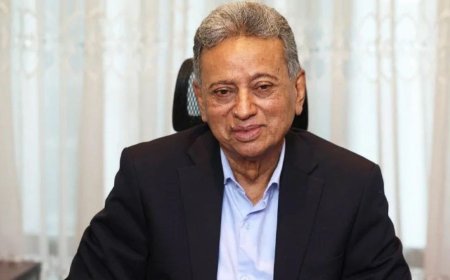
Field Marshal Asim Munir, meanwhile, expressed satisfaction at meeting Pezeshkian and briefed the Iranian president on Pakistan’s diplomatic initiatives to reduce tensions. He voiced concern over the possibility of renewed hostilities and reaffirmed Islamabad’s commitment to resolving disputes through diplomacy.
Munir also expressed regret over the failure to implement the Islamabad Memorandum of Understanding. He stressed that negotiations should not be interpreted as weakness or submission to American demands.
Instead, he argued, diplomacy offered an opportunity to resolve disputes without further war, insecurity or confrontation.
Iran Rules Out Transferring Its Enriched Uranium Abroad
During his visit to Tehran, Munir also met with Mohsen Rezaei, the representative of Iran’s Supreme Leader and secretary of the Supreme National Security Council.
Rezaei reiterated Tehran’s position that its enriched nuclear material would remain within the country, describing it as a valuable national asset intended for domestic use.
“Not even an ounce of enriched nuclear material will leave Iran,” he declared.
Rezaei said Iran’s political leadership and population had reached a broad consensus that negotiations with Washington could not proceed until the United States took concrete steps to rebuild confidence.
He emphasised that the process must begin with Washington meeting Iran’s stated conditions rather than demanding concessions from Tehran without reciprocal action.
The Iranian official also highlighted the longstanding brotherly relations between Iran and Pakistan.
Munir, for his part, announced that the Iran-Pakistan border had reopened on Tuesday, describing the resolution of border-related difficulties as an important development in bilateral relations.
He also praised the Iranian armed forces for their resistance during the 40-day war and underscored the importance of regional cooperation without the involvement of outside powers.
Ghalibaf: American Threats Cannot Change Iran’s Decisions
Munir subsequently met Mohammad Bagher Ghalibaf, speaker of Iran’s parliament.
Ghalibaf expressed appreciation for the support extended by Pakistan’s government and people during the conflict, emphasising the close relationship between the two countries.
Munir again confirmed the reopening of the Iran-Pakistan border, describing the earlier difficulties as temporary and technical in nature.
Ghalibaf also addressed Iran’s deep distrust of Washington, particularly following the Trump administration’s alleged failure to honour the Islamabad memorandum.
He argued that the United States could regain Iran’s confidence only by implementing the seven conditions Tehran had presented in New York.
Ghalibaf maintained that Iran was not seeking war but remained fully prepared to defend its territory, sovereignty and national dignity.
He warned that military threats and pressure would not alter the Islamic Republic’s strategic decisions. Instead, he argued, Washington must find a way to extricate itself from the conflict.
A Diplomatic Deadlock That Will Be Difficult to Resolve
Munir’s visit comes as negotiations between Iran and the United States remain deadlocked. Tehran’s seven-day proposal to reopen the Strait of Hormuz has also failed to produce a breakthrough.
One of the principal obstacles is the fundamental disagreement between the two sides over the balance of power, the terms of negotiations and the outcome each expects from the conflict.
Washington, facing the approaching midterm elections and unfavourable polling for the Republican Party, appears determined to pressure Iran into accepting its demands. Tehran, meanwhile, has tightened its control over the Strait of Hormuz and taken action against vessels attempting to pass through without authorisation.
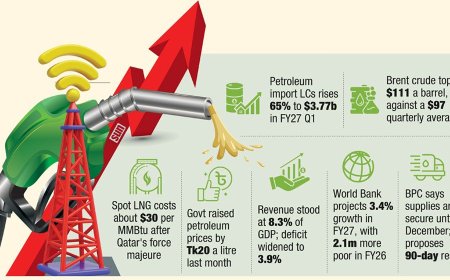
These developments have intensified pressure on Washington, while oil prices have climbed above $110 a barrel.
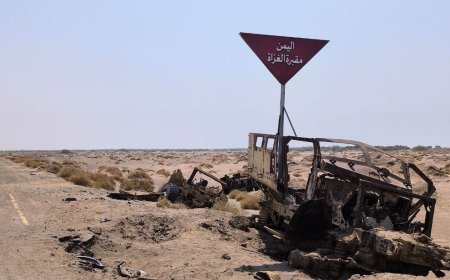
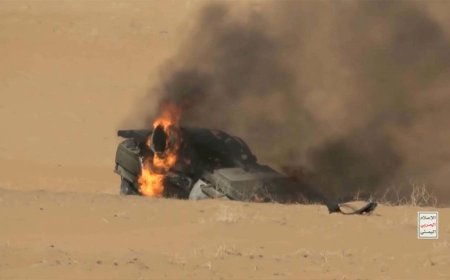
The situation has been further complicated by reports that two tankers carrying a combined four million barrels of crude oil struck mines over the weekend. One vessel reportedly caught fire, while the other was forced to stop.
An agreement involving diesel supplies from Russia, reached with President Vladimir Putin, also faced substantial criticism within the United States but failed to deliver meaningful relief at the pump or calm frustrated American consumers.
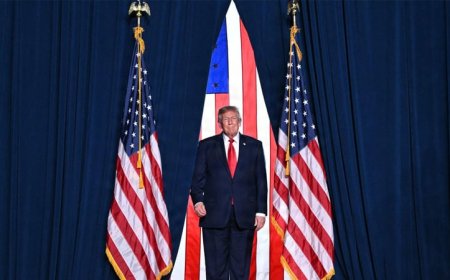
Trump’s public statements about the midterm elections and their relationship with the conflict have frequently shifted. At times, he has attempted to blame rising fuel prices on the war in Ukraine and the policies of former president Joe Biden. On other occasions, he has downplayed the importance of the elections to his approach towards Iran.
His campaign activities, however, suggest that the outcome remains politically significant. From promising $5,000 payments to American adults to appearing at campaign rallies across several states, Trump has continued to invest considerable effort in influencing the electoral environment.
The president has also suggested that he would avoid initiating another confrontation with Iran before the elections. Nevertheless, developments involving American and Israeli officials have raised questions about whether Washington and Tel Aviv are preparing for further escalation.
A reported secret visit by US Secretary of War Pete Hegseth to Israel, followed by consultations with Prime Minister Benjamin Netanyahu involving officials from the United Arab Emirates, has added to regional uncertainty.
These developments have fuelled concerns that military calculations could once again take precedence over diplomatic initiatives.
Iran Says Its Armed Forces Are Ready for Another Conflict
Senior Iranian military officials have repeatedly warned that the country remains prepared for renewed hostilities.
In a recent interview with the Tehran Times, Sardar Hossein Mohebbi did not rule out the possibility of another American attack designed to secure a political or military advantage ahead of the US elections.
He argued that such an operation would not produce the desired results for Washington. Even a limited attack, he warned, could trigger a severe Iranian response and create a major global energy crisis.
The spokesperson for Iran’s Islamic Revolutionary Guard Corps has also identified undersea data cables in the Persian Gulf as potential targets in a future conflict. Rezaei had previously raised concerns about similar infrastructure.
Meanwhile, Major General Abdollahi, chief of the general staff of Iran’s armed forces, said the country needed to prepare for adversaries equipped with advanced military technology by employing alternative tactics and asymmetric capabilities.
He warned that Iran could use relatively inexpensive but effective systems to counter sophisticated and costly enemy equipment.
According to Abdollahi, any renewed military miscalculation by Iran’s adversaries could result in serious consequences, making further confrontation expensive and difficult to sustain.
The broader strategic picture suggests that Trump may be seeking a temporary political or military success to strengthen his position before the midterm elections. However, the election results alone are unlikely to fundamentally reshape Washington’s approach towards Tehran.
Trump has openly supported Netanyahu ahead of Israeli elections, while the Israeli prime minister has repeatedly articulated objectives that Tehran views as threatening to its national security.
Netanyahu reportedly spoke with Trump on Monday and, according to his own account, emphasised the importance of achieving those objectives.
For Tehran, such developments reinforce the belief that Washington’s diplomatic initiatives cannot be separated from its wider strategic alignment with Israel. This perception further complicates mediation efforts and undermines the prospects of a sustainable agreement.
Trump Is Seeking Leverage, Not Necessarily a Lasting Agreement
Unofficial regional sources have suggested that Pakistan and Qatar have prepared a proposal incorporating elements of both sides’ demands in an effort to secure an agreement between Tehran and Washington.
However, from Iran’s perspective, there is little evidence that Trump is prepared to abandon his strategy of coercion and pursue a lasting settlement on mutually acceptable terms.
Tehran appears to believe that Washington is primarily concerned with navigating the political challenges surrounding the midterm elections rather than ending a costly conflict whose stated objectives have repeatedly shifted.
Iran has expressed confidence in Islamabad’s sincerity and welcomed Pakistan’s continued attempts to reduce tensions. The principal obstacle, in Tehran’s view, is not Pakistan’s mediation but Washington’s unwillingness to abandon its demand for Iranian capitulation.
The central issue, therefore, is not whether Pakistan can bring the two sides to the negotiating table. It is whether the United States is prepared to accept a diplomatic process based on reciprocal commitments rather than unilateral demands.
As long as Washington continues to pursue what Tehran sees as the unrealistic objective of forcing Iran to surrender, whether through negotiations, economic pressure or military action, a durable resolution will remain elusive.
The ball, in other words, is in Washington’s court.
The United States must decide whether it genuinely wants a negotiated settlement or intends to continue using diplomacy as another instrument of pressure.
Pakistan’s mediation efforts may create an opening, but they cannot succeed without a corresponding shift in American policy.
Meanwhile, Pakistan’s Foreign Minister Mohammad Ishaq Dar reiterated Islamabad’s commitment to mediation while attending a Shanghai Cooperation Organisation meeting in Tajikistan.
He said Pakistan would continue working to ease tensions between Tehran and Washington, emphasising that dialogue and diplomacy remained the most effective means of resolving regional disputes.
“Pakistan will continue to support dialogue and the peaceful settlement of disputes to achieve lasting peace and stability,” Dar said.
What's Your Reaction?