











































Houthi Attacks Threaten Saudi Arabia’s Economic Ambitions
Houthi Attacks Threaten Saudi Arabia’s Economic Ambitions

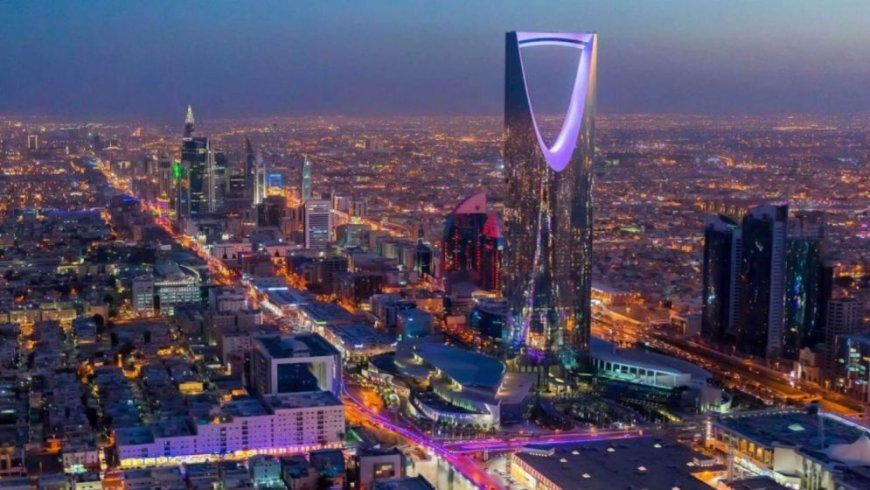
Yemen’s Houthi attacks on Saudi Arabia have dealt a major blow to the kingdom’s ambitious economic transformation agenda, disrupting air travel, paralysing parts of the capital and raising fresh concerns among foreign investors. With airports shut and major events cancelled, Riyadh’s efforts to establish itself as a global hub for tourism, business and international events face growing uncertainty.
Nearly a decade ago, Crown Prince Mohammed bin Salman launched Vision 2030, an ambitious initiative aimed at reducing Saudi Arabia’s dependence on oil and transforming its economy into a diversified centre for tourism, investment and multinational businesses. However, the programme is now facing mounting challenges following Iranian attacks on US allies in the Gulf and an unprecedented wave of Houthi strikes, particularly against critical energy infrastructure and airports.
“I can't think of another time when the challenge facing MBS was more,” said H.A. Hellyer, an analyst at the Royal United Services Institute (RUSI).
“He's dealing with the Iranians on one side of the country which is very difficult and problematic and then he's dealing with the Houthis who aligned with the Iranians on the other.”
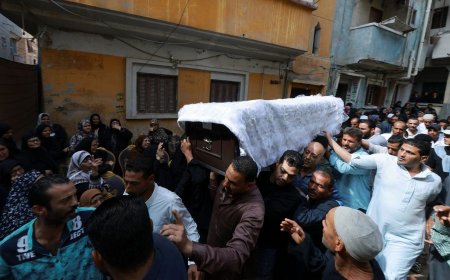
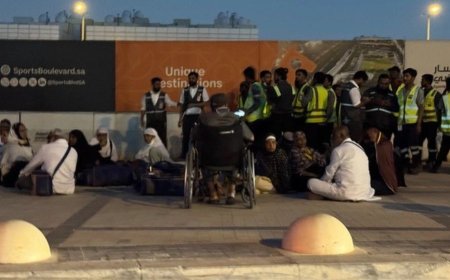
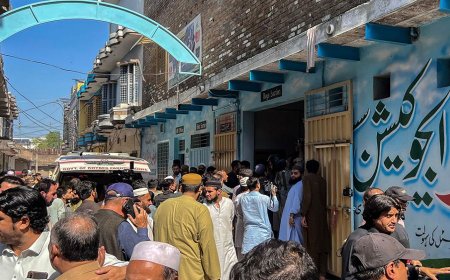
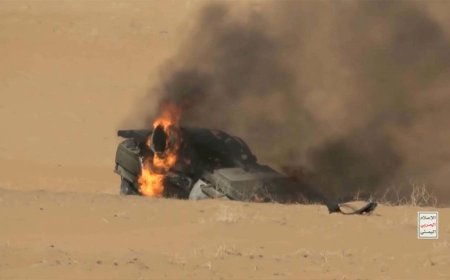
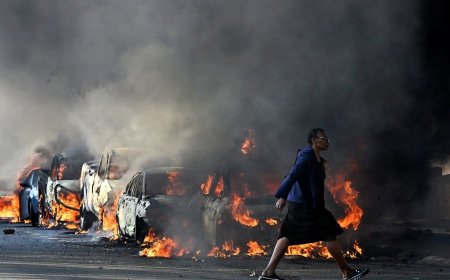
On October 10, a Houthi attack on Riyadh’s international airport reportedly killed 13 people and injured more than 300, marking the kingdom’s deadliest attack in more than a decade. The airport has remained closed since the incident.
Growing fears of Saudi Arabia becoming a conflict zone
A consultant to the Saudi government, speaking to AFP on condition of anonymity, warned that the biggest long-term threat could be a shift in how international businesses perceive the kingdom.
“The deeper risk there is that, you know, boards start pricing Saudi as part of an active conflict zone,” she said.
“If that perception settles into risk models, insurance premiums, it will take many years to unwind,” she added.
The security crisis has already forced the cancellation of several major events, including the Future Investment Initiative (FII), widely known as “Davos in the Desert”. The gathering is a key platform for attracting international investors and promoting Saudi Arabia’s economic diversification strategy.
Uncertainty surrounding the kingdom’s security has also intensified pressure on Vision 2030, with several ambitious megaprojects, including the futuristic city of Neom, already scaled back.
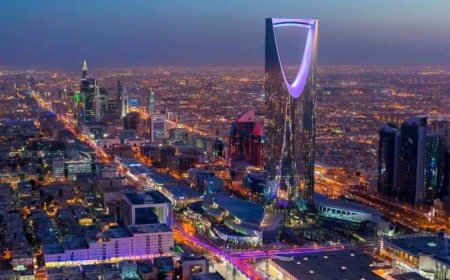
In Riyadh, the management of the iconic Kingdom Centre has instructed office tenants, including the International Monetary Fund (IMF), to work remotely until further notice.
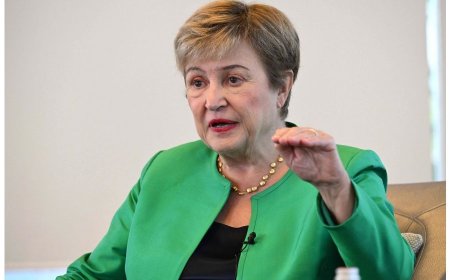
The economic outlook has deteriorated as well. According to the IMF’s latest projections, Saudi Arabia’s economy is expected to contract by 3.3 per cent, a sharp reversal from the 1.7 per cent growth forecast issued in July.
Questions over US security guarantees
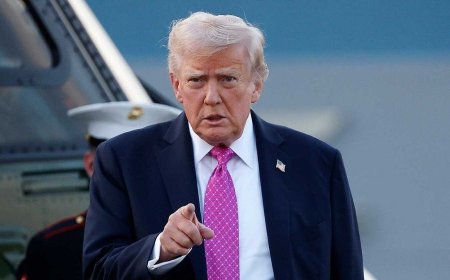
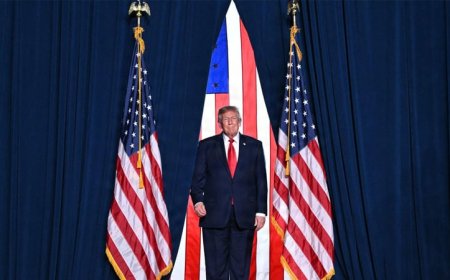
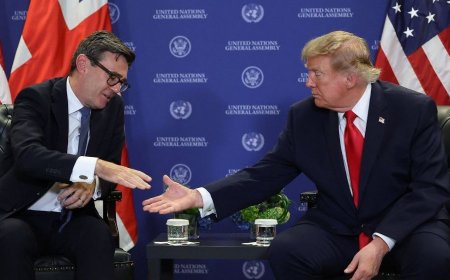
Saudi Arabia is also confronting growing uncertainty over its long-standing reliance on American security support. US President Donald Trump has appeared reluctant to commit to military backing in Yemen as his administration prepares for the midterm elections.
“Saudi Arabia finds itself in a delicate situation in the face of Houthi attacks, as well as US hesitation,” said Laurent Bonnefoy, a researcher at Ceri/Sciences Po in Paris.
“Trump for the time being seems to be refusing to commit to offering the needed military backing,” he added.
Riyadh has received assistance from several international partners, including France, Britain, Turkey and Pakistan, in addressing the Houthi threat. However, these countries remain unwilling to move beyond defensive support or deploy ground troops in Yemen, according to Torbjorn Soltvedt, a Middle East analyst at Verisk Maplecroft.
The Houthis, meanwhile, continue to rely on an extensive arsenal of missiles and drones developed over several years with Iranian support.
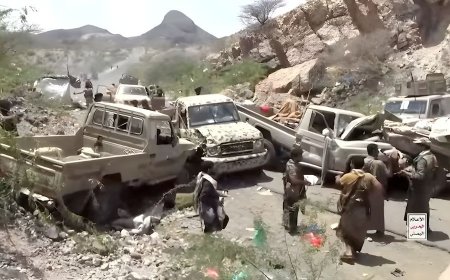
Following an uneasy four-year truce, hostilities resumed in July after an airport in Sanaa was struck in response to an Iranian aircraft entering the country in defiance of Saudi control. The Houthis blamed Riyadh for the attack.
The Yemeni group possesses a significant stockpile of long-range missiles and drones and has also taken control of the Bab al-Mandab Strait, a strategically important maritime passage connecting the Red Sea with the Gulf of Aden and the route towards the Suez Canal.
Riyadh faces mounting investor concerns
Saudi Arabia had already begun shifting away from an assertive regional strategy towards economic development after encountering a prolonged stalemate in Yemen, Bonnefoy said.
Despite the latest setbacks, Ali Shihabi, a Saudi analyst with close ties to the government, expressed confidence in the kingdom’s ability to withstand the crisis.
“The Kingdom has weathered each crisis and will weather this one. It is resilient, has staying power and can draw on global supply chains and an extensive network of alliances,” he said.
“The Houthis, ultimately, have only Iran, and Iran itself is under severe strain.”
Nevertheless, Soltvedt argued that geopolitical instability has been a persistent obstacle to Riyadh’s efforts to attract foreign capital, even before the latest escalation.
“Allaying investor concerns over geopolitical risk has been a longstanding challenge for Riyadh, from the attacks on the heart of Saudi Arabia's energy sector just before the Aramco IPO in 2019, to the outbreak of regional conflict this year,” he said.
“With no solution to the conflict in sight, the drone and missile threat from multiple directions and actors will continue to weigh on the minds of investors.”
As Saudi Arabia attempts to reshape its economy and reduce its dependence on oil revenues, the escalating security crisis threatens to undermine investor confidence, disrupt major development initiatives and complicate Crown Prince Mohammed bin Salman’s long-term economic ambitions.
What's Your Reaction?