









































Farmer Card Budget Set to Nearly Double to Tk1,355 Crore
Farmer Card Budget Set to Nearly Double to Tk1,355 Crore

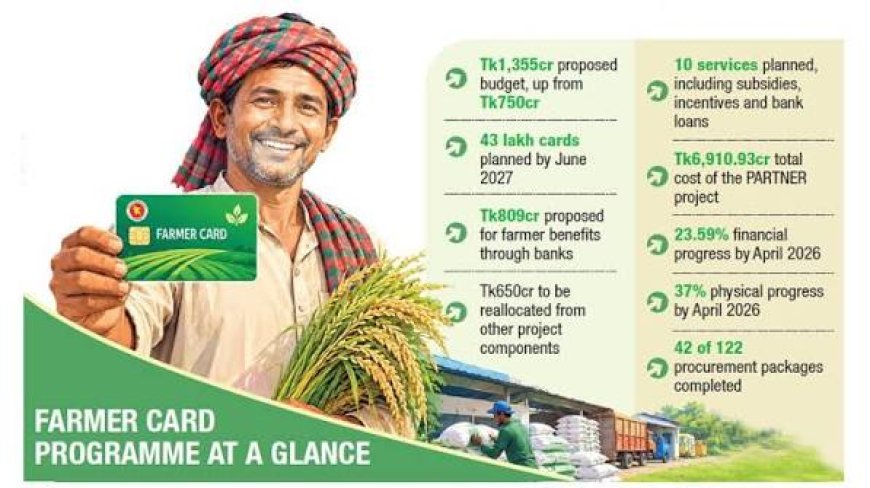
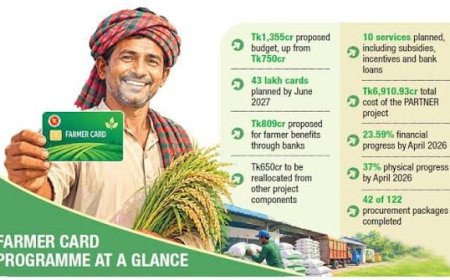
The government has proposed nearly doubling the budget for its planned Farmer Card programme to Tk1,355 crore from the initial allocation of Tk750 crore, aiming to bring around 2.4 crore farmers under a digital system providing agricultural subsidies, incentives and access to bank loans.
The Ministry of Agriculture has submitted a revised allocation proposal to the Planning Commission for approval under the Programme on Agricultural and Rural Transformation for Nutrition, Entrepreneurship and Resilience in Bangladesh (PARTNER), a senior official told the Daily Sun.
The proposed increase comes amid concerns over slow implementation of the broader project. An assessment by the Implementation Monitoring and Evaluation Division (IMED) found that work on the farmer smart card and agricultural machinery components had yet to begin at the time of its review.
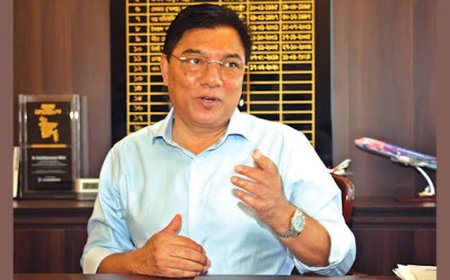
Abul Kalam Azad, former programme coordinator of the Department of Agricultural Extension (DAE) component of PARTNER, said the original allocation of Tk750 crore was inadequate, as the estimated cost of implementing the programme had increased to around Tk1,400 crore.
“We have revised the allocation to Tk1,355 crore and sent the proposal for approval,” he said.
According to Azad, the additional funding will be arranged by reallocating approximately Tk650 crore from less essential or unnecessary components of the project.
He clarified that the revision would not increase the overall project cost, as funds would simply be transferred between components.
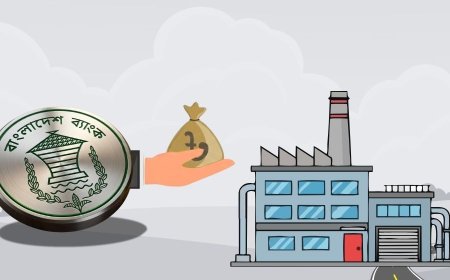
Of the proposed Tk1,355 crore allocation, around Tk809 crore would be channelled through banks to provide benefits to farmers. The remaining amount would cover registration, data collection, software development and other implementation expenses.
2.4 Crore Farmers to Be Covered
The government plans to distribute Farmer Cards to approximately 2.4 crore farmers, with around 43 lakh expected to receive their cards by June next year. The remaining farmers are expected to be covered by 2027, Azad said.
The cards will provide farmers with a digital identity and a centralised platform through which they can access government assistance. Subsidies and incentives are expected to be the programme's initial services, while agricultural loans will also be available, subject to individual banks' lending policies.
Azad said subsidies and incentives would not require repayment, whereas loans would be governed by the respective banks' terms and conditions.
The initiative is expected to help establish a centralised database of farmers, improve the targeting of government assistance and make benefit distribution more efficient.
However, the revised allocation is still awaiting approval, and card distribution had not begun at the time covered by the IMED assessment.
Slow Project Implementation Raises Concerns
The PARTNER project, scheduled to run from July 2023 to June 2028, has a total budget of Tk6,910.93 crore, financed by the Bangladesh government, the World Bank and the International Fund for Agricultural Development (IFAD).
The project is being implemented through seven agencies, with the DAE component receiving Tk3,071.44 crore.
According to the IMED's intensive monitoring report, 34 months, or 56.67% of the project's 60-month implementation period, had elapsed by April 2026. However, financial progress stood at just 23.59%, while physical progress reached 37%.
Implementation of capital expenditure components was particularly slow, with progress at 9.21%, compared with 28.04% for revenue expenditure.
Of the 122 procurement packages under the project, only 42, or 34.43%, had been completed.
The IMED recommended expediting necessary approvals, launching the farmer smart card and agricultural machinery components, accelerating procurement, holding regular monitoring meetings and resolving outstanding audit objections.
Azad said the project had so far concentrated on activities such as farmer training, field schools and demonstrations while the card programme awaited approval of the revised allocation.
Around four lakh farmers have received training, primarily on Good Agricultural Practices and safe food production, he added.
The project also aims to encourage crop diversification, climate-smart agriculture and the adoption of improved farming technologies. According to the IMED report, coverage of non-rice crops in surveyed areas increased by 56%, equivalent to 1,11,670 hectares.
Economists Call for Direct Financial Assistance
Agricultural economist Dr Jahangir Alam Khan said the Farmer Card initiative could improve the delivery of government assistance if an accurate database were established and benefits reached the farmers who genuinely qualified.
However, he cautioned that the card alone would not ease farmers' financial difficulties, particularly as production costs have increased due to higher fuel and fertiliser prices.
He stressed the need for direct financial assistance to help farmers manage these rising expenses.
Khan also called for regular cash support and stronger government procurement of agricultural produce, including potatoes and onions, to protect farmers from steep price declines during harvest seasons and ensure fairer returns.
Project Targets Wider Agricultural Transformation
Beyond the Farmer Card programme, PARTNER aims to increase agricultural productivity, promote safer food production and strengthen farmers' ability to withstand climate-related challenges.
Azad said the project was promoting improved rice varieties capable of tolerating floods, drought and salinity, alongside varieties with higher protein and zinc content.
The initiative also plans to expand Good Agricultural Practices across approximately three lakh hectares.
The IMED assessment found that 67.99% of surveyed farmers rated their training as very good, while 75.53% reported fully applying the knowledge they had gained.
The proposed budget revision is expected to help advance the Farmer Card programme, although its implementation will depend on approval of the revised allocation and the project's ability to address existing delays.
What's Your Reaction?