





































IMF Chief Urges Urgent Fiscal Reforms to Address Growing Imbalances
IMF Chief Urges Urgent Fiscal Reforms to Address Growing Imbalances
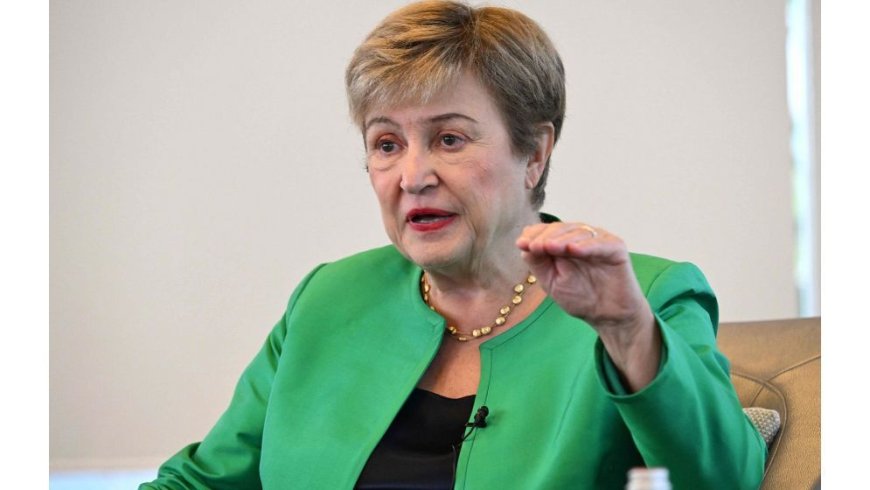
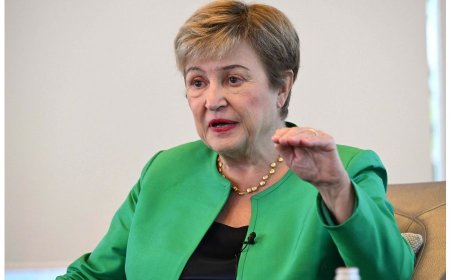
The head of the International Monetary Fund (IMF) on Wednesday urged countries to undertake “urgent repairs” to restore fiscal balance, as rising bond yields and mounting debt put increasing pressure on governments to strengthen their public finances.
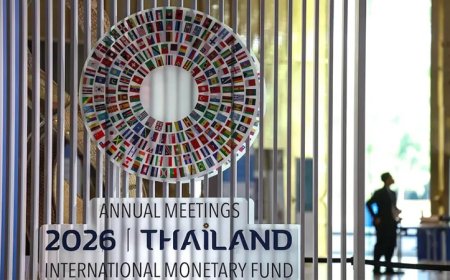
“What is our loudest call to policymakers right now? Make urgent repairs to the fiscal house before the cracks widen,” Managing Director Kristalina Georgieva said at the IMF and World Bank Annual Meetings in Bangkok.
She called on governments to increase revenue, streamline expenditure and improve public financial management to address growing fiscal challenges.
Her remarks came as officials and economic experts gathered in the Thai capital to discuss the challenges facing the global economy, with higher energy prices driven by the US war with Iran adding to economic pressures.
In its closely watched World Economic Outlook, released on Tuesday, the IMF raised its forecast for global economic growth in 2026 by 0.1 percentage points to 3.1%. However, it warned that although increased investment in artificial intelligence is generating fresh economic activity, poorer countries are struggling to benefit as they grapple with surging energy costs.
Speaking at a news conference on Wednesday, Georgieva said the global economy had remained resilient despite repeated shocks and persistent uncertainty, but warned that its ability to withstand further disruptions was being stretched.
“The global economy remains resilient in the face of very frequent repetitive shocks and in the face of uncertainty,” she said, adding that “this resilience is reaching its limits.”
Georgieva also raised concerns about widening global economic imbalances, warning that the IMF was sounding the alarm over their growing scale.
“China needs to spend more, the US has to save more and Europe has to invest more,” she said, outlining the different measures major economies should take to support a more balanced global economy.
What's Your Reaction?