









































Saudi Arabia warns Houthis of repercussions over repeated attacks
Saudi Arabia warns Houthis of repercussions over repeated attacks

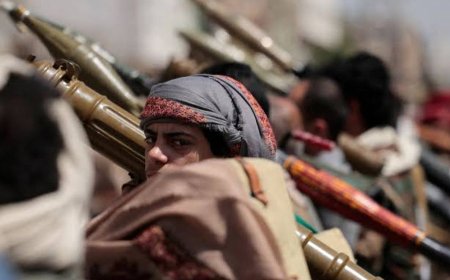
Saudi Arabia’s Council of Ministers has warned Yemen’s Houthi militia that it will be held fully accountable for the consequences of its crimes and repeated attacks targeting the Kingdom’s airports, the holy cities of Makkah and Madinah, visitors to the Two Holy Mosques, and critical civilian and economic infrastructure.
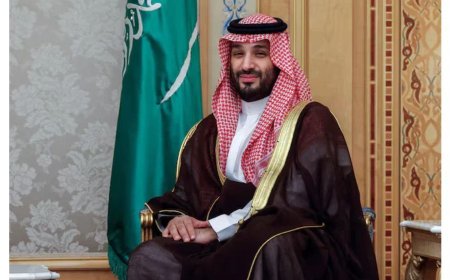
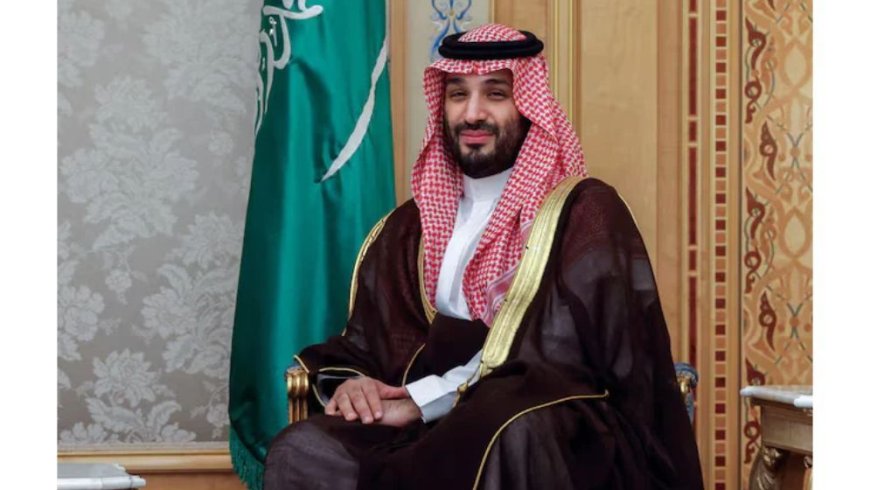
Crown Prince and Prime Minister Mohammed bin Salman chaired the Cabinet meeting in Riyadh on Tuesday. At the beginning of the session, the Cabinet praised the Armed Forces for their decisive role in defending the country, protecting its achievements and resources, and deterring aggression and threats to Saudi Arabia’s sovereignty and the safety of its citizens and residents.
The Cabinet said these efforts help preserve the Kingdom’s position as a pillar of regional security and stability while supporting its continued development and prosperity and reinforcing its commitment to peace at the regional and international levels.
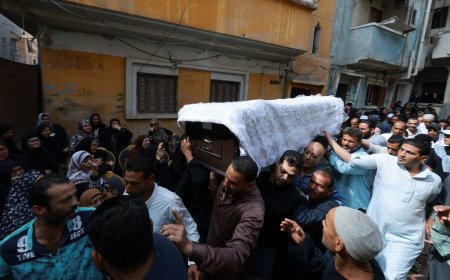
In a statement carried by the Saudi Press Agency following the meeting, Minister of Media Salman Al-Dossary said the Cabinet extended its deepest condolences to the families of those killed in the Houthi attacks and wished the injured a speedy recovery.
The Cabinet also commended military operations conducted by the Coalition to Restore Legitimacy in Yemen to counter threats posed by the Houthi militia to the Yemeni people, international peace and security, global trade, and maritime supply chains.
Reaffirming Riyadh’s firm position, the Cabinet said Saudi Arabia would not tolerate threats to its national security or freedom of navigation in the Red Sea and the Bab al-Mandab Strait. It also expressed appreciation for friendly countries and international organisations that condemned the actions of the Houthi militia.
The Cabinet praised the successful restoration of crude oil flows through the East-West pipeline by Saudi personnel, saying the swift recovery demonstrated the Kingdom’s energy sector’s operational flexibility, emergency response capabilities, and technical expertise. These capabilities, it said, help ensure reliable and uninterrupted supplies to global markets while supporting the world economy.
Al-Dossary said the Cabinet reviewed the outcomes of recent talks and meetings between Saudi Arabia and friendly countries, which focused on strengthening bilateral and multilateral cooperation, improving coordination, and addressing common challenges across various sectors.
The Cabinet also reviewed the results of the fifth meeting of the Security Coordination Committee under the Saudi-Bahraini Coordination Council. It stressed the importance of continuing joint efforts to implement agreed initiatives in the shared interests of both countries, building on their longstanding fraternal ties.
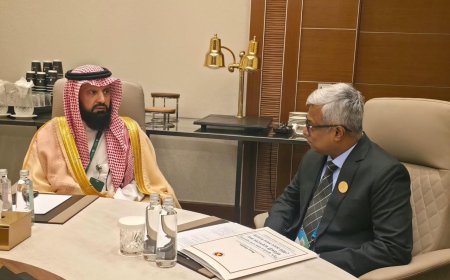
The Council welcomed participants attending the 25th WPC Energy Congress and related Arab and international ministerial meetings taking place in Riyadh this week. It said hosting these events highlights Saudi Arabia’s role as an international hub for energy dialogue, innovation, partnerships, and cooperation.
On domestic affairs, the Cabinet praised public participation in the 2026 national blood donation campaign launched by the Crown Prince. The initiative aims to promote humanitarian values and ensure self-sufficiency in blood supplies and components for patients across the Kingdom.
The Cabinet approved Saudi Arabia’s accession to the humanitarian funds of the Organisation of Islamic Cooperation. It also authorised the Minister of Culture, or his deputy, to discuss and sign a draft memorandum of understanding on cultural cooperation between the Saudi Ministry of Culture and Syria’s Ministry of Culture.
Additionally, the Minister of Environment, Water and Agriculture, who chairs the board of the National Center for Meteorology, or his deputy, was authorised to negotiate and sign a draft memorandum of understanding between the centre and the Middle East Green Initiative on meteorological cooperation.
The Council approved a memorandum on scientific and educational cooperation between the Saudi Ministry of Education and the UNESCO Regional Center for Quality and Excellence in Education. It also endorsed a memorandum of understanding on research, development, and innovation between the Saudi Research, Development, and Innovation Authority and Türkiye’s Scientific and Technological Research Council.
The Cabinet further approved a model memorandum of understanding on the rights of persons with disabilities between the Saudi Authority for the Care of People with Disabilities and corresponding bodies in other countries and international organisations. The Minister of Human Resources and Social Development, who chairs the authority’s board, or his deputy, was authorised to negotiate and sign agreements based on the approved model.
The Governor of the Saudi Central Bank, or his deputy, was also authorised to discuss and sign a draft memorandum of understanding with the Central Bank of Egypt on cooperation in supervising and overseeing financial institutions within their respective jurisdictions.
The Cabinet approved the Gulf Cooperation Council’s Food Security Strategy as a guiding framework for member states over the next three years.
Under another decision, the Minister of Industry and Mineral Resources will serve as chairman of the board of the General Authority of Foreign Trade, while the Minister of Commerce will act as vice chairman.
The Cabinet also approved the merger of the General Authority of Foreign Trade and the Saudi Export Development Authority into a single body to be called the General Authority of Foreign Trade and Export.
It directed the relevant authorities to complete the necessary preparations for the merger and submit any matters requiring statutory action within 180 days.
What's Your Reaction?