





























































REHAB President Calls for 5% Home Loans to Revive Housing Sector
REHAB President Says Construction Costs Surge 43%, Urges Cut in Registration Fees

High construction costs, elevated interest rates, sluggish demand for flats and hefty registration fees have brought Bangladesh’s housing sector close to a standstill, slowing property sales and forcing some developers to suspend projects.
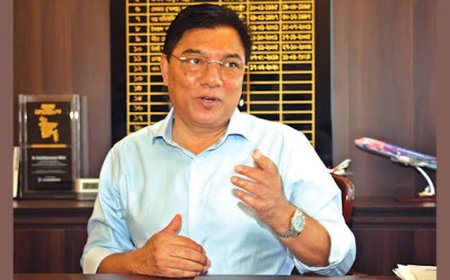
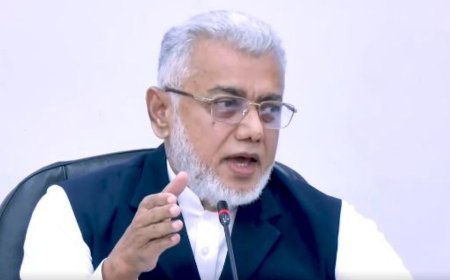
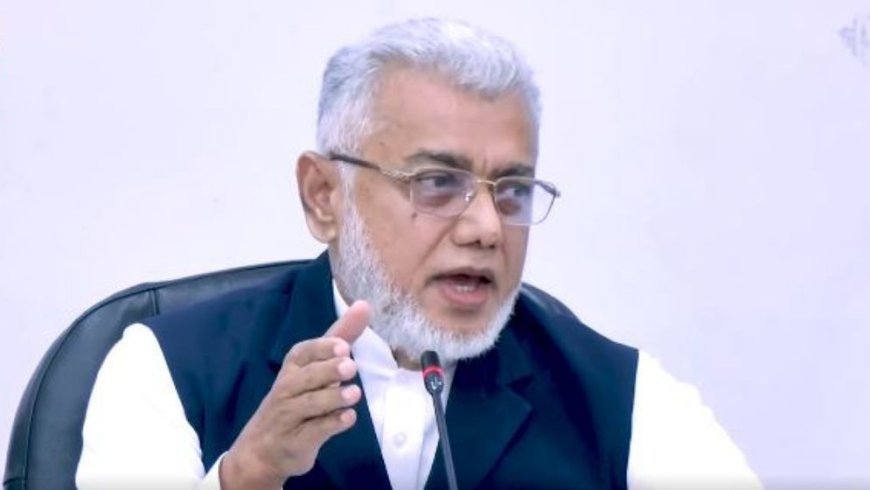
The slowdown is also taking a toll on related industries, including steel, cement, ceramics and furniture, putting millions of jobs at risk. To revive the sector, Dr Ali Afzal, president of the Real Estate and Housing Association of Bangladesh (REHAB), has proposed reducing home loan interest rates to 5%, providing developers with loans at single-digit interest rates, lowering property registration costs and expanding affordable housing through public-private partnerships.
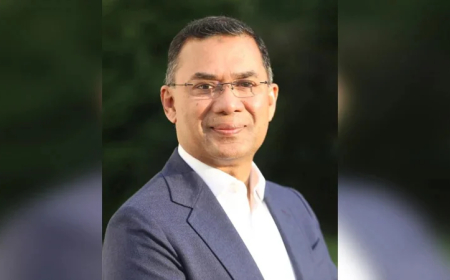
Afzal, who is also managing director of Krishibid Group and chairman of Glorious Lands and Developments Ltd, said soaring construction costs had placed developers under severe financial strain, as they were unable to raise flat prices in line with rising expenses.
He said construction material prices had increased by around 31% amid war-related disruptions, followed by a further 12% rise, bringing the overall increase in construction costs to approximately 43%. However, developers are suffering losses because many remain bound by prices agreed with buyers before the increases.
Housing projects typically take several years to complete, with buyers making instalment payments under agreements signed well in advance. During this period, construction expenses can rise considerably, but revising the agreed prices is often difficult, he explained.
While large developers may have some capacity to absorb additional costs, small and medium-sized companies are struggling to stay afloat. Several projects have been suspended, and some firms have reduced their workforces, Afzal added.
Buyers Struggle to Afford Flats
Afzal identified declining purchasing power and investment uncertainty as major reasons behind the fall in demand for residential properties.
He said the problem was not a lack of interest in buying flats but the inability of many prospective buyers to afford homes at current prices. High home loan interest rates have further complicated property purchases, particularly for middle-income families.
The sector's difficulties began intensifying during the Covid-19 pandemic and worsened amid subsequent political and economic uncertainty, affecting investment decisions, he said.
He added that foreign investors were also concerned about the certainty of repatriating their invested capital and profits.
270 Industries Feel the Impact
Around 270 industries, including steel, cement, ceramics and furniture, are linked to the real estate sector, according to Afzal.
As a major source of demand for these industries, the housing market's slowdown is affecting businesses across the supply chain. Declining construction activity and flat sales are weakening sales in related industries and increasing the risk of difficulties in repaying bank loans.
Afzal estimated that around five million people work in the housing sector. The suspension of projects has prompted several companies to cut staff, although he did not provide specific figures on job losses.
REHAB Calls for Lower Registration Costs
Afzal emphasised the need to reduce property registration expenses to make homeownership more affordable.
Registration-related taxes and fees can account for around 11% to 16% of a flat's price, creating an additional financial burden for buyers. Consequently, many people delay registering their properties, he said.
He proposed calculating registration charges on the basis of actual market values and reducing the associated costs to a more affordable level. Such a move could benefit buyers while potentially increasing government revenue by encouraging more property registrations, he added.
He also called for the complete digitisation of government services, including approvals for land and building plans. Lengthy approval procedures and irregularities increase project timelines and costs, ultimately placing a greater burden on buyers, he said.
5% Interest Rate Proposed for Home Loans
To help middle-income families purchase homes, Afzal proposed long-term housing loans at an interest rate of 5% for individual borrowers.
He suggested introducing differentiated rates according to location, with comparatively higher rates in Dhaka, lower rates in district towns and rates of around 1% in upazilas and rural areas. Such a system could ease pressure on the capital by making homeownership more accessible outside Dhaka, he said.
He also urged authorities to provide real estate developers with loans at single-digit interest rates to ease financial pressure and support the continuation of housing projects.
Housing should not be viewed solely as a commercial activity but also as a means of fulfilling a basic human need, Afzal said. Targeted policy support could help lower construction costs and expand access to affordable homes.
Public-Private Partnerships for Affordable Housing
Afzal proposed launching a long-term affordable housing programme using unused government land in partnership with private developers.
He suggested developing planned residential projects on underutilised public land rather than converting agricultural land for housing. Improving road connectivity between Dhaka and surrounding districts and upazilas would also make commuting to the capital easier, he said.
He further called for effective implementation of government support measures to help financially distressed businesses resume operations.
Loan rescheduling, interest waivers and low-interest financing must translate into tangible benefits for struggling businesses, he said.
Afzal said coordinated action by the government, banks and real estate developers to reduce construction costs, home loan interest rates and registration expenses could restore momentum to the housing sector.
A recovery would benefit not only the property market but also related industries, employment and the broader economy, he added.
What's Your Reaction?