


































































Yemeni forces retake strategic strait from Houthis as daily death toll reaches 270
Yemeni forces retake strategic strait from Houthis as daily death toll reaches 270

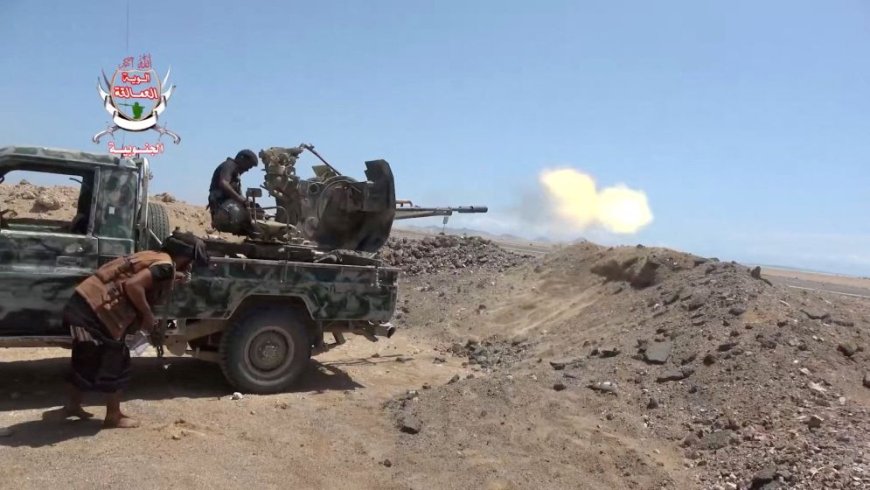
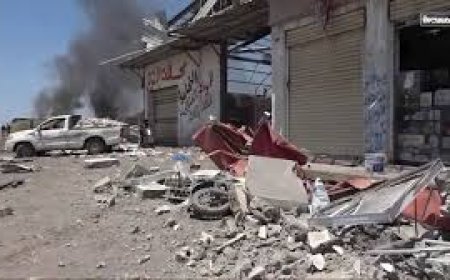
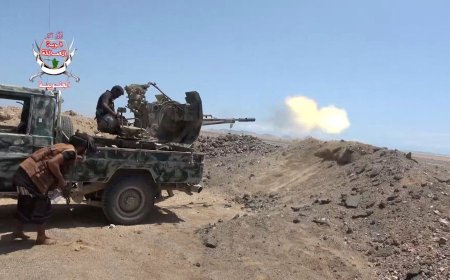
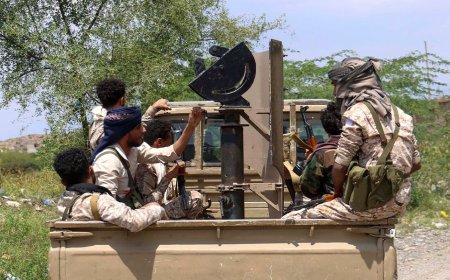
Yemeni government forces, backed by heavy Saudi airstrikes, launched a rapid offensive on Monday to retake territory along the coast near the Bab el-Mandeb Strait and advance toward Mocha, pushing Iran-backed Houthi fighters out of much of the ground they captured last month, the government said.
The Houthis responded by claiming attacks on key Saudi targets, including King Khalid International Airport in Riyadh, an Aramco refinery in Rabigh, Abha International Airport and a military base in Khamis Mushait. Reuters could not immediately verify the claims, while Saudi authorities and Aramco did not immediately comment.
More than 270 government troops and Houthi fighters were killed in the past 24 hours, according to sources on both sides cited by AFP on Tuesday. Yemeni government sources said 115 troops were killed and dozens wounded, while Houthi military sources put their own losses at 160 fighters, mainly from Saudi airstrikes on areas under their control.
Four government sources said Yemeni forces reached the outskirts of Mocha late Monday as Houthi fighters withdrew toward the highlands. The Defence Ministry said the strategic coastal city had been captured.
If confirmed, the advance would weaken the Houthis' control over a crucial Red Sea shipping route, adding pressure to global energy markets already unsettled by Iran's closure of the Strait of Hormuz. However, the Houthis could still threaten shipping with drones launched from other positions.
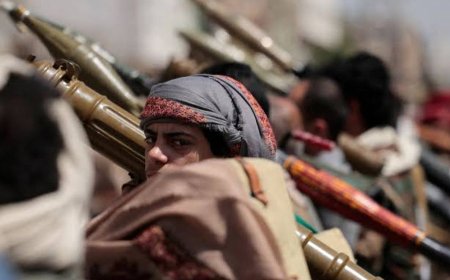
Fighting has intensified along multiple fronts in Yemen in recent weeks after the country's dormant civil war reignited amid the wider US-Iran conflict. The Houthis have sought to establish control over the Bab el-Mandeb Strait while launching missiles and drones toward Saudi cities and infrastructure.
The Saudi-led coalition also said late Monday that its naval forces conducted a military operation in Yemen's Red Sea governorate of Hodeidah. Yemeni government forces had already captured several strategic positions, including an airstrip in Dhubab near the entrance to the strait. The Houthis' seizure of the area last month triggered fresh concerns in global energy markets.
Reuters was unable to independently confirm the extent of the government forces' territorial gains. The Houthis, who have controlled much of Yemen's population centres, including the capital Sanaa, since 2014, dismissed the government's claims as baseless.
At the same time, Houthi forces reportedly made gains near Taiz, Yemen's third-largest city. Five government military sources said the group had captured sections of a mountain road, potentially cutting off government forces in the area. Another government source disputed that the route had been severed.
The Houthis also threatened to target air traffic in Saudi airspace.
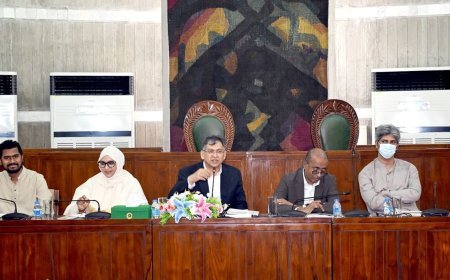
The escalating conflict has prompted Riyadh's regional allies to strengthen their support. Saudi Arabia, Turkey and Pakistan agreed at an emergency meeting in Riyadh on Monday to quickly deploy military forces and capabilities to Saudi Arabia under their Mecca defence agreement, according to a joint statement.
The renewed fighting has further deepened Yemen's humanitarian crisis, already one of the worst in the region. The UN migration agency said Monday that about 184,000 people had been displaced since the conflict resumed.
Yemen's internationally recognised President Rashad al-Alimi vowed on Sunday to continue fighting until the country was freed from what he called the grip of the "terrorist militia."
Saudi Arabia said Monday that it had struck hundreds of targets to support operations around the Bab el-Mandeb Strait and provide air cover for Yemeni ground forces. The Yemeni government said its troops had also launched offensives on several fronts, including in Sanaa province.
The Houthi-run health ministry said Saudi strikes on the Sanhan and Sa'wan districts of Sanaa province killed two people and wounded seven others.
Heaviest fighting reported in southwest Yemen
Although clashes have erupted across several fronts, the most intense fighting has been concentrated in southwest Yemen, particularly around the Bab el-Mandeb coast and the mountainous areas surrounding Taiz.
Five government military sources said Houthi fighters damaged a culvert on the Taiz-Aden road, making the route impassable, and advanced into the town of al-Turbah on Sunday. Another government source denied that the town had been captured.
A Houthi-run news agency, citing a military source, reported Monday that Houthi forces had driven government troops from al-Mawasit district in Taiz province and reached the vicinity of President Alimi's home.
The advances have left Taiz, a city of more than half a million people and home to thousands of government troops, effectively surrounded by Houthi forces, according to government military sources.
In al-Mudhaffar, just outside Taiz but within the area under Houthi siege, residents formed long queues at a petrol station to obtain fuel and cooking gas.
"This is the daily state in Taiz," said local resident Shehab Hazaa.
Saudi Arabia, Turkey and Pakistan agree on military deployment
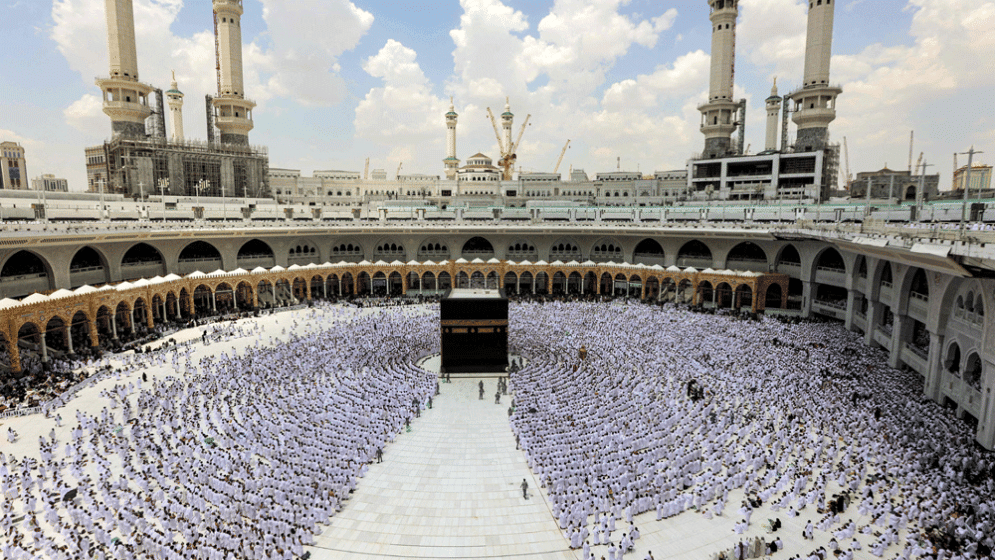
Following their emergency meeting, Saudi Arabia, Turkey and Pakistan accused the Houthis of attempting to threaten Islam's holiest cities, Mecca and Medina.
The three countries condemned what they described as attempts to target the two holy cities, as well as continued attacks against Saudi cities and civilian and economic infrastructure, reaffirming their opposition to any threat to the kingdom's security and territorial integrity.
The Mecca Joint Defence Agreement, signed in August, aims to strengthen collective deterrence against aggression and stipulates that an armed attack against any of the three signatories would be treated as an attack against all.
What's Your Reaction?