























































Road Accident: The First 10 Minutes Can Make the Difference Between Life and Death
Road Accident: The First 10 Minutes Can Make the Difference Between Life and Death

Road Accidents: The First 10 Minutes Can Save a Life
A road accident can transform an ordinary day into a life-threatening emergency within seconds. A motorcyclist may lie unconscious on the road, a pedestrian may suffer severe bleeding, or passengers may become trapped inside a wrecked vehicle. In such situations, the first few minutes are critical. While some people step forward to help, others panic, crowd around the injured or record videos on their mobile phones. Tragically, a lack of basic first-aid knowledge can sometimes turn a potentially survivable injury into a fatal outcome.
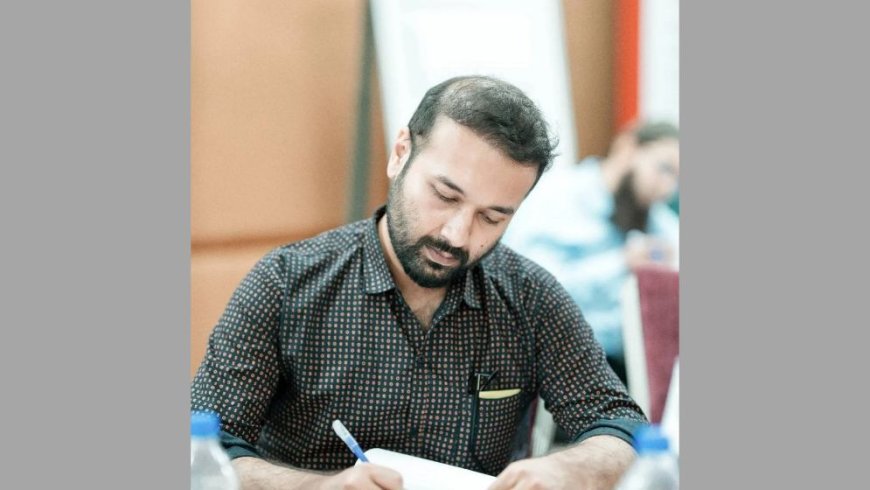
As an Emergency Medical Officer, I believe road safety awareness must go beyond preventing accidents. Every citizen should understand how to respond responsibly when an accident occurs. You do not need to be a doctor to help save a life. However, knowing what to do—and what to avoid—can make a significant difference before professional medical assistance arrives.
Here are 10 essential recommendations everyone should know.
1. Stay Calm and Ensure the Scene Is Safe
Key advice: Never rush into danger without assessing the situation.
Before approaching an injured person, check for moving traffic, fire, leaking fuel, electrical hazards and other potential dangers. A rescuer who is struck by another vehicle may become an additional victim.
-
Stop at a safe distance and assess the surroundings.
-
If possible, ask someone to warn approaching traffic from a safe location.
-
Never stand in the middle of a busy road or attempt a dangerous rescue.
-
Avoid smoking or creating sparks if fuel leakage is suspected.
-
Move the victim only when an immediate danger makes remaining at the scene unsafe.
Always remember: protecting yourself is the first step towards saving someone else's life.
2. Call Emergency Services Without Delay
Key advice: Do not waste precious time waiting for someone else to take responsibility.
In Bangladesh, dial 999, the national emergency service, and request appropriate assistance. Clearly communicate the accident's location, the number of injured people and any immediately life-threatening conditions, such as unconsciousness or severe bleeding.
-
Provide a clear landmark, road name or nearby identifiable location.
-
Describe the injured person's condition as accurately as possible.
-
Follow the emergency operator's instructions.
-
Ask a specific person to make the call rather than shouting generally for help.
-
If possible, arrange for someone to guide emergency responders to the scene.
-
If you are alone, use speakerphone to communicate with the operator while providing first aid.
Never assume someone else has already contacted emergency services.
3. Check Consciousness and Normal Breathing
Key advice: An unconscious person requires immediate assessment.
Once the scene is safe, speak loudly to the injured person and ask whether they can hear you. If there is no response, check whether they are breathing normally.
-
If the person is unconscious and not breathing normally, or is only gasping, call for emergency assistance and begin cardiopulmonary resuscitation (CPR) according to your training and the emergency dispatcher's instructions.
-
If an automated external defibrillator (AED) is available, ask someone to bring it.
-
If the person is unconscious but breathing normally, continuously monitor their breathing and maintain an open airway.
-
If a spinal injury is suspected, avoid unnecessary movement while prioritising airway management if breathing is threatened.
Do not assume an unconscious person will recover simply by resting. In a life-threatening emergency, every minute can matter.
4. Control Severe Bleeding Immediately
Key advice: Firm, continuous pressure can help prevent life-threatening blood loss.
Severe external bleeding is one of the most urgent complications following a road accident. An injured person can lose a dangerous amount of blood before reaching a hospital.
-
If available, wear disposable gloves or use a suitable barrier to protect yourself from blood.
-
Apply firm, direct pressure to the wound using clean gauze, a dressing or a clean cloth.
-
Maintain continuous pressure rather than repeatedly lifting the material to inspect the wound.
-
If blood soaks through, place additional material on top and continue applying pressure.
-
Never remove an object embedded in a wound; apply pressure around it instead.
-
For life-threatening bleeding from an arm or leg that cannot be controlled with direct pressure, a commercial tourniquet may be necessary. Use one if available and you are trained, or follow the emergency dispatcher's instructions. Do not loosen it yourself.
-
Do not delay applying pressure while searching for ideal medical supplies.
Whenever possible, avoid direct contact with blood and take appropriate precautions to protect yourself.
5. Avoid Unnecessary Movement of the Injured Person
Key advice: Someone who can speak or walk may still have a serious injury.
Road accidents can cause fractures, head injuries and damage to the neck or spine. Some injuries may not be immediately apparent. Pulling, lifting or forcing an injured person to stand could worsen their condition.
-
Leave the person in the position in which they were found, provided the scene is safe.
-
Encourage them to remain still.
-
If possible, support the head in a comfortable, neutral position without forcing the neck to move.
-
Never pull the person by their arms or legs.
-
Do not attempt to straighten a fractured limb or push a protruding bone back into place.
-
Do not routinely remove a motorcyclist's helmet. Removal may be necessary for airway management or resuscitation and should ideally be performed by trained responders.
-
If fire, traffic or another immediate threat puts the victim in danger, move them only as far as necessary to reach safety, seeking appropriate assistance whenever possible.
The priority is to prevent further injury while ensuring that any immediate threat to life is addressed.
6. Arrange Safe Transport to the Hospital
Key advice: The fastest transport is not always the safest option.
An ambulance is preferable for seriously injured people because trained responders can assess their condition, support breathing, control bleeding and coordinate appropriate medical care.
-
Contact emergency services and follow their guidance.
-
Avoid transferring someone with suspected spinal, pelvic or major limb injuries into a private vehicle unless immediate evacuation is necessary or emergency services advise that ambulance transport is unavailable.
-
If the scene presents an immediate danger, move the victim only as far as necessary to reach safety.
-
Do not delay essential lifesaving measures while waiting for ideal equipment.
-
Never allow an injured person to drive themselves to the hospital.
Transport decisions should take into account the victim's condition, the urgency of medical intervention and the safety of everyone involved.
7. Never Give Food, Water or Oral Medication to a Seriously Injured Person
Key advice: An apparently harmless gesture can create additional risks.
An unconscious, drowsy or seriously injured person may have difficulty swallowing and could choke or inhale fluids into the lungs. They may also require emergency surgery.
-
Do not give food, water, tea, alcohol or oral medication to an unconscious or seriously injured person.
-
Never pour water over someone's face in an attempt to wake them.
-
Do not apply toothpaste, powders, oils or unverified substances to wounds.
-
Avoid treating serious injuries with home remedies.
Instead, reassure the injured person, monitor their breathing and wait for professional medical assistance.
8. Keep the Victim Warm and Offer Reassurance
Key advice: Simple supportive care can reduce distress while help is on the way.
An injured person may feel frightened, confused or disoriented. Speak calmly, reassure them and explain that help is coming.
-
Cover the person with a clean cloth or blanket to reduce heat loss.
-
Avoid unnecessary movement.
-
Regularly reassess their consciousness and breathing.
-
Watch for worsening drowsiness, difficulty breathing, pale or clammy skin, increasing confusion or persistent heavy bleeding.
-
Inform the emergency operator immediately if the person's condition deteriorates.
Never leave a seriously injured person alone if you can safely remain with them. Although reassurance cannot replace medical treatment, it can help reduce panic and support a more organised response.
9. Do Not Crowd, Film or Spread Misinformation
Key advice: Be a responsible bystander, not merely a spectator.
Large crowds can obstruct traffic, delay ambulances and prevent emergency responders from reaching injured people. Recording or sharing identifiable images of victims can also violate their privacy and dignity.
-
Keep unnecessary bystanders away from the immediate accident scene.
-
Respect the victim's privacy and avoid filming or sharing identifiable images without appropriate consent.
-
Do not spread rumours or speculate about the cause of the accident.
-
Avoid arguing with bystanders or interfering with trained responders.
-
Offer practical assistance by calling emergency services, helping manage the crowd from a safe position or guiding the ambulance to the scene.
A few organised and responsible helpers can be far more effective than a large, uncontrolled crowd.
10. Learn Basic First Aid Before an Emergency Occurs
Key advice: Preparation is better than panic.
First-aid training should be encouraged in schools, colleges, workplaces, transport organisations and local communities. Drivers, motorcyclists, public transport workers, students and community volunteers can all benefit from learning how to respond to emergencies.
Everyone should understand how to:
-
Contact emergency services and communicate essential information.
-
Recognise unconsciousness and abnormal breathing.
-
Perform CPR according to their training.
-
Control severe bleeding.
-
Protect an injured person from further harm.
-
Provide appropriate assistance until professional responders arrive.
Hospitals and healthcare professionals also have an important role in promoting road safety awareness and expanding public access to practical first-aid education.
A community equipped with basic emergency response skills is better prepared to protect lives when accidents occur.
Conclusion: Be Prepared to Save a Life
The first 10 minutes after a road accident are not a guaranteed window in which every life can be saved. Some injuries require immediate advanced medical intervention. Nevertheless, these early minutes provide a vital opportunity to prevent further harm, recognise life-threatening conditions, control severe bleeding and activate emergency services without delay.
Every citizen should remember three fundamental priorities: ensure safety, call for help and provide appropriate first aid.
Do not panic. Do not crowd around the victim. And do not allow a mobile phone to become more important than a human life.
You may never know when you will encounter a road accident. But if that moment comes, your knowledge, composure and responsible actions could help save someone's life.
Road safety is everyone's responsibility. Sometimes, being prepared to help is the most important responsibility of all.
What's Your Reaction?