
































Protests Across Europe, Energy Crisis Cast Shadow Over Apparel Outlook
Protests Across Europe, Energy Crisis Cast Shadow Over Apparel Outlook

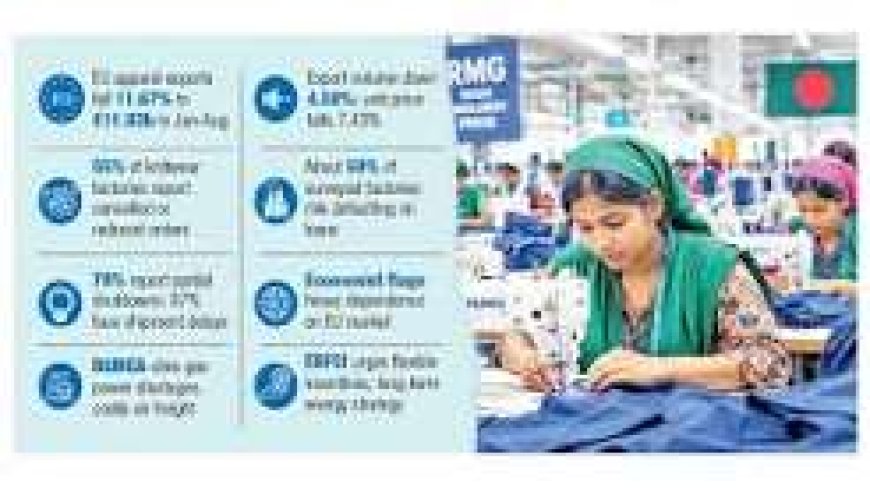
Bangladesh’s readymade garment (RMG) industry is facing growing uncertainty as inflation-driven protests across parts of Europe, a global energy crisis and intensifying competition from rival exporters threaten to undermine export growth. Industry leaders and economists warn that declining shipments, rising production costs and aggressive competition are putting additional pressure on the country’s largest export-earning sector, which relies heavily on the European Union (EU) market.
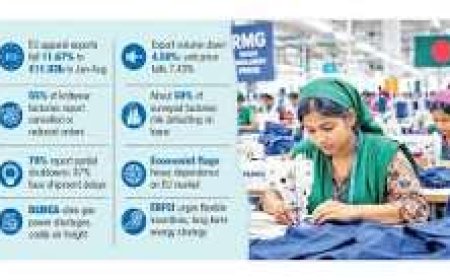
According to Eurostat data, Bangladesh’s apparel exports to the EU fell 11.67% to €11.93 billion during January–August 2026, compared with €13.50 billion in the same period last year. Export volumes declined 4.58%, while the average unit price dropped 7.43% to €13.76 per kilogramme from €14.87. The figures suggest that lower prices accounted for a significant share of the decline in export earnings.
Energy Crisis and Inflation Weigh on Demand
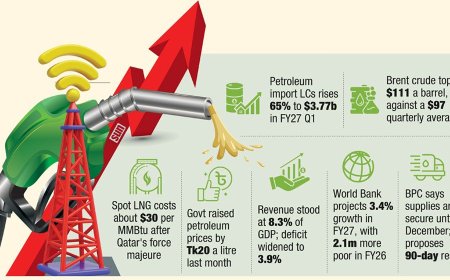
Md Salauddin Chowdhury, senior director of the Europe-Bangladesh Federation of Commerce and Industry (EBFCI) and chairman of Stylish Garments Limited, told the Daily Sun that the Russia-Ukraine war and prolonged tensions in the Middle East had triggered a global energy crisis. Disruptions to fuel supplies through the Strait of Hormuz have further intensified concerns over energy availability and prices.
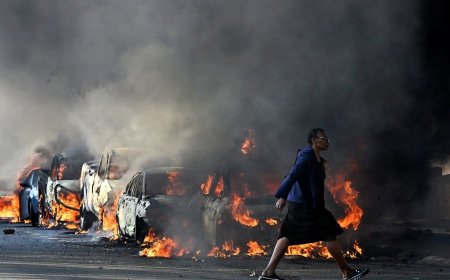
“The resulting inflation is fuelling protests in European countries, including France and Italy, and weakening consumers’ purchasing power,” he said.
Bangladesh exports garments to several EU countries, including France and Italy, making developments in these markets particularly important for local manufacturers.
Salauddin expects the protests to ease eventually but warned that elevated inflation could persist, suppressing consumer spending and demand for Bangladeshi products.
As living costs continue to rise, consumers may reduce their clothing purchases, placing further pressure on exporters. He cautioned that a prolonged crisis could force more factories to close, putting employment and livelihoods at risk.
Although energy supplies have improved to some extent, he said, the threat of renewed disruptions remains.
Salauddin urged the government to introduce transparent and flexible support measures for struggling factories and develop a long-term energy strategy focused on domestic gas exploration, solar power and expanded liquefied natural gas (LNG) infrastructure.
He also called on exporters to negotiate with international buyers to share the burden of rising production costs. Any wage adjustments, he added, should be determined through constructive discussions among workers, employers and other stakeholders to ensure fair compensation without pushing factories towards closure.
He stressed that Bangladesh must take immediate steps to safeguard jobs and strengthen its long-term energy security.
Dr Mohammad Abdur Razzaque, chairman of Research and Policy Integration for Development (RAPID), said exporters serving the EU market could face further difficulties, particularly as gas demand and energy prices in Europe are expected to increase during the winter.
Considering persistent inflation and ongoing unrest, he anticipated a possible contraction in trade with Europe in the coming months.
Razzaque said Bangladesh was particularly vulnerable because of its heavy dependence on a limited number of export markets, adding that the country had failed to establish any major alternative market outside the EU.
Orders Affected at 55% of Knitwear Factories
A survey by the Bangladesh Knitwear Manufacturers and Exporters Association (BKMEA) found that 55% of surveyed knitwear factories had experienced cancellations or reductions in work orders from international retailers and brands amid the energy crisis.
The disruption has also resulted in production losses, shipment delays and higher operating costs.
BKMEA Executive President Fazlee Shamim Ehsan said the association surveyed 20% of its member factories across Narayanganj, Gazipur, Chattogram, Dhaka and other areas between 21 August and 14 September.
The findings revealed that nearly 78% of the surveyed factories had experienced partial production shutdowns, while 87% reported shipment delays.
Around 60% had been compelled to offer discounts to buyers, and approximately 89% expressed concern about losing buyers’ confidence. Meanwhile, nearly 59% faced the risk of defaulting on bank loans, while around 7% had completely halted production.
The findings highlight the growing financial and operational challenges facing knitwear manufacturers as they struggle to maintain production and meet international buyers’ requirements.
Competitiveness Under Growing Pressure
Mahmud Hasan Khan, president of the Bangladesh Garment Manufacturers and Exporters Association (BGMEA), said business and trade activities were closely linked to law and order.
Tourists constitute an important customer base for retailers in several European countries, he noted. Any disruption to tourism and normal economic activity caused by unrest could weaken retail sales and increase the risk of losses for Bangladeshi exporters.
Mahmud also emphasised that uninterrupted gas and electricity supplies were essential to maintaining production in Bangladesh’s garment industry.
“However, rising energy prices, inadequate supply and frequent power outages have increased production costs and severely disrupted operational efficiency in the RMG sector,” he said.
International buyers impose strict delivery schedules, but persistent gas and electricity shortages often make it difficult for manufacturers to meet deadlines.
To fulfil urgent orders, factories may have to rely on expensive air freight or alternative power generators, increasing costs, reducing profit margins and weakening Bangladesh’s competitiveness against rival garment-producing countries.
To address energy-related challenges, the BGMEA has taken initiatives to encourage the adoption of renewable energy and promote greener manufacturing practices.
What's Your Reaction?