






















































Bangla QR poised to revolutionise digital transactions
Bangla QR poised to revolutionise digital transactions


Bangladesh Bank (BB) is set to launch the Bangla QR (Quick Response) code system on July 1, a major step toward simplifying, standardising and expanding digital transactions nationwide as part of its broader drive to build a cashless economy.
The central bank expects the initiative to reshape the country's payment landscape by introducing a unified, low-cost and inclusive digital payment platform that can be used by businesses ranging from large shopping centres to small roadside vendors.
Under the Bangla QR system, merchants will be able to receive payments through a single QR code, eliminating the need to maintain separate QR codes issued by different banks and mobile financial service (MFS) providers. The move is expected to make digital transactions more convenient, transparent and widely accessible.
According to officials, Bangla QR offers a significant advantage over traditional card-based payment systems, which require expensive Point of Sale (POS) machines. Instead, merchants will only need a QR code sticker to accept payments, making the system particularly suitable for small businesses, street vendors and service providers.
The platform is also expected to strengthen transaction security by enabling customers to make payments directly through their bank or MFS applications, reducing the risks associated with card cloning, PIN theft and other forms of payment fraud.
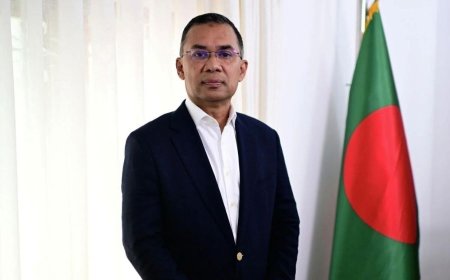
To oversee the nationwide rollout and expansion of the platform, Bangladesh Bank has formed a steering committee led by Governor Md Mostaqur Rahman, with representatives from relevant government ministries, commercial banks and MFS operators.
Highlighting the significance of the initiative, the governor said wider adoption of digital payments would help lower cash-handling costs, improve financial transparency and expand access to formal financial services.
“Bangla QR can play a vital role in delivering technology-driven financial services to rural and underserved communities,” he said.
Md Robiul Islam, Additional Managing Director of SBAC Bank PLC, welcomed the move, noting that economies around the world are increasingly shifting toward cashless transactions.
“This initiative will help align Bangladesh with global best practices while offering greater convenience to both consumers and merchants,” he told BSS.
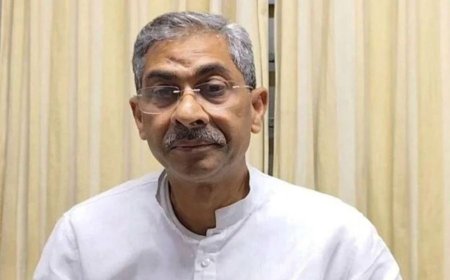
Prof Dr Md Shahidul Islam Zahid, Chairman of the Department of Banking and Insurance at Dhaka University, described Bangla QR as a landmark initiative for enhancing transparency and accountability in financial transactions. However, he stressed the importance of extensive awareness campaigns through traditional and social media to encourage widespread adoption.
“Financial literacy remains limited among many people, so users must be informed about the benefits and proper use of the system,” he said.
Merchants have also expressed optimism about the platform. Rahmat Ullah, a cloth trader at New Market in Dhaka, said the unified QR system would eliminate the hassle of managing multiple payment codes from different service providers.
Academic experts likewise underscored the need for strong cybersecurity measures and public awareness. Prof Al Amin of Dhaka University's Accounting Department emphasised the importance of safeguarding users against digital fraud and cyber threats while ensuring they understand the simple payment process.
Prof Dr Morshed Hasan Khan of the university's Marketing Department said the initiative marks another important milestone in modernising Bangladesh's financial sector and improving the ease of doing business.
He added that a broader shift toward cashless transactions would enhance security for traders and support the country's wider digital transformation agenda.
The nationwide launch of Bangla QR is expected to accelerate the adoption of digital payments and advance Bangladesh's vision of a more efficient, inclusive and technology-driven financial ecosystem.
What's Your Reaction?