










































































Oil Prices Fall on Iran Optimism as Yen Rallies After Joint Intervention
Oil Prices Fall on Iran Optimism as Yen Rallies After Joint Intervention


Oil prices fell sharply on Monday after US President Donald Trump announced that fresh negotiations with Iran would begin later in the day, easing concerns over tensions in the Middle East. Meanwhile, the Japanese yen extended its rally after Washington and Tokyo confirmed a rare coordinated intervention to support the currency.
Despite the diplomatic progress, Asian stock markets remained subdued. South Korea's Kospi index dropped as heavyweight chipmakers SK hynix and Samsung retreated following Friday's record-breaking AI-driven rally.
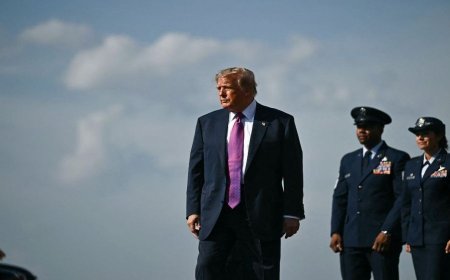
Speaking aboard Air Force One on Sunday, Trump said the new round of talks with Iran would focus on the Strait of Hormuz — a crucial global energy shipping route — and the country's eventual denuclearisation. However, he did not disclose where the negotiations would take place or who would participate.
His comments marked a shift from earlier warnings that the United States could launch severe military strikes against Iran, including attacks on its energy infrastructure. Trump said on Saturday that the framework for a potential agreement was already in place, adding that the previously considered military action would have been "the biggest attack since World War II."
Separately, Iran announced it was close to reaching an agreement with Oman on a new shipping route through the Strait of Hormuz. The strategic waterway has remained at the centre of regional tensions after Tehran insisted that vessels use a route close to the Iranian coastline.
Oil prices also came under pressure after Saudi Arabia, Russia and five other OPEC+ members agreed to raise output by 188,000 barrels per day from September. Both major crude benchmarks fell by about six percent during trading.
Currency markets remained in focus after Trump confirmed that the United States had joined Japan in intervening to support the yen, describing the move as "a signal of friendship." The Financial Times had earlier reported that it marked the first joint US-Japan currency intervention in nearly three decades.
Trump said the intervention would bring financial benefits to the United States while also supporting the global economy.
The yen, which had recently hovered near its weakest level since 1986 due to high US interest rates, elevated oil prices and capital outflows, strengthened to 155.23 per dollar on Monday — its strongest level since May.
Japan's Finance Minister Satsuki Katayama confirmed the intervention, saying it was aimed at countering excessive volatility in the currency market. She warned that authorities would not hesitate to conduct further joint interventions if needed.
US Treasury Secretary Scott Bessent echoed that stance in a post on X, saying Washington stood ready to participate in additional interventions, citing economic security and the strength of the US-Japan alliance.
Masayuki Nakajima of Mizuho Bank said the intervention's greatest significance lay in the signal it sent to markets, suggesting that excessive yen weakness was no longer viewed as Japan's problem alone.
Stephen Innes of SPI Asset Management said the move demonstrated Washington's willingness to act against excessive dollar strength when it threatened key allies and broader financial stability.
Asian equity markets were mixed after last week's sharp AI-driven swings. South Korea's Kospi fell 5.1 percent, with SK hynix and Samsung both dropping more than eight percent. Losses were also recorded in Tokyo, Shanghai and Singapore, while Hong Kong, Sydney, Mumbai, Taipei, Bangkok, Manila, Wellington and Jakarta ended higher.
European markets opened higher, with gains in London, Paris and Frankfurt.
The cautious mood came despite a strong session on Wall Street, where Amazon jumped more than 15 percent after reporting better-than-expected quarterly earnings and revenue. The results, along with Microsoft's strong performance a day earlier, renewed investor confidence in artificial intelligence despite ongoing concerns over the sector's long-term returns.
What's Your Reaction?