


































World Health Organization says a vaccine to combat the Ebola outbreak could take six to nine months to become available
World Health Organization says a vaccine to combat the Ebola outbreak could take six to nine months to become available.

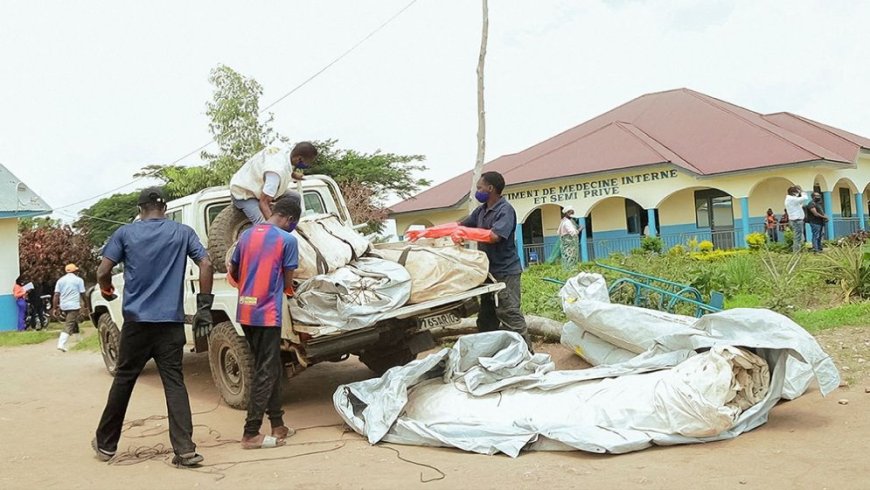
The World Health Organization said on Wednesday that doses of the “most promising” vaccine candidate against the Bundibugyo virus behind the Ebola outbreak in central Africa may not be available for another six to nine months, as suspected cases climbed to 600.
WHO Director-General Tedros Adhanom Ghebreyesus said during a press briefing on the outbreak in the Democratic Republic of the Congo and Uganda that 139 deaths had already been reported, with the toll expected to rise further.
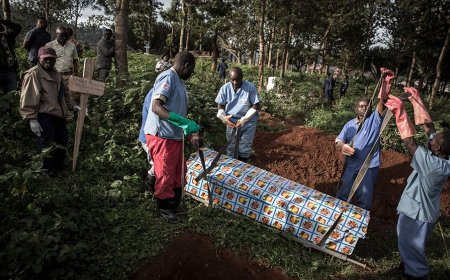
Officials believe the virus may have begun spreading several months ago, possibly accelerated by a “super-spreader event” such as a funeral held in early May.
Tedros said ongoing armed conflict in Ituri province, where over 100,000 people have recently been displaced, has made it difficult to detect and respond to the outbreak. He added that diseases common in the region, including malaria and typhoid, share early symptoms with Ebola, which can delay diagnosis.
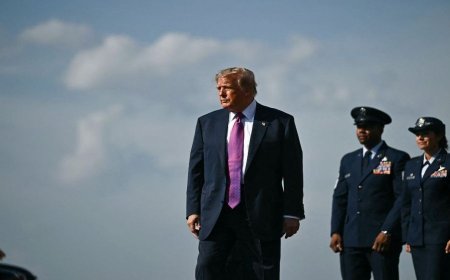
Responding to criticism from US Secretary of State Marco Rubio that the WHO reacted too slowly, Tedros said the remarks likely reflected “a lack of understanding” of how international health regulations work, stressing that the WHO supports countries rather than replacing their responsibilities.
The administration of Donald Trump withdrew the US from the WHO earlier this year.
Dr Vasee Moorthy said the leading vaccine candidate uses the same platform as Ebola vaccines developed for the Zaire strain, but no doses are currently available for clinical trials.
An alternative vaccine based on the same technology used by Oxford University and AstraZeneca for Covid-19 vaccines could be ready for trials within two to three months, although officials said there remains significant uncertainty because animal efficacy data is still unavailable.
The outbreak was officially announced by African health authorities on Friday, and the WHO declared it a public health emergency of international concern early Sunday.
Tedros said the WHO currently assesses the outbreak risk as high nationally and regionally, but low globally.
Researchers from Imperial College London estimate there may already be more than 1,000 Ebola cases in the affected area.
WHO emergencies lead Chikwe Ihekweazu said the immediate priority is to trace transmission chains in order to determine the full scale of the outbreak and deliver care effectively.
What's Your Reaction?