

















































Auto-rickshaws reveal shortcomings in the capital’s AI-driven traffic management system
Auto-rickshaws reveal shortcomings in the capital’s AI-driven traffic management system.

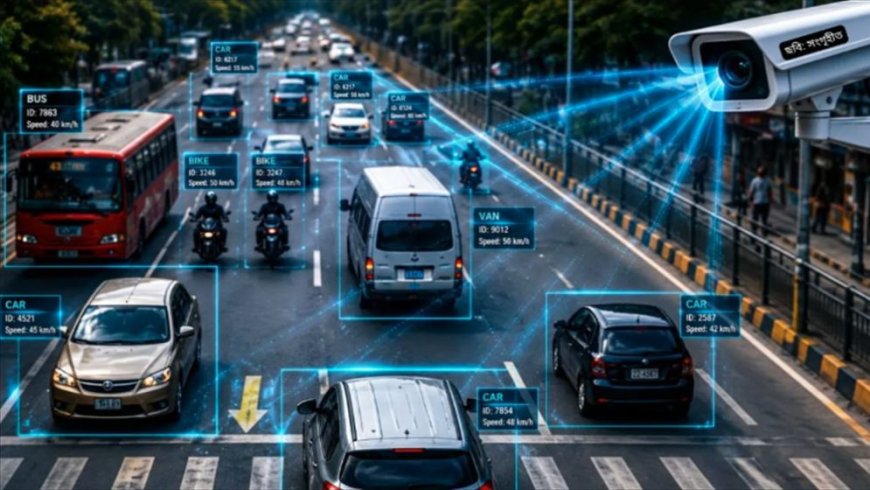
The Dhaka Metropolitan Police has introduced a modern artificial intelligence (AI)-based traffic management system in a bid to restore discipline on the capital’s roads.
Advanced AI cameras have been installed at key intersections and busy roads to automatically detect traffic violations such as jumping red lights, crossing stop lines, driving on the wrong side of the road, blocking zebra crossings, failing to wear seatbelts, riding motorcycles without helmets, and illegal parking.
While the technology-driven monitoring system has prompted bus, truck, private car, and motorcycle drivers to become more compliant with traffic laws, auto-rickshaws have emerged as a major challenge, raising concerns over the effectiveness of the initiative.
Visits to different roads across the capital showed that although other vehicles are attempting to follow traffic regulations out of fear of AI-generated cases, auto-rickshaws continue to operate recklessly. Violations including ignoring traffic signals, driving against traffic, occupying zebra crossings, and speeding on major roads remain widespread. Officials say the main problem is that many auto-rickshaws lack digital number plates or proper registration systems, making it impossible for AI cameras to identify them and initiate automated legal action.
Wrong-way movement of auto-rickshaws was observed on several major routes, including 300 Feet Road, Kuril-Badda Road, Agargaon, Mirpur, Pallabi, Gulistan, and Moghbazar. In many cases, the three-wheelers were seen travelling at speeds exceeding 30 kilometres per hour, heightening accident risks.
Last Sunday night in the Notun Bazar area, a speeding auto-rickshaw travelling in the wrong direction narrowly avoided a head-on collision with a motorcycle after the rider applied sudden brakes.
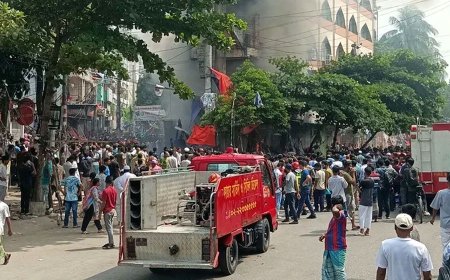
Auto-rickshaws also continue to occupy intersections across the city, contributing significantly to traffic congestion.
According to DMP sources, AI-based traffic monitoring began in the capital on May 7. More than 300 digital cases were filed within the first week alone. Cameras installed at Shahbagh, Banglamotor, Karwan Bazar, Bijoy Sarani, the InterContinental intersection, and Airport Road automatically identify vehicle number plates and collect photographic and video evidence of traffic violations.
The system then generates digital cases through software and sends notices directly to vehicle owners’ mobile phones. Authorities say many drivers have become more cautious and are correcting habitual violations after receiving notices.
However, concerns persist over the inability to bring auto-rickshaws under control, particularly as they are widely regarded as among the most disorderly vehicles on city roads.
DMP Additional Commissioner (Traffic) Anisur Rahman said vehicles without number plates cannot be identified by AI systems. He added that efforts are underway to bring all types of vehicles under legal accountability and indicated that stricter action against battery-powered rickshaws would begin after Eid.
Experts say restoring order on city roads will require more than technological solutions. Without effective regulation of uncontrolled auto-rickshaws, they argue, even costly AI systems may struggle to bring the desired discipline to Dhaka’s streets.
What's Your Reaction?