
































































The Hormuz crisis highlights Bangladesh’s growing energy vulnerability
An ETC report says the transition to clean energy is now vital for economic security.

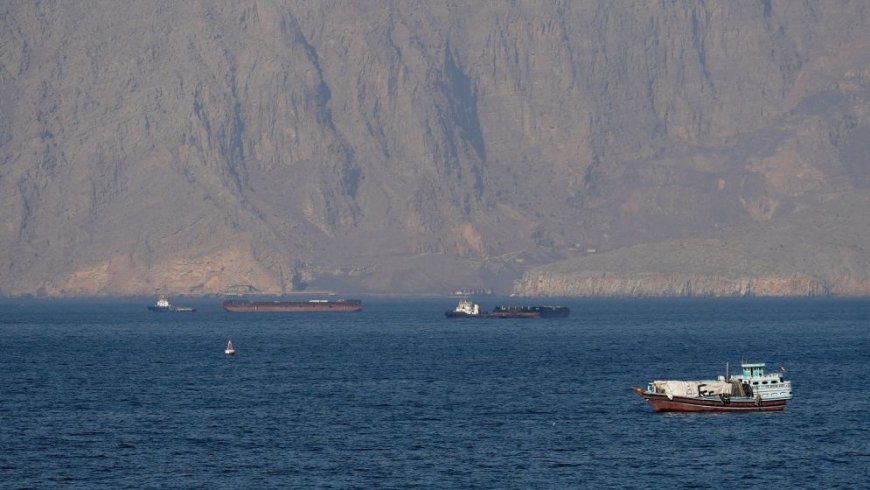
Bangladesh is facing one of its most severe energy shocks in recent years as the continuing fallout from the closure of the Strait of Hormuz disrupts global fuel markets, exposing the country’s deep dependence on imported fossil fuels.
A report published Friday by the Energy Transitions Commission, titled Lessons on Energy Security after the Hormuz Crisis, warned that countries like Bangladesh are among the hardest hit by global supply disruptions and surging fuel prices.
According to the report, the current crisis is no longer driven solely by climate concerns or geopolitical tensions, but increasingly by issues of economic security and national resilience.
Bangladesh imports almost all of its fossil fuel needs and maintains limited strategic reserves, leaving it highly exposed to volatility in global energy markets.
Since the Strait of Hormuz crisis began in late February, fuel shortages and rising energy costs have started affecting multiple sectors across the country.
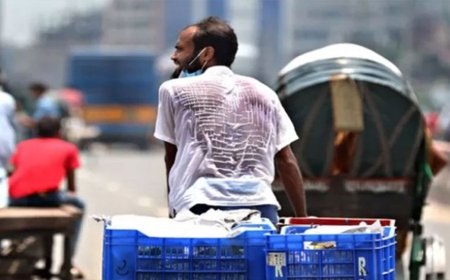
Industries are grappling with gas and electricity shortages, forcing many factories to scale back production or ration operations. Liquefied petroleum gas (LPG), widely used in households, has become significantly more expensive, while higher fertiliser prices are adding pressure on farmers.
The crisis has also disrupted daily life, with businesses struggling to absorb rising operating costs and consumers facing higher expenses for energy and transportation.
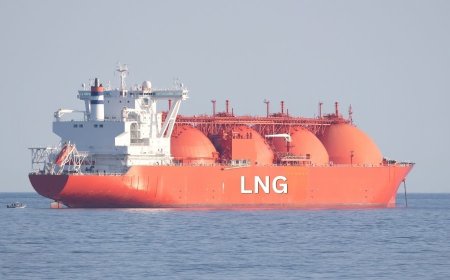
The ETC report said the closure of the Strait disrupted 18.4 million barrels of oil supply per day — nearly one-fifth of global oil flows — along with 110 billion cubic metres of liquefied natural gas (LNG), equivalent to 20 percent of global LNG trade.
According to the International Energy Agency, global oil supply dropped by eight million barrels per day in March alone, almost double the peak disruption recorded during the 1973 Arab oil embargo. The report noted that emerging and fuel-importing economies are bearing the brunt of the crisis.
“The impacts are being felt across all regions, but most acutely in emerging and import-dependent economies,” the report said.
Global oil prices have climbed above $100 per barrel, while spot LNG prices in Asia have more than doubled since the crisis began.
The ETC argued that the crisis has exposed the structural weaknesses of fossil fuel-dependent energy systems, which rely heavily on uninterrupted fuel imports and remain vulnerable to geopolitical shocks and price volatility.
By contrast, the report said clean energy systems based on solar, wind and battery technologies are more resilient because they depend mainly on upfront infrastructure investment rather than continuous imported fuel supplies.
ETC Co-chair Adair Turner said the crisis has shown that dependence on fossil fuels is not only a climate risk, but also a major economic and strategic vulnerability.
The report identified renewable electricity expansion, electric transport, electric cooking and improved energy efficiency as key policy priorities for countries seeking long-term energy security.
For Bangladesh, analysts say the report delivers a stark warning as the country continues to depend heavily on imported LNG, oil and coal to meet rising energy demand. It also pointed to neighbouring Pakistan’s rapid solar energy expansion in recent years, which has helped reduce its exposure to global fossil fuel price shocks.
Experts believe Bangladesh now faces growing pressure to accelerate investment in renewable energy, modernise the national grid and reduce reliance on imported fuels to strengthen long-term energy security.
At the same time, the report cautioned governments against introducing broad fossil fuel subsidies or making large investments in new LNG infrastructure, warning that such measures could create long-term financial and energy risks.
Although some countries, including Bangladesh, may temporarily increase coal use to offset gas shortages, the ETC said governments should avoid building new coal-fired power plants or delaying existing phase-out plans.
The report concluded that the Hormuz crisis has exposed the vulnerability of import-dependent economies to global fuel disruptions and argued that the transition to clean energy is rapidly becoming an economic necessity rather than simply an environmental objective.
What's Your Reaction?