
































Trump rejects Iran peace proposal as Tehran threatens fresh attacks
Trump rejects Iran peace proposal as Tehran threatens fresh attacks

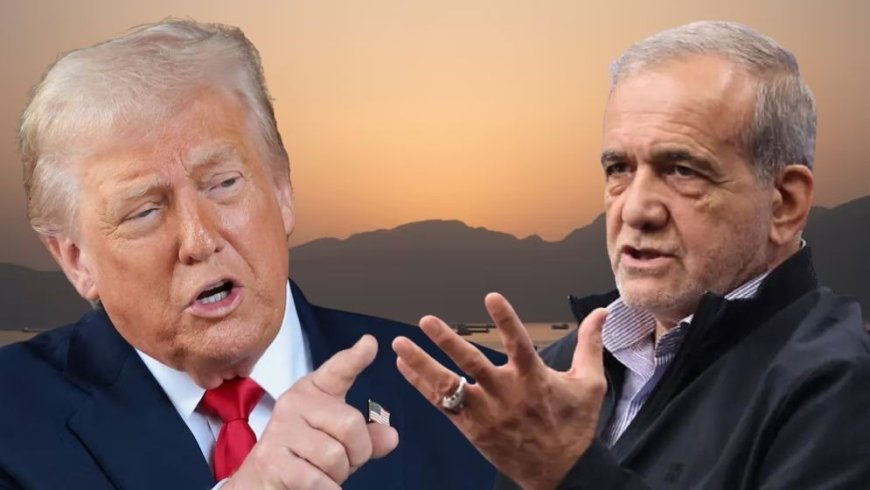
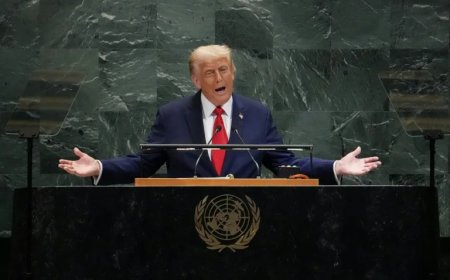
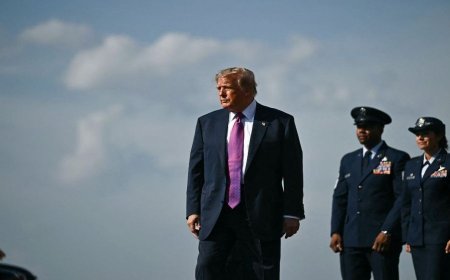
US President Donald Trump on Sunday described Iran’s conditions for ending the Middle East conflict as “totally unacceptable,” increasing fears of renewed fighting after weeks of negotiations.
Iran earlier responded to Washington’s latest peace proposal while warning that it would retaliate against any fresh US strikes and would not allow additional foreign warships in the Strait of Hormuz.
Trump did not disclose details of Tehran’s counterproposal, but made clear in a brief post on his Truth Social platform that he was rejecting it.
“I have just read the response from Iran’s so-called ‘Representatives.’ I don’t like it — TOTALLY UNACCEPTABLE!” Trump wrote.
The exchange came as Israeli Prime Minister Benjamin Netanyahu — whose forces launched the war on Iran alongside the US military on February 28 — said the conflict could not end until Iran’s enriched uranium was removed and its nuclear facilities dismantled.
Despite ongoing diplomatic efforts behind the scenes, Tehran maintained a defiant stance publicly.
“We will never bow down to the enemy, and if there is talk of dialogue or negotiation, it does not mean surrender or retreat,” Iranian President Masoud Pezeshkian said Sunday in a post on X.
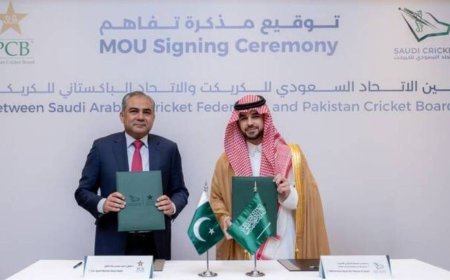
According to Iran’s state broadcaster IRIB, Tehran’s response — delivered through Pakistani mediators — focused on ending the war “on all fronts, especially Lebanon,” where Israel continues fighting Iran-backed Hezbollah, and on ensuring maritime security.
The response provided few specifics, though the US proposal reportedly centred on extending the Gulf truce to create space for negotiations over a final settlement and Iran’s disputed nuclear programme.
In an interview with CBS’s “60 Minutes” to be aired later Sunday, Netanyahu said Iran’s enriched uranium stockpile must be removed before the war could end.
“It’s not over, because there’s still nuclear material — enriched uranium — that has to be taken out of Iran. There’s still enrichment sites that have to be dismantled,” he said.
Netanyahu added that Trump shared the same position on removing the uranium, although the US president recently said Washington could seize it “whenever we want” and that its location was “very well surveilled.”
Trump is also expected to discuss Iran with Chinese President Xi Jinping during his upcoming visit to Beijing, according to a senior US administration official. China remains one of the largest buyers of Iranian oil.
Meanwhile, The Wall Street Journal reported, citing informed sources, that Iran had proposed diluting part of its highly enriched uranium stockpile while transferring the remainder to a third country.
The report said Tehran requested guarantees that the uranium would be returned if negotiations collapsed or if Washington later withdrew from the agreement. Trump, however, did not mention these details while rejecting Iran’s response.
Iran had imposed a blockade on the strategic Strait of Hormuz earlier in the war, triggering sharp rises in global oil prices and unsettling financial markets.
Tehran has since introduced a toll system for vessels crossing the strait, while US officials insist it would be unacceptable for Iran to control a key international shipping route that handles roughly one-fifth of global oil supplies.
At the same time, the US Navy has continued blockading Iranian ports, occasionally diverting or disabling vessels travelling to and from them.
Britain and France are reportedly working to form an international coalition to secure the Strait of Hormuz after a peace agreement is reached, with both countries already sending vessels to the region.
Iran on Sunday warned that any deployment by the two countries would prompt “a decisive and immediate response.”
“Only the Islamic Republic of Iran can establish security in this strait and it will not allow any country to interfere in such matters,” Deputy Foreign Minister Kazem Gharibabadi posted on X.
French President Emmanuel Macron later said Paris had “never envisaged” deploying naval forces in Hormuz, but was instead considering a security mission “coordinated with Iran.”
What's Your Reaction?