

































Pakistan continues efforts to narrow differences between the United States and Iran despite the collapse of direct talks
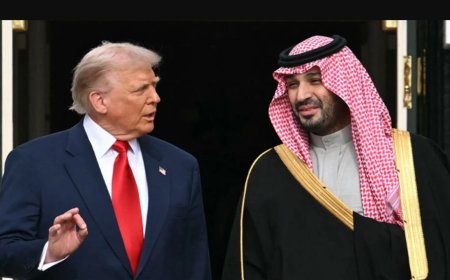
“If Iran wants to engage, it can either approach us directly or get in touch by phone,” Trump said.

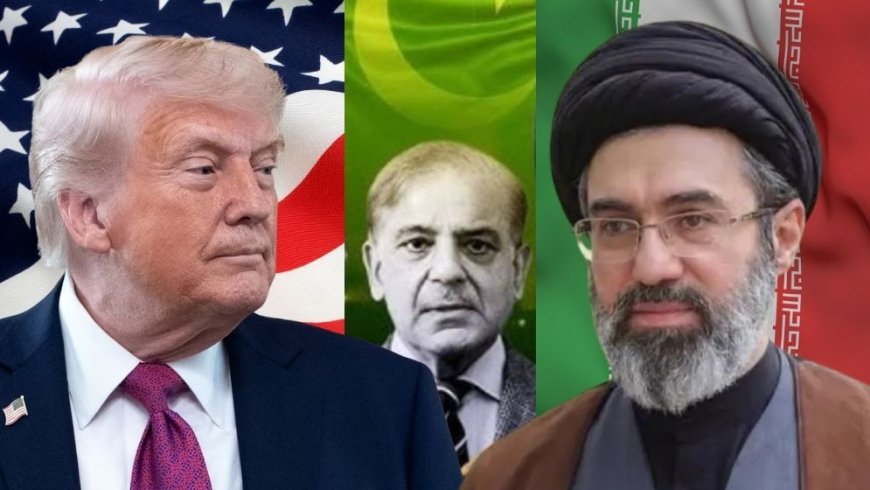
Pakistan is continuing efforts to mediate between the United States and Iran despite the breakdown of direct talks, sources said, after Donald Trump cancelled a planned visit by his envoys and suggested Tehran should make contact when ready for a deal.
Iranian officials revealed a new proposal that prioritises ending the war and easing tensions over Gulf shipping before addressing broader issues, including Tehran’s nuclear programme, at a later stage. However, the approach is unlikely to satisfy Washington, which insists nuclear concerns must be resolved upfront.
Prospects for renewed diplomacy dimmed after the U.S. president scrapped Saturday’s trip by his envoys Steve Witkoff and Jared Kushner to Islamabad, where Iranian Foreign Minister Abbas Araqchi had been shuttling over the weekend. Araqchi, who also travelled to Oman, arrived in Russia on Monday for talks with President Vladimir Putin, a longstanding ally.
With both sides still far apart—particularly on Iran’s nuclear ambitions and access through the Strait of Hormuz—oil prices climbed again when markets reopened, with Brent crude rising about 2.5% to roughly $108 a barrel.
“If they want to talk, they can come to us, or they can call us,” Trump told Fox News, reiterating that any agreement must ensure Iran does not obtain a nuclear weapon.
According to Iranian sources, Tehran’s proposal outlines a phased approach: first, a halt to the U.S.-Israeli war and guarantees against renewed hostilities; next, resolving the U.S. blockade and reopening the Strait of Hormuz under Iranian oversight; and only afterward, broader negotiations including the nuclear issue, with Iran seeking recognition of its right to enrich uranium for civilian use.
In Islamabad, signs of stalled diplomacy were evident as the capital reopened after a week-long lockdown imposed in anticipation of talks that never materialised. A luxury hotel reserved as a venue has resumed normal operations. Pakistani officials said discussions are continuing remotely, with no plans for in-person meetings until a preliminary agreement is within reach.
“The draft will be negotiated remotely until some consensus is achieved,” a Pakistani source familiar with the process said.
Washington maintains that preventing Iran from acquiring a nuclear weapon remains its primary objective, demanding Tehran surrender its stockpile of highly enriched uranium and halt further enrichment—conditions Iran rejects.
Although a ceasefire has paused U.S.-Israeli strikes on Iran since February 28, no agreement has been reached to formally end the conflict, which has killed thousands, driven up oil prices, and heightened global economic uncertainty.
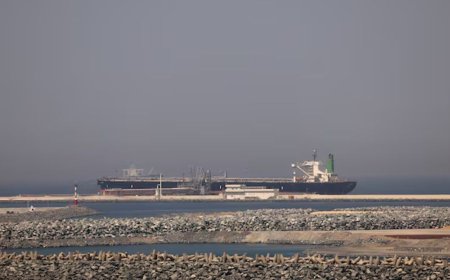
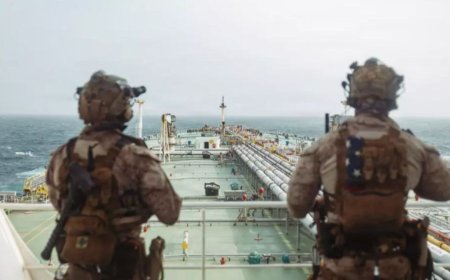
Both sides appear braced for a prolonged standoff, testing each other’s tolerance for economic pressure. Iran has restricted most shipping through the Strait of Hormuz since the conflict began, while the United States has imposed a counter-blockade on Iranian vessels—measures Tehran says must be lifted before negotiations can proceed.
Trump, facing declining approval ratings, is under growing domestic pressure to end the war. Meanwhile, Iran retains leverage through its ability to disrupt a key global oil route that typically handles about a fifth of the world’s supply.
While Araqchi held talks in Islamabad, Trump, speaking in Florida, said he had cancelled his envoys’ trip due to excessive travel costs and what he described as an insufficient Iranian offer. Iranian officials had already downplayed the likelihood of any direct meeting with U.S. representatives.
Elsewhere, violence escalated in Lebanon, where Israeli strikes killed 14 people and injured 37 in the south on Sunday, marking the deadliest day since a U.S.-brokered ceasefire in mid-April. Iran has said broader negotiations cannot proceed unless the truce in Lebanon holds.
Israel and Hezbollah have accused each other of breaching the ceasefire, originally agreed in Washington and extended last week. Israeli forces have ordered mass evacuations from several villages and continued operations against what they describe as Hezbollah positions, as explosions and plumes of smoke were seen across southern Lebanon.
What's Your Reaction?