








































































Kidneys in silent mode: early warning signs you shouldn’t ignore
Kidneys in silent mode: early warning signs you shouldn’t ignore

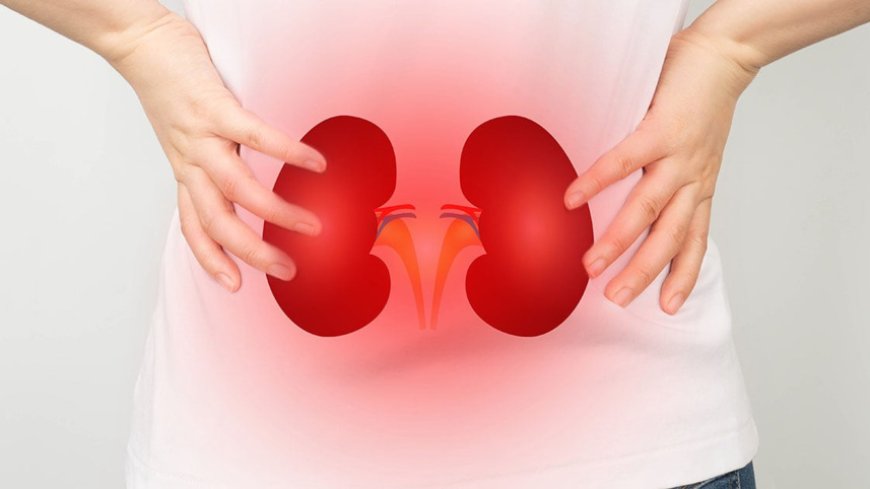
You wake up exhausted, reach for a second cup of coffee, skip water because of work deadlines or classes, and scroll through your phone while grabbing instant noodles or something greasy for breakfast. Sounds like a routine morning, right? But for your kidneys, it’s a quiet warning sign. They may be wearing down in silence.
Most young adults—and even many older people—rarely think about their kidneys unless something goes seriously wrong. That’s where the danger lies. Kidney damage is often silent and slowly progressive. Unlike a sprained ankle or a fever, the kidneys don’t send urgent alarms.
Working quietly around the clock, the kidneys filter blood, balance fluids, remove waste and regulate blood pressure. They also maintain electrolyte balance, which is vital for the normal function of the brain, heart, nerves and muscles. When early signals are ignored, a person can unknowingly move toward chronic kidney disease (CKD), increased strain on the heart and life-altering outcomes such as dialysis—now an increasingly common health challenge.
The early “whispers” are easy to overlook: mild swelling around the eyes or ankles, slightly foamy urine, frequent or painful urination, unexplained fatigue, dull back pain or recurring headaches. Many dismiss these as stress, lack of sleep or too much caffeine, but they are often signs that the body’s filtration system is under pressure.
The causes are frequently rooted in lifestyle—chronic dehydration from not drinking enough water; high salt or sugar intake; reliance on processed and fast foods; energy drinks; excessive use of over-the-counter painkillers such as paracetamol or ibuprofen; and long periods of physical inactivity. Conditions like high blood pressure, obesity and diabetes can worsen the problem, silently speeding up kidney damage without obvious warning.
The stakes are high because the kidneys are closely linked to nearly every vital system. When they fail to function properly, the heart is strained, blood pressure rises, toxins accumulate and even brain function can be affected. The encouraging truth, however, is that much of this damage is preventable or manageable if detected early.
Simple daily habits—drinking adequate water, eating balanced meals, exercising for at least 30 minutes a day, avoiding unnecessary self-medication and regularly monitoring blood pressure—can significantly reduce the risk of kidney disease. Routine check-ups with basic blood and urine tests can identify kidney stress long before it becomes irreversible.
Kidneys don’t shout; they whisper. Too often, people only listen when it’s too late. Awareness, small lifestyle changes and attention to subtle bodily signals can help protect these silent yet essential organs. Early detection and proper management of kidney disease are key to slowing its progression and preventing life-threatening complications.
What's Your Reaction?