














































Middle East tensions pose risks to Bangladesh’s energy-reliant sectors
Economists warn that a prolonged conflict could drive up fuel prices, disrupt production, and delay exports in key sectors such as RMG, steel, and ceramics.


Rising tensions in the Middle East are heightening global energy concerns, creating potential risks for Bangladesh’s energy-import-dependent industries, including ready-made garments (RMG), textiles, steel, cement, ceramics, and light engineering.
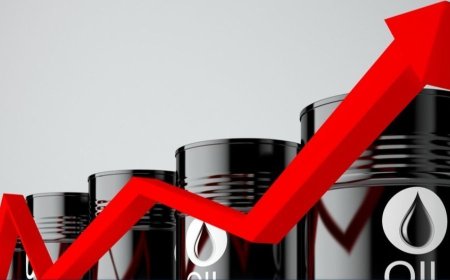
Economists and industry leaders warn that any prolonged disruption to oil and gas supplies amid the ongoing conflict involving the United States, Israel, and Iran could push up energy prices, increase production costs, and place additional strain on Bangladesh’s foreign exchange reserves.
Bangladesh relies heavily on imported fuel — such as crude oil, refined petroleum, and liquefied natural gas (LNG) — to meet its growing energy demand.
A sharp rise in global energy prices or disruptions to major shipping routes could affect factory operations and electricity generation, potentially leading to power shortages or higher utility tariffs.
Energy disruption affecting multiple sectors
Industrialists say supply disruptions are already affecting several stages of the production chain.
Speaking to Daily Sun, Bangladesh Chamber of Industries (BCI) President Anwar-ul-Alam Chowdhury (Parvez) said interruptions in energy supply are impacting manufacturing sectors ranging from textiles and steel to cement, light engineering, agriculture, and small and medium enterprises.
“The ongoing war will intensify challenges for remittance inflows and exports. To ensure food security and protect employment, the government must prioritise a stable energy supply for industries,” he said.
Anwar-ul-Alam also suggested utilising coal-based power plants during the current oil and gas uncertainty to help export-oriented industries remain competitive. He warned that higher energy prices would raise business costs and weaken Bangladesh’s competitiveness in global markets.
RMG sector fears shipment delays
The RMG sector, which generates more than 80% of Bangladesh’s export earnings, could be particularly vulnerable.
Garment factories depend on uninterrupted electricity and gas supplies to maintain production schedules and meet strict delivery deadlines set by international buyers.
Any disruption to energy supply or spike in utility costs could slow production, delay shipments, and place additional pressure on exporters already dealing with rising raw material prices and uncertain global demand.
BGMEA President Mahmud Hasan Khan told Daily Sun that increased load shedding has already affected factory production.
“However, some factories are now able to collect oil from nearby petrol pumps after discussions with the Bangladesh Petroleum Corporation (BPC),” he said.
BGMEA Director Faisal Samad said the conflict has created uncertainty in foreign trade, particularly for garment exports.
“One of my shipments was delayed in reaching Chattogram port because the truck could not refuel diesel at petrol pumps,” he said.
He added that BGMEA has recently written to the energy ministry requesting permission for factory owners to purchase 200–500 litres of fuel from nearby petrol pumps, based on recommendations from the association, to keep factories operating.
Although no shipments are currently stuck at airports or seaports, exporters fear delays if the conflict continues.
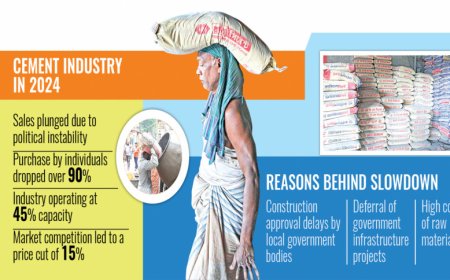
Steel and cement sectors under pressure
Real estate developers claim that some traders have begun raising rod prices through syndicates, citing the Iran conflict as a pretext. On Monday alone, prices reportedly increased by nearly Tk10,000 per tonne.
Bangladesh Steel Manufacturers Association (BSMA) Secretary General Dr Sumon Chowdhury said the industry is already struggling with insufficient gas and electricity supplies, which have disrupted production.
“We are also facing difficulties delivering products to districts because trucks cannot refuel frequently,” he said.
“Previously, a truck could make five to six trips, but now it often manages only one due to fuel shortages, which has significantly increased transportation costs.”
Ceramic industry facing weaker demand
The ceramic industry is also feeling the impact. Bangladesh Ceramic Manufacturers and Exporters Association (BCMEA) President Moynul Islam said consumer demand has recently declined amid uncertainty over the global situation.
“We are facing problems delivering products because of a shortage of transport vehicles,” he said.
He added that factories in Habiganj and Bhola are receiving pipeline gas, but those in Gazipur and Savar are facing difficulties because they depend on imported gas.
Moynul, who is also vice chairman of Monno Ceramic Industries Ltd, warned that prolonged conflict could further disrupt global trade.
“Tableware exporters are already facing greater challenges. If the war continues, business difficulties will intensify in the coming days,” he said.
Experts call for policy action
Economist Masrur Reaz, chairman and CEO of Policy Exchange Bangladesh, said the country is at a “critical juncture” and needs a 100-day roadmap to stabilise the macroeconomy, ensure sustainable energy supply, and strengthen export competitiveness.
He recommended reducing gas system losses, accelerating renewable energy development, ensuring policy stability, and enforcing mandatory energy-efficiency measures in industries.
Bangladesh currently imports about 60–70 lakh tonnes of fuel annually, much of it from the Middle East.
Diesel imports through the Numaligarh Refinery pipeline in India are capped at 1.80 lakh tonnes in 2026 under an agreement with the Bangladesh Petroleum Corporation.
With rising energy costs and supply uncertainty threatening production and exports, industry leaders warn that prolonged geopolitical tensions could significantly heighten economic risks for Bangladesh’s key industrial sectors.
What's Your Reaction?