





































































Iran and Oman are considering introducing toll charges for ships transiting the Strait of Hormuz
The roughly 34-kilometre-wide strait lies within the territorial waters of both Oman and Iran, yet it is widely recognised as an international waterway.

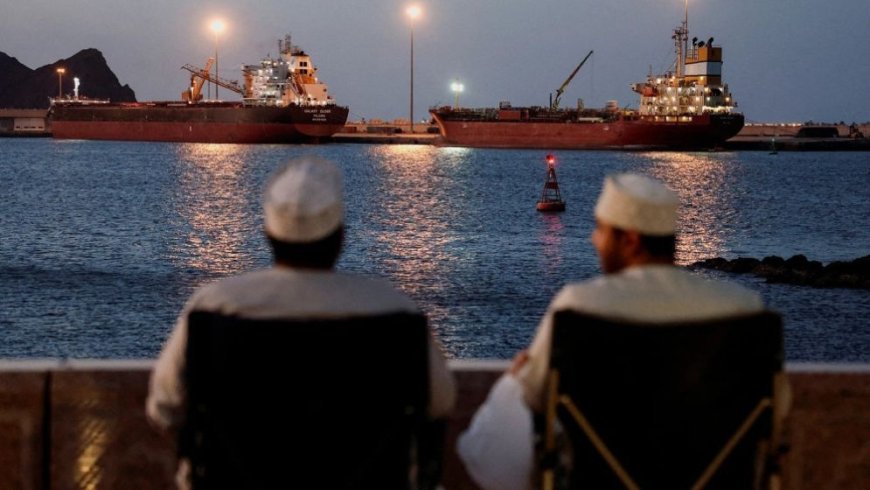
A proposed two-week ceasefire between the United States and Iran includes a provision that would allow Iran and Oman to impose transit fees on vessels passing through the Strait of Hormuz—the narrow gateway to the Persian Gulf that handles about one-fifth of global oil shipments.
The roughly 34-kilometre-wide strait lies within the territorial waters of both countries but has long been treated as an আন্তর্জাতিক waterway, with neither side previously charging tolls.
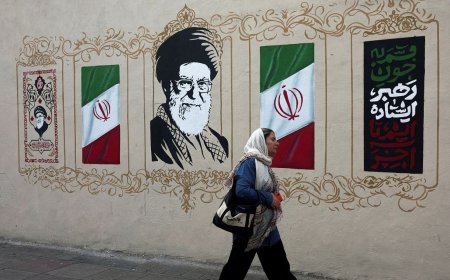
According to the Associated Press, Iranian officials said the revenue would be directed toward post-war reconstruction, as the conflict has inflicted extensive damage on the country’s defence, administrative, and civilian infrastructure.
Washington and Tehran agreed to the ceasefire early Wednesday, bringing an end to the 40-day conflict. As part of the arrangement, Iran has conditionally agreed to reopen the crucial waterway, which had effectively been shut since hostilities began on 28 February. The disruption—marked by attacks on vessels—had driven global oil prices sharply higher.
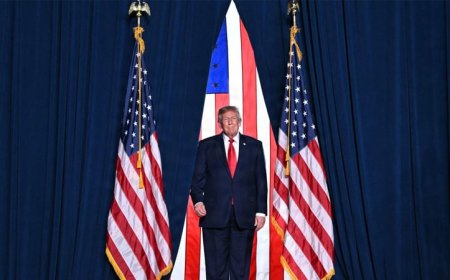
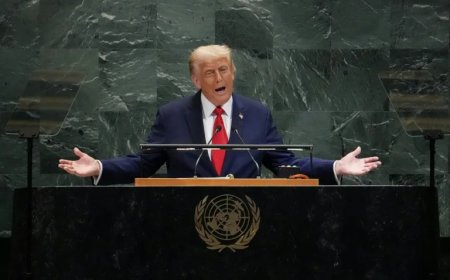
Further talks on the future of the Strait of Hormuz and broader peace arrangements are expected during upcoming negotiations between the United States and Israel in Islamabad on Friday. Commenting on the deal, US President Donald Trump said Iran had submitted a 10-point proposal that offered a “workable basis” for negotiations, adding that he expected a final agreement to be reached within the two-week window.
“We received a 10-point proposal from Iran, and believe it is a workable basis on which to negotiate. Almost all of the various points of past contention have been agreed to between the United States and Iran, but a two-week period will allow the agreement to be finalised and consummated,” he said, without elaborating on the details.
Reuters reported that the proposed transit fee would vary depending on vessel type, cargo, and prevailing conditions. Iran’s Deputy Foreign Minister Kazem Gharibabadi said Tehran was working with Oman to draft a protocol, emphasising that the aim was to regulate rather than restrict maritime passage.
However, several Gulf states, including the United Arab Emirates and Qatar, have opposed the idea, stressing the importance of free navigation and suggesting that discussions on financial arrangements should be deferred.
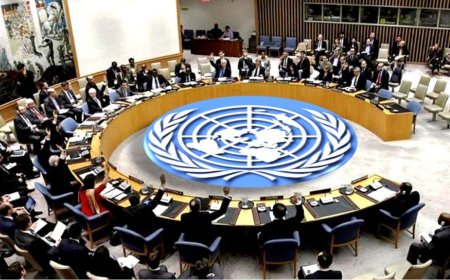
Under the United Nations Convention on the Law of the Sea (UNCLOS), which governs international maritime conduct, countries bordering strategic straits cannot charge fees solely for passage. They may, however, levy limited charges for specific services such as piloting, tug assistance, or port use, provided these are applied without discrimination.
What's Your Reaction?