



































































Middle East tensions spark anxiety among 5 million expatriate families
Middle East tensions spark anxiety among 5 million expatriate families

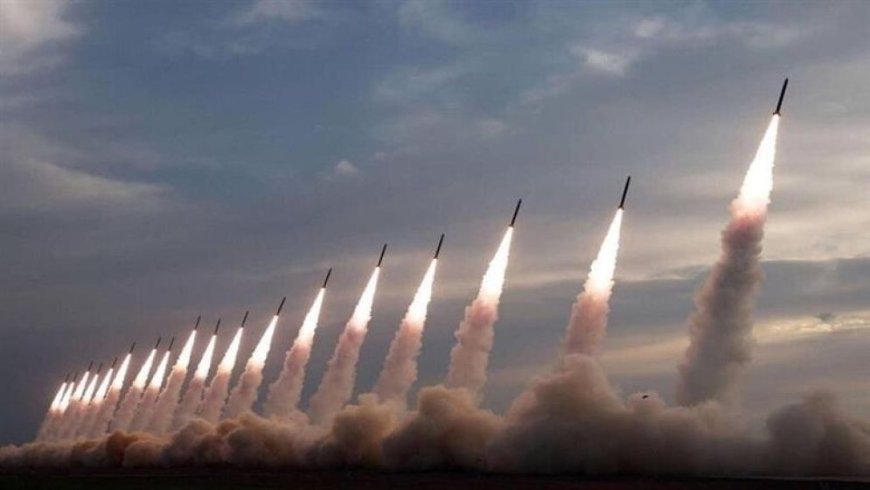
Widespread anxiety has engulfed nearly 50 lakh Bangladeshi expatriates and their families as tensions resembling a war continue to escalate across the Middle East.
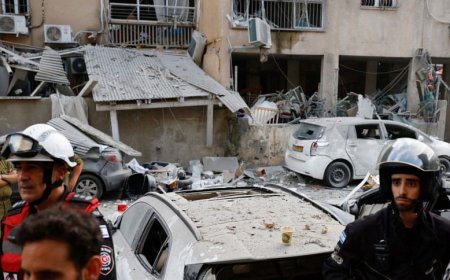
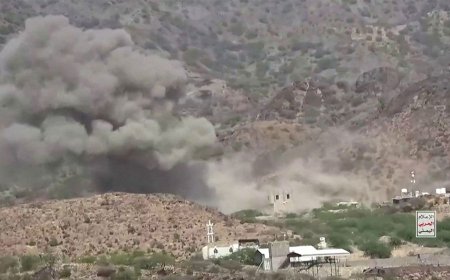
Missile strikes have reportedly hit countries such as Saudi Arabia, Qatar, the United Arab Emirates, Kuwait, and Bahrain at unpredictable intervals. Air travel to and from these nations has been severely disrupted, with flights largely suspended, while authorities are repeatedly advising residents to remain indoors for safety.
An estimated 50 lakh Bangladeshis are currently residing in these countries. Many are living in fear and uncertainty, with limited or no work available, and growing concerns over their personal safety.
Back in Bangladesh, their families are equally distressed, unsure about the well-being and return of their loved ones. As a result, the upcoming Eid has lost much of its festive spirit for many. Sources said that since February 28, hundreds of domestic and international flights have been cancelled amid the conflict involving Iran, the United States, and Israel.
So far, seven Bangladeshis have reportedly been killed—one each in Bahrain, Dubai, Kuwait, and Iraq, and three in Saudi Arabia. Meanwhile, around 40,000 workers have been unable to travel to Middle Eastern countries over the past 18 days due to the ongoing flight disruptions.
Bangladesh’s overseas employment sector remains heavily reliant on the Middle East, with about 67 percent of migrants heading to Saudi Arabia, followed by Qatar, Kuwait, the UAE, and Jordan.
However, the current situation poses a serious threat to this labour market. Latifur Rahman, whose son works in Kuwait, said his son had planned to return home for Eid but could not due to the crisis. “We are living in constant fear. Explosions are occurring frequently in Kuwait. We are praying all the time. There is no joy of Eid for us this year,” he said.
According to the Bangladesh Bureau of Manpower, Employment and Training, 95,092 workers went abroad in January, followed by 65,629 in February. In the first 17 days of March, only 33,805 workers managed to leave the country, reflecting a sharp decline.
Shariful Hasan, associate director of migration programmes at BRAC, said, “Around 5 to 6 million Bangladeshis live in the Middle East, with nearly 30 million family members depending on them. It is natural that anxiety is widespread. If the conflict continues, it will affect both employment and remittance inflows.”
In a recent notice, the Ministry of Expatriates’ Welfare and Overseas Employment advised workers whose visas have expired or are nearing expiry while in Bangladesh to apply for renewals online or through their employers. Kuwait, Qatar, and the UAE have already extended certain visa durations by one month.
Officials noted that while some casualties have been reported, most workplaces remain operational. However, new migration has effectively come to a standstill, and many workers are unable to either leave for jobs or return home for Eid.
Recruiting agencies said hundreds of workers have been stranded in recent weeks despite paying for flight tickets in advance, leaving them uncertain about visa validity and facing potential financial losses.
Migration experts warned that prolonged conflict could severely impact the labour market, leading to business closures and job losses, and potentially forcing many expatriates to return home.
Leaders of the Bangladesh Association of International Recruiting Agencies (BAIRA) said ongoing flight suspensions have disrupted travel to key destinations, including Saudi Arabia, Kuwait, Qatar, Jordan, and the UAE. They urged the government to intensify diplomatic efforts to secure visa extensions for affected workers.
What's Your Reaction?