































































Oil prices rise as the Strait of Hormuz remains closed ahead of Trump’s deadline
Oil prices rise as the Strait of Hormuz remains closed ahead of Trump’s deadline


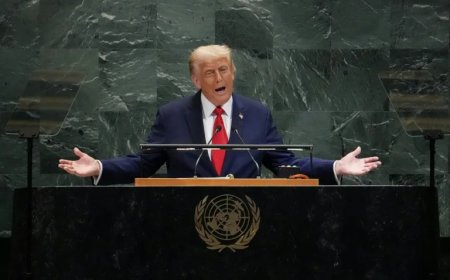
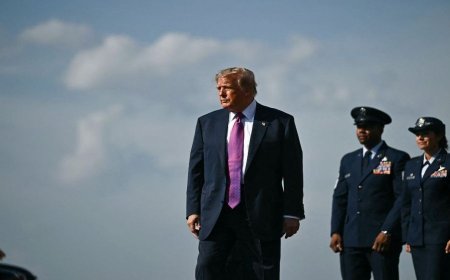
Oil prices extended their gains on Tuesday as a U.S.-set deadline approached for Iran to reopen the Strait of Hormuz, with Donald Trump warning of potential strikes on Iranian infrastructure if Tehran fails to comply.
Brent crude rose $1.74, or 1.6%, to $111.51 a barrel by 0530 GMT, while U.S. West Texas Intermediate gained $3.45, or 3.1%, to $115.86.
Trump warned of severe consequences for Tehran if it does not meet the 8 p.m. EDT Tuesday deadline to reopen the strait—a vital route for roughly one-fifth of global oil shipments—should negotiations fail.
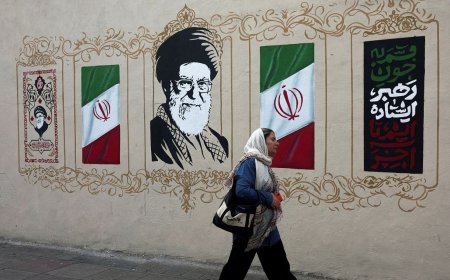
Iran, responding to a U.S. proposal conveyed through Pakistan, rejected a ceasefire, insisting instead on a permanent end to the conflict and resisting pressure to reopen the waterway.
According to Priyanka Sachdeva, senior market analyst at Phillip Nova, Iran’s stance has kept tensions high and diplomacy fragile. She noted that ongoing attacks on energy and shipping assets are sustaining oil prices, with concerns that infrastructure damage could disrupt supply for months.
Exports from several Gulf producers have already plunged due to restricted flows through the strait, which Iran effectively shut following U.S. and Israeli strikes that began on February 28.
Tim Waterer, chief market analyst at KCM Trade, said market focus has shifted toward the deadline itself, with uncertainty weighing heavily. While a ceasefire could trigger a price pullback, ongoing supply risks are supporting prices.
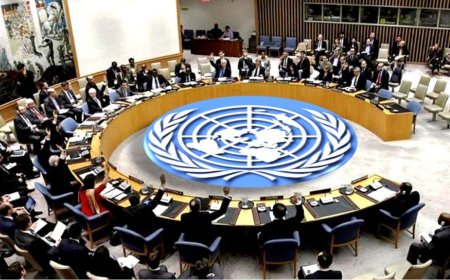
The United Nations Security Council is expected to vote on a resolution to safeguard commercial shipping in the strait, though the measure has been diluted after opposition from China to authorizing force.
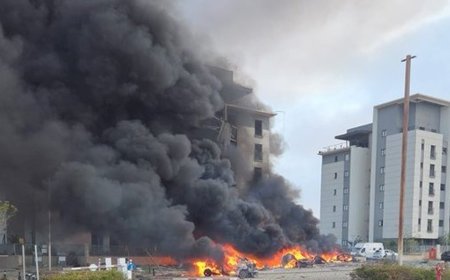
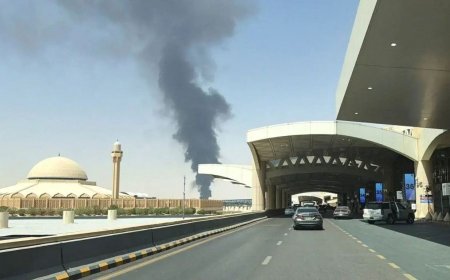
Meanwhile, regional tensions remain high. Explosions were reported in Damascus as Israeli defenses intercepted Iranian missiles, according to Syrian state media. Saudi Arabia also said it intercepted seven ballistic missiles targeting its Eastern Region, with debris landing near energy facilities.
The conflict has tightened global crude supply, pushing spot premiums for U.S. crude to record levels as refiners in Asia and Europe seek alternative sources amid disrupted Middle Eastern flows.
State oil giant Saudi Aramco raised the official selling price of its Arab Light crude to Asia for May delivery to a record premium of $19.50 per barrel above the Oman/Dubai benchmark.
Adding to supply concerns, Russia reported that Ukrainian drone attacks damaged infrastructure at the Caspian Pipeline Consortium terminal, which handles about 1.5% of global oil supply.
Although OPEC+ agreed to increase output quotas by 206,000 barrels per day in May, the boost is expected to have limited impact as export constraints linked to the strait’s closure continue to hinder supply.
What's Your Reaction?