



































Trump Says Iran Deal ‘Largely Negotiated,’ Includes Reopening of Strait of Hormuz
Trump Says Iran Deal ‘Largely Negotiated,’ Includes Reopening of Strait of Hormuz

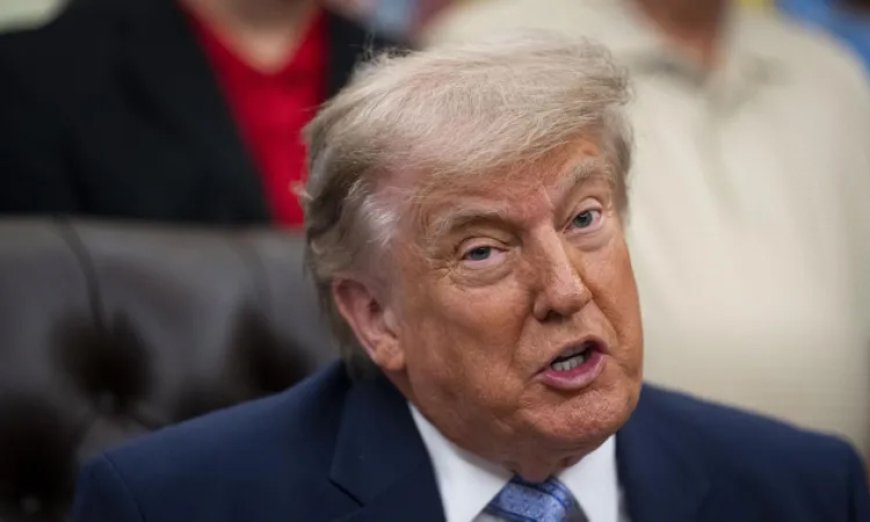
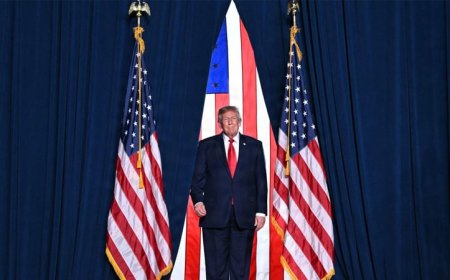
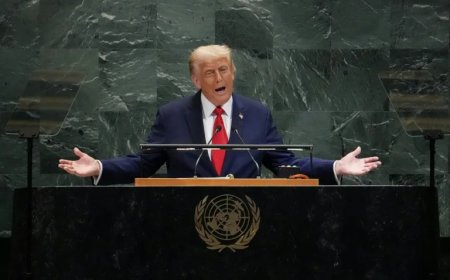
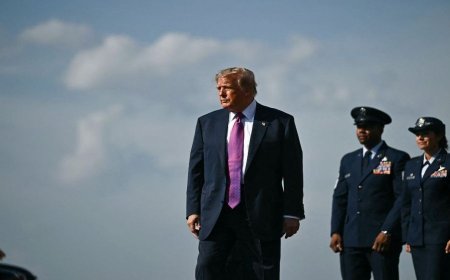
US President Donald Trump said Saturday that a deal with Iran had been “largely negotiated,” with the proposal including the reopening of the strategically vital Strait of Hormuz, although the agreement remained “subject to finalization.”
“An agreement has been largely negotiated, subject to finalization between the United States of America, the Islamic Republic of Iran and various other countries,” Trump wrote on his Truth Social platform, naming several Middle Eastern nations along with Turkey and mediator Pakistan.
“In addition to many other elements of the agreement, the Strait of Hormuz will be opened,” he added.
Trump said leaders from Saudi Arabia, United Arab Emirates, Qatar, Egypt, Jordan and Bahrain joined a call on Saturday to discuss the deal.
He also revealed that he held a separate conversation with Israeli Prime Minister Benjamin Netanyahu, saying the discussion “went very well.”
“Final aspects and details of the deal are currently being discussed and will be announced shortly,” Trump said.
His upbeat remarks came despite Iranian officials cautioning that significant differences still remained between the two sides and stressing that Tehran’s nuclear programme would not be part of the initial talks. Iranian officials said they were finalising a 14-point framework agreement.
Iranian foreign ministry spokesman Esmaeil Baqaei acknowledged what he described as “a trend towards rapprochement,” but warned that “it does not necessarily mean that we and the United States will reach an agreement on the important issues.”
“Our intention was first to draft a memorandum of understanding, a kind of framework agreement composed of 14 clauses,” he said on state television.
Baqaei added that details of a final agreement could potentially be settled “within a reasonable timeframe between 30 to 60 days” after the framework is completed.
Earlier, Iran’s chief negotiator Mohammad Bagher Ghalibaf warned that Washington would face a severe response if hostilities resumed, following reports of possible new US strikes and Iranian accusations that Washington was making “excessive demands.”
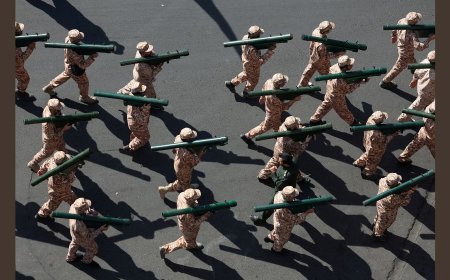
“Our armed forces have rebuilt themselves during the ceasefire period in such a way that if Trump commits another act of folly and restarts the war, it will certainly be more crushing and bitter for the United States than on the first day of the war,” Ghalibaf said.
He made the remarks after meeting in Tehran with Pakistan’s army chief Asim Munir, who has played a key role in diplomatic efforts to end the conflict that erupted after US and Israeli attacks on Iran on February 28.
Despite weeks of negotiations, including rare face-to-face talks hosted in Islamabad, the parties have yet to reach a permanent settlement or fully restore access to the Strait of Hormuz, a key route for global oil shipments.
The prolonged uncertainty has left many Iranians anxious about the future.
“The state of neither war nor peace is far filthier than war itself,” 39-year-old Tehran resident Shahrzad told AFP.
“I’m about to start a new job, and I’m scared war might break out again — that I’ll end up leaving the job like before, running off to another city out of fear,” she said.
Iranian Foreign Minister Abbas Araghchi told UN Secretary-General António Guterres during a phone call that Tehran remained engaged despite what he called Washington’s “repeated betrayals of diplomacy,” military aggression and contradictory demands.
Araghchi also held discussions with officials from Turkey, Iraq, Qatar and Oman, according to Iran’s IRNA news agency.
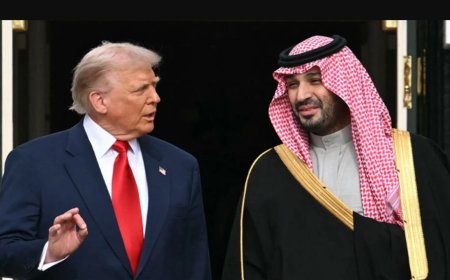
Meanwhile, Qatari Emir Tamim bin Hamad Al Thani spoke separately with Trump, UAE President Mohamed bin Zayed Al Nahyan and Saudi Crown Prince Mohammed bin Salman on Saturday.
A Qatari statement said the emir and the Saudi crown prince discussed efforts “aimed at calming the situation and promoting political solutions.”
On another front, Lebanese state media reported that Israel carried out strikes in southern Lebanon on Saturday, despite an April 17 ceasefire.
Lebanon’s military said one strike hit an army barracks in the south, wounding a soldier.
Israel also announced that one of its soldiers had been killed near the Lebanese border on Friday.
Iran-backed Hezbollah had entered the conflict on March 2 by launching rockets into Israel following US-Israeli strikes that killed Iran’s supreme leader.
Hezbollah said Saturday that its leader Naim Qassem had received a message from Araghchi assuring that Iran “will not give up its support” for the Lebanese group.
What's Your Reaction?