


































Iran buries Khamenei as fresh fighting erupts with US
Iran buries Khamenei as fresh fighting erupts with US
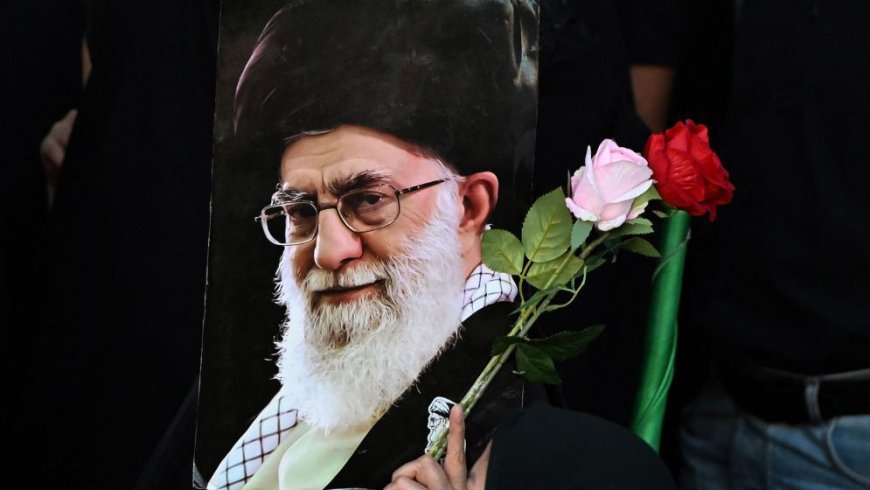
Iran buries Khamenei as renewed US-Iran attacks fuel fears of wider war
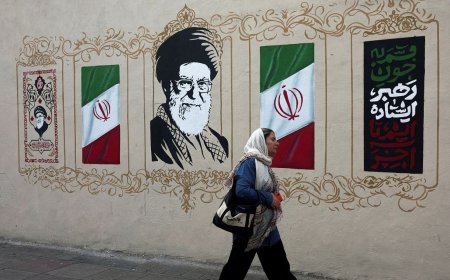
Iran on Friday buried its former supreme leader Ali Khamenei, more than four months after he was killed in an airstrike, as fresh exchanges of attacks between the United States and Iran heightened fears of a return to full-scale conflict.
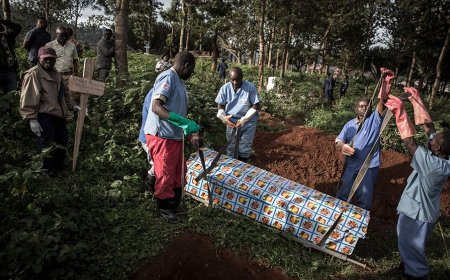
Khamenei's flag-draped coffin was carried into the Imam Reza shrine in his hometown of Mashhad in eastern Iran, where thousands gathered outside to attend prayers. There was no public appearance by his son and successor, Mojtaba Khamenei.
State broadcaster IRIB said the "body of the martyred leader of the Islamic Revolution was buried in the memorial hall of the shrine of Imam Reza."
The burial took place after a second consecutive day of retaliatory strikes between Washington and Tehran. Iranian officials said US attacks killed 17 people, while state media reported that one strike targeted a section of the railway linking Tehran and Mashhad.
Iran said it had resumed attacks on US assets in Kuwait, Bahrain and Qatar. Air raid sirens also sounded in Jordan, where the military said it intercepted eight missiles launched from Iran.
Khamenei was killed along with several close family members on 28 February, the opening day of the US-Israeli war against Iran.
His burial in Mashhad marked the final day of six days of funeral ceremonies and was closely watched for any public appearance by Mojtaba Khamenei, who has remained out of sight since being named supreme leader.
Parliament Speaker Mohammad Bagher Ghalibaf, who also serves as Iran's chief negotiator in talks with the United States, Chief Justice Gholamhossein Mohseni Ejei and Khamenei's eldest son, Mostafa Khamenei, attended the ceremony. State television showed senior officials mourning beside the coffin.
However, Mojtaba Khamenei was absent once again. Since his appointment, he has communicated only through written statements and is reportedly recovering from injuries sustained in the 28 February strikes.
Thousands of mourners dressed in black gathered in Mashhad, many chanting anti-US slogans and calling for retaliation against US President Donald Trump. AFP correspondents reported banners bearing messages in English, including: "Hey Trump we will kill you."
Meanwhile, The Wall Street Journal reported on Thursday, citing anonymous sources, that Israeli intelligence had informed the United States of a new alleged Iranian plot to assassinate Trump.
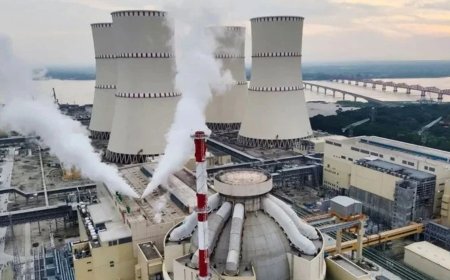
Iranian state media said the United States struck the perimeter of Iran's only civilian nuclear power plant in Bushehr on Thursday, citing the province's deputy governor. It also reported a separate projectile hit a military headquarters outside Bushehr. However, a US defence official denied that American forces were conducting strikes inside Iran at the time.
State media further reported that a US strike hit a section of the Tehran-Mashhad railway about 55 kilometres from Mashhad, temporarily suspending rail services and forcing passengers to continue their journeys by bus.
Iran's military said it targeted a Patriot missile system in Kuwait, an early warning system in Qatar and fuel storage facilities in Bahrain using drones as part of its campaign against US bases across the Gulf.
A US defence official said dozens of Iranian missiles and drones were intercepted or caused no significant damage, adding that no American personnel were injured.
Security surrounding Khamenei's funeral reflected heightened regional tensions, with footage published on the supreme leader's official website showing at least one fighter jet escorting the aircraft carrying his coffin to Mashhad.
The renewed hostilities come after Israel's war with Iran in June 2025 and this year's conflict. Speaking at a military ceremony on Thursday, Israeli Defence Minister Israel Katz warned that Israel was prepared to strike Iran "a third time" if necessary and vowed any future operation would be carried out "with even greater force."
Prime Minister Benjamin Netanyahu said Israel was preparing for all possible scenarios. His office confirmed that he spoke with President Trump on Thursday, during which the US leader updated him on American military actions in the Gulf.
The Strait of Hormuz remains a major flashpoint, with Tehran insisting on control of the strategic waterway despite it remaining open to international navigation before the war.
Iranian forces have struck at least three commercial vessels in recent days, prompting large-scale US attacks on Iranian targets beginning Tuesday.
According to maritime tracking firm Kpler, shipping traffic through the Strait of Hormuz has fallen sharply since Wednesday, particularly along the UN-backed Omani route, following the recent attacks on vessels.
What's Your Reaction?