




























US, Iran at Odds Over Nuclear Inspections and Frozen Assets in Efforts to Finalise War-Ending Deal
US, Iran at Odds Over Nuclear Inspections and Frozen Assets in Efforts to Finalise War-Ending Deal

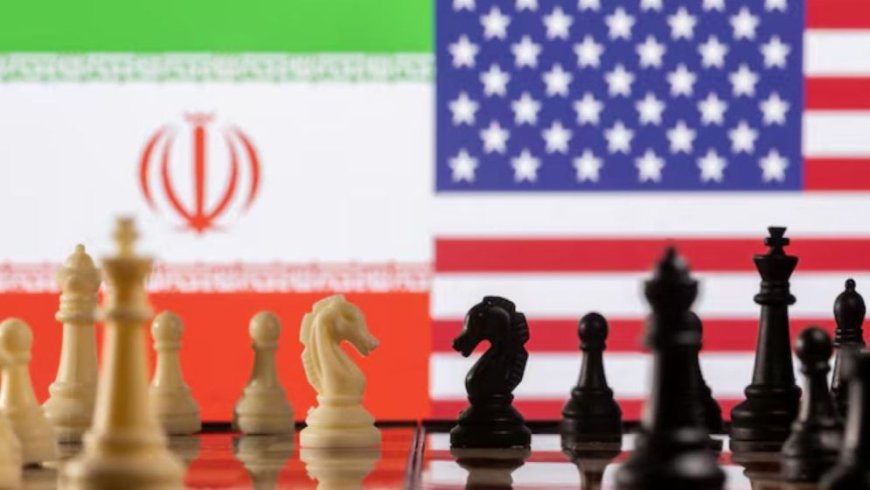
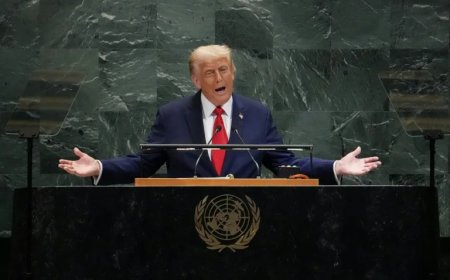
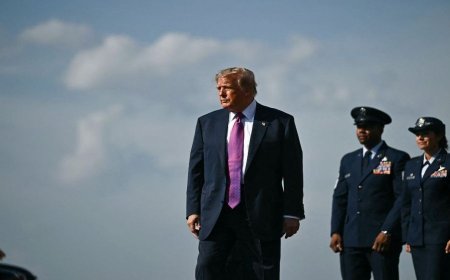
US President Donald Trump said on Tuesday that Iran had agreed to allow nuclear inspections indefinitely, a claim Tehran swiftly rejected, exposing deep disagreements that could threaten the durability of the fragile peace deal between the two countries.
The conflicting statements emerged after the first round of US-Iran talks in Switzerland concluded on Monday. Washington and Tehran also offered differing accounts regarding financial incentives for Iran, the future management of the Strait of Hormuz, and Israel’s parallel conflict in Lebanon—key components of the framework agreement signed last week to end the war.
Despite the disputes, Trump expressed optimism about the negotiations. “We’re getting along quite well,” he told supporters at a rally in Pennsylvania.
In a gesture seen as easing tensions, the United States relaxed travel restrictions on Iran’s World Cup football team, allowing players to travel from Tijuana, Mexico, to Seattle two days before their next match instead of one.
At home, however, support for the war appeared to be weakening. Trump’s approval ratings slipped, while the Republican-controlled Senate voted to halt the conflict, delivering a symbolic rebuke to the president and exposing divisions within his party.
A Reuters/Ipsos poll found that 35% of Americans believe the US is in a weaker position with Iran than before the war, compared with 23% who think Washington’s position has improved.
The Senate approved the measure by a 50-48 vote, endorsing a resolution already passed by the House of Representatives earlier this month. The move reflected growing concern, including among some Republicans, over the conflict that began on February 28.
It marked the first time both chambers of Congress had passed a War Powers Act resolution directing a president to withdraw US forces from hostilities, although the practical impact on the conflict remains uncertain.
Strait of Hormuz and maritime concerns
While prospects for a lasting peace remain unclear, the initial agreement has enabled shipping to resume through the Strait of Hormuz, a critical route that carries roughly one-fifth of the world’s energy supplies.
Oil prices fell on Tuesday to their lowest level since before the war began, while the United Nations’ shipping agency said it was working to evacuate around 11,000 seafarers stranded after Iran closed the strategic waterway.
Under the agreement, Iran has pledged to keep the strait open for 60 days, though officials in Tehran have indicated that tolls or transit fees could be introduced afterward.
Iran and Oman, which shares control of the waterway, issued a joint statement asserting their sovereign rights over the strait and pledging to cooperate in managing maritime traffic and related costs.
Oman also said it had coordinated with the International Maritime Organization to establish a temporary maritime corridor for vessels transiting the Strait of Hormuz.
US Secretary of State Marco Rubio, seeking to reassure Gulf allies concerned about the peace deal, said Iran would not be permitted to impose tolls under any final agreement.
The framework agreement calls for an immediate end to hostilities, including in Lebanon, the lifting of US sanctions on Iran, the release of frozen Iranian assets, and the creation of a US$300 billion reconstruction fund for the Islamic Republic.
Disputes over inspections and frozen assets
The framework itself places no restrictions on Iran’s nuclear programme, leaving that issue to be addressed during the 60-day negotiation period.
Trump said Iran had agreed to grant international inspectors unrestricted long-term access to its damaged nuclear facilities.
“Iran has fully and completely agreed to highest level nuclear inspections long into the future (Infinity!!!),” he wrote on social media.
Iran, however, denied that its nuclear programme had been discussed during the talks and said it had not agreed to readmit inspectors from the International Atomic Energy Agency.
The two sides also disagreed over the use of Iranian funds frozen abroad.
Trump said any released assets would be spent on purchasing food and medical supplies from the United States. Iran’s ambassador to the United Nations in Geneva, Ali Bahreini, countered that Tehran would independently decide how the money is used.
Washington has already agreed to suspend sanctions on Iran for 60 days, enabling the country to export oil and receive payments for its sales.
Lebanon remains a sticking point
Israel’s conflict with the Iran-backed Hezbollah movement in Lebanon continues to complicate negotiations.
Bahreini said the agreement requires Israel to withdraw its forces from Lebanon. Israel, however, insists it will maintain a security zone in southern Lebanon and continue operations to counter threats against its troops and citizens.
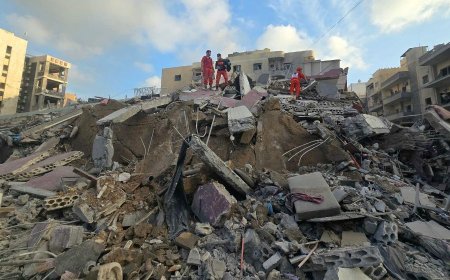
As Israeli and Lebanese officials resumed talks in Washington on Tuesday, violence persisted on the ground. Lebanese authorities said Israeli gunfire killed two people in southern Lebanon, prompting Hezbollah to accuse Israel of violating a ceasefire that has largely held since Sunday.
What's Your Reaction?