












































Pakistan’s army chief arrived in Tehran on Friday as Iran considered a new US peace proposal amid intensified diplomatic efforts to end the ongoing Middle East conflict
Pakistan’s army chief arrived in Tehran on Friday as Iran considered a new US peace proposal amid intensified diplomatic efforts to end the ongoing Middle East conflict

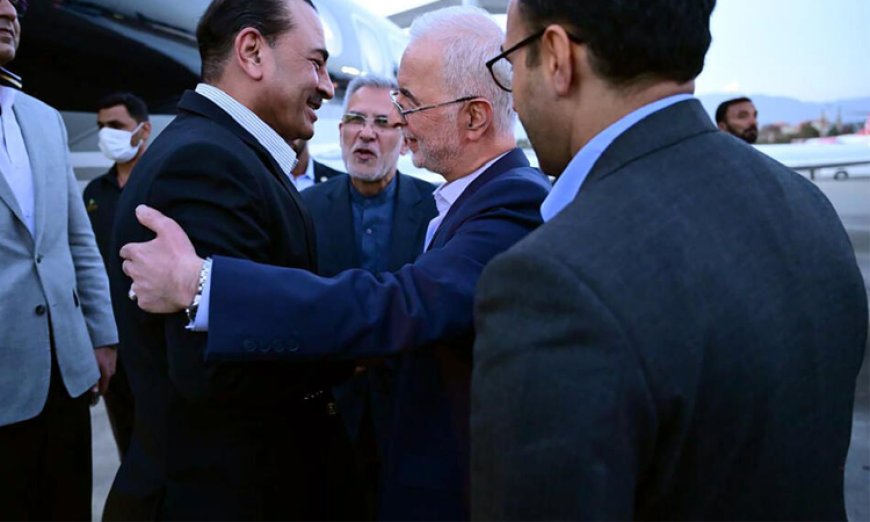
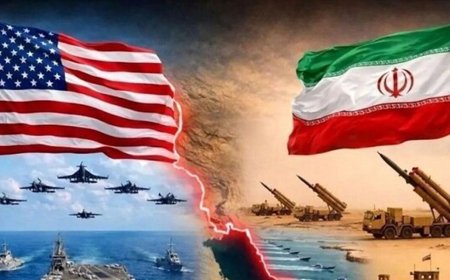
Pakistan’s powerful army chief arrived in Tehran on Friday as diplomatic efforts surrounding the Middle East conflict intensified, with Iran reviewing a new US peace proposal while cautioning that major disagreements still remain.
Iranian foreign ministry spokesman Esmaeil Baqaei said the visit did not indicate that “a turning point or decisive situation” had been reached.
According to Iran’s ISNA news agency, Baqaei said the differences between Iran and the United States remained “deep and extensive.”
Earlier, US Secretary of State Marco Rubio expressed optimism about possible progress toward ending the war, which began on February 28 following US-Israeli strikes on Iran.
Although an April 8 ceasefire halted open hostilities, negotiations — including rare direct talks held in Islamabad — have yet to secure a lasting settlement.
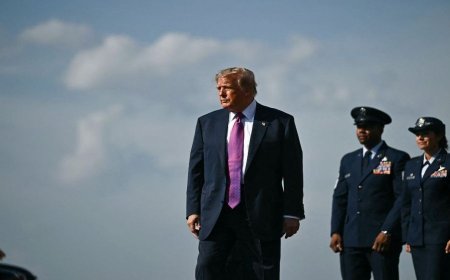
US President Donald Trump has described the intermittent negotiations as balancing on the “borderline” between an agreement and renewed conflict.
Pakistan’s military said Field Marshal Asim Munir had arrived in Tehran as part of ongoing mediation efforts.
He was received by Iran’s Interior Minister Eskandar Momeni and Pakistan’s Interior Minister Mohsin Naqvi.
Naqvi had earlier visited Iran for the second time in a week on Wednesday, where he met President Masoud Pezeshkian and Foreign Minister Abbas Araghchi.
Baqaei also confirmed that a Qatari delegation met Iran’s foreign minister on Friday.
“In recent days, many regional and non-regional countries have been trying to help end the war. However, Pakistan remains the official mediator,” he said.
Pakistan hosted the only direct US-Iran talks since the conflict began in April.
Munir played a key role during those discussions, welcoming both delegations and publicly engaging with US Vice President JD Vance.
However, the talks ended without success, with Iran accusing Washington of making “excessive demands.” Since then, both sides have continued exchanging proposals amid fears of renewed conflict.
Speaking on the sidelines of a NATO meeting in Sweden, Rubio said there had been “some progress” in negotiations but stressed that no agreement had yet been reached.
“We’re dealing with a very difficult group of people,” Rubio said, warning that Trump had “other options” if diplomacy failed.
Rubio added that Trump still preferred a negotiated solution but was increasingly concerned that an agreement “may not be possible.”
He also said European nations might need a “Plan B” to ensure access through the Strait of Hormuz if the conflict continued.
Iran effectively closed the strategic shipping route in response to the US-Israeli strikes, raising concerns over disruptions to global oil and gas supplies.
Despite ongoing tensions, financial markets reacted positively to renewed diplomacy efforts, with Wall Street posting gains and the Dow Jones closing at a second consecutive record high.
Oil prices, however, continued to rise amid fears that prolonged disruptions in the Strait of Hormuz could fuel inflation and further strain the global economy.
Meanwhile, European Union countries moved toward imposing sanctions on Iranian officials and others accused of obstructing maritime access through the strait.
Baqaei said discussions were also focused on Hormuz and the US blockade of Iranian ports.
“The issue of ending the war on all fronts, including Lebanon, is very important,” he added.
In Lebanon, Hezbollah entered the conflict after launching rocket attacks on Israel following the killing of Iran’s supreme leader in US-Israeli strikes.
Despite an April 17 truce, Israel has continued strikes, demolitions and evacuation warnings in southern Lebanon, saying it is targeting Hezbollah positions.
Lebanon’s state-run National News Agency reported that Israel carried out five airstrikes late Friday near the Syrian border in eastern Lebanon, targeting the Nabi Sreij area outside Brital.
The agency said the area had not previously been targeted since the ceasefire and that the strikes followed Israeli evacuation warnings in southern Lebanon.
Lebanon’s health ministry said Israeli attacks have killed at least 3,111 people since March 2.
The ministry added that Israeli strikes in the south on Friday killed 10 people, including six rescuers and a child.
The Israeli military separately announced a strike that killed two people in southern Lebanon.
On Thursday, the United States imposed sanctions on nine Hezbollah-linked individuals, including two Lebanese military officers, accusing them of obstructing Lebanon’s peace process.
What's Your Reaction?