































US looks to Pakistan mediation efforts to help secure an end to the Iran war
US looks to Pakistan mediation efforts to help secure an end to the Iran war

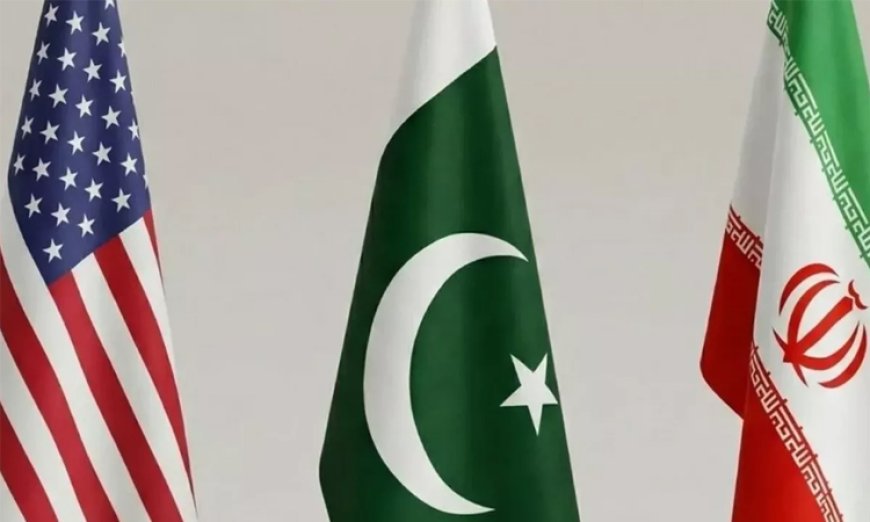
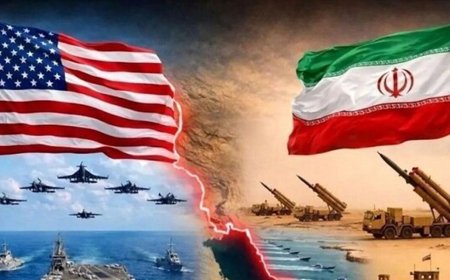
US Secretary of State Marco Rubio expressed optimism about progress toward ending the war with Iran, saying Pakistani mediators could help move negotiations forward.
Earlier remarks by US President Donald Trump suggested that weeks of intermittent negotiations aimed at permanently ending the conflict were hanging in the balance between a breakthrough and renewed military action.
“I believe the Pakistanis will be travelling to Tehran today. So hopefully that'll advance this further,” Rubio told reporters on Thursday.
A ceasefire reached on April 8 brought an end to the war launched weeks earlier by the United States and Israel, but repeated diplomatic efforts — including rare face-to-face talks hosted in Islamabad — have yet to produce a lasting agreement.
Pakistan’s Interior Minister Mohsin Naqvi, considered close to army chief Asim Munir, visited Iran for the second time in a week on Wednesday.
Iranian media outlets, including Iranian Students News Agency, reported citing unnamed sources that Munir himself could visit Tehran as early as Thursday, though Pakistani authorities have not confirmed any such plans.
Meanwhile, China announced that Pakistan Prime Minister Shehbaz Sharif will visit Beijing on Saturday, as China also remains engaged in mediation efforts to end the conflict.
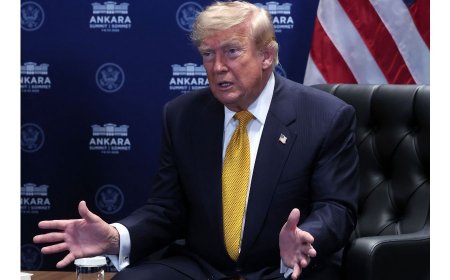
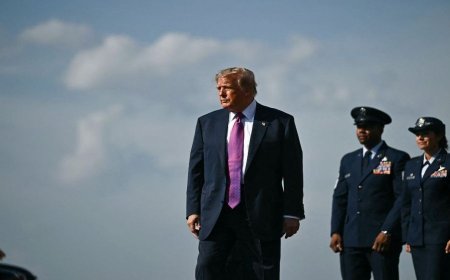
Trump told reporters on Wednesday that negotiations were “right on the borderline,” warning that if Tehran failed to provide the “right answers,” the situation could escalate rapidly. He added that a deal could emerge “very quickly” or “in a few days.”
Rubio also criticised NATO allies for declining to support the campaign against Iran, saying Washington was “very upset” by their refusal to contribute.
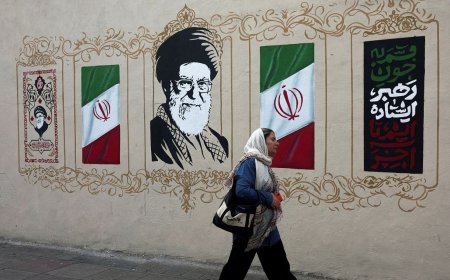
In Tehran, chief negotiator Mohammad Bagher Ghalibaf warned that Iran would respond forcefully to any renewed attack, accusing its adversaries of still pursuing military objectives despite mounting economic and political pressure.
Iran’s foreign ministry spokesman Esmaeil Baqaei said Tehran was reviewing proposals from Washington while reiterating demands for the release of frozen Iranian assets and an end to the US naval blockade.
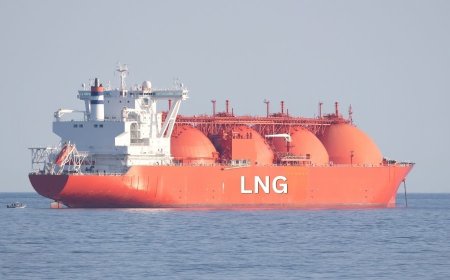
Although active fighting has subsided, the conflict continues to weigh heavily on the global economy. The Strait of Hormuz — through which roughly one-fifth of the world’s oil and liquefied natural gas passes — remains effectively restricted following Iran’s blockade during the war.
Iran’s newly established authority overseeing Hormuz claimed its control extends into Emirati waters, prompting strong criticism from the United Arab Emirates.
Elsewhere, Lebanese state media said an Israeli strike on Thursday damaged a hospital in southern Lebanon. Despite a truce that began on April 17, Israel has continued strikes and evacuation orders in the south, saying it is targeting Hezbollah positions.
Lebanon’s health ministry said Israeli attacks have killed at least 3,089 people in the country since March 2.
The United States on Thursday also imposed sanctions on nine Hezbollah-linked individuals accused of obstructing Lebanon’s peace process.
What's Your Reaction?