





























































Impact of War on Oil Market, Power and energy sector faces mounting strain from subsidy pressure
Impact of War on Oil Market Power and energy sector faces mounting strain from subsidy pressure.

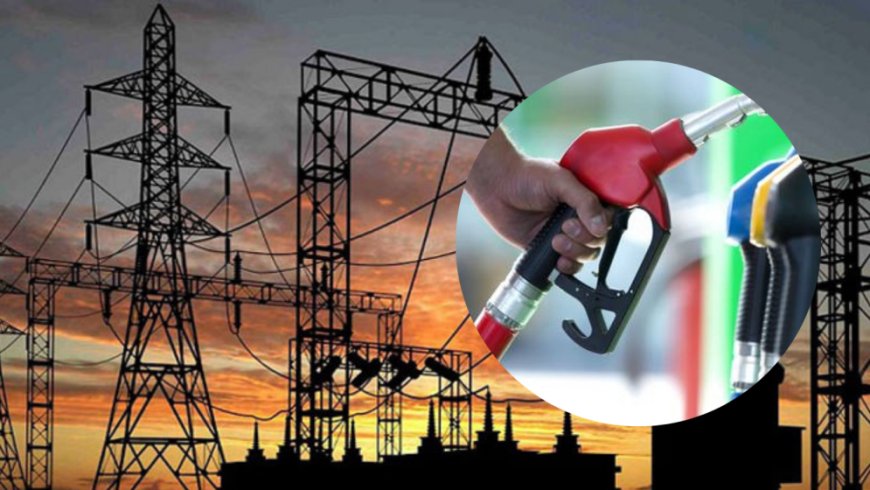
The ongoing conflict in the Middle East has triggered a sharp surge in global oil prices, putting significant pressure on Bangladesh’s power and energy sector. International crude prices jumped after tensions escalated among the United States, Israel, and Iran, raising fears of supply disruptions in global energy markets.
The price of Brent crude has climbed to about $108.77 per barrel, marking the biggest single-day rise since the COVID-19 pandemic in 2020. Oil prices have increased nearly 28 percent within a week, and analysts warn that they could reach $150 per barrel if the conflict continues.
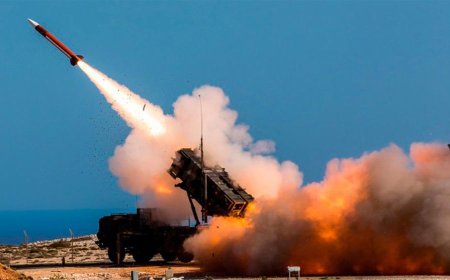
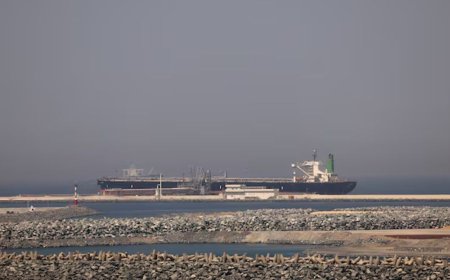
The surge follows joint airstrikes by the United States and Israel on several Iranian targets, including oil depots. Iran has since retaliated, fueling concerns about a broader regional conflict. Tensions have also disrupted shipping through the Strait of Hormuz, one of the world’s most critical energy corridors through which nearly 20 percent of global oil supply passes daily.
With shipping traffic slowing sharply, global oil markets have experienced sudden volatility. Analysts warn that damage to Iranian energy facilities could disrupt supply from the Middle East and drive energy costs even higher worldwide.
Impact on Bangladesh
The sharp increase in global fuel prices is already affecting oil-import-dependent economies like Bangladesh. Higher import costs are pushing up electricity generation expenses while expanding the government’s subsidy burden.
Officials from the Power Division say the Bangladesh Power Development Board (BPDB) currently owes around Tk460 billion to domestic and foreign companies, reflecting growing financial strain in the sector.
At the same time, the government faces pressure from the International Monetary Fund (IMF) to gradually reduce energy subsidies as part of its loan program, making policy decisions in the sector more complicated.
Heavy Dependence on Imported Energy
Bangladesh depends heavily on imported energy. Nearly 100 percent of crude oil used in the country is imported, mainly from Saudi Arabia and the United Arab Emirates, while refined petroleum products are sourced from China, Singapore, Malaysia, and Indonesia.
Domestic production remains limited. State-owned Eastern Refinery Limited (ERL) and several private refineries produce about 40 petroleum products, including petrol and octane, using condensate. However, their combined capacity of 1.6 million tons per year only meets a portion of the country’s demand.
Energy experts say expanding domestic refining capacity and providing policy support to local refineries could help Bangladesh better withstand future energy shocks.
Oil Prices Cross $100 Mark
Global oil prices have now crossed $100 per barrel for the first time since 2022. In Asian markets on Monday:
-
Brent crude rose 15.5 percent to $107.16 per barrel
-
NYMEX Light Sweet crude increased more than 17 percent to $106.77 per barrel
Prices surged rapidly, jumping 10 percent within a single minute and rising another 10 percent within the next 15 minutes. On March 9, Brent crude traded between $108 and $109 per barrel, while WTI crude approached $108, reflecting gains of roughly 18–19 percent.
Growing Concerns for the Economy
Analysts warn that if the Strait of Hormuz remains closed until the end of March, oil prices could exceed $150 per barrel, approaching historic highs. Such a scenario could trigger a global energy shock similar to the crises of the 1970s, leading to inflation, rising transport costs, and slower industrial production worldwide.
For Bangladesh, which imports 6–7 million tons of fuel annually, the impact could be severe. A $10 increase per barrel significantly raises the national import bill, while prices reaching $150 could add several billion dollars to fuel import costs and increase pressure on foreign exchange reserves.
The Bangladesh Petroleum Corporation (BPC) could face heavy losses unless domestic fuel prices are adjusted.
Pressure on the Power Sector
Bangladesh’s electricity sector may also face rising costs, as many power plants rely on furnace oil. Higher fuel prices would either require increased government subsidies or higher electricity tariffs.
Several countries have already raised fuel prices in response to rising global costs. Vietnam increased diesel and petrol prices by 21 percent, while Pakistan raised petrol prices by 20 percent to 320 rupees per litre. Petrol prices in the United States have also risen by about 10 percent within a week, while inflation concerns are mounting across Europe.
Government Response
Authorities in Bangladesh say fuel supplies remain stable despite global uncertainty. The government has introduced fuel rationing measures to manage demand during the crisis.
Energy Minister Iqbal Hasan Mahmud Tuku said the rationing would continue until the conflict subsides, although there are currently no immediate plans to increase fuel or electricity prices.
BPC Chairman Engineer Rezanur Rahman said Bangladesh typically secures fuel imports through six-month contracts, with supplies ensured until June. Imports from China, Malaysia, Singapore, and Indonesia are transported through routes not directly affected by the Iran conflict, and the country’s fuel reserves remain adequate.
Subsidy Challenges and Future Risks
Despite these assurances, financial pressure in the power sector continues to grow. In fiscal year 2024–25, subsidies for the power sector reached Tk620 billion, although the revised 2025–26 budget reduced the allocation to Tk360 billion.
Financial data from BPDB illustrates the strain. In FY 2024–25:
-
Revenue: Tk709.26 billion
-
Expenditure: Tk1.265 trillion
-
Deficit: Tk556.58 billion
Even after receiving Tk386.36 billion in subsidies, the net deficit remained Tk170.21 billion.
Under its agreement with the IMF, Bangladesh must gradually reduce energy subsidies and move toward market-based fuel pricing. However, policymakers face a difficult challenge, as higher fuel prices would increase transportation, agricultural, and industrial costs, directly affecting the cost of living.
Experts Warn of Larger Crisis
Energy analysts warn that a prolonged conflict could intensify economic pressure on Bangladesh by driving inflation, raising import costs, and increasing subsidy requirements.
Energy expert Professor M. Tamim said an extended conflict could significantly disrupt LNG supply, potentially reducing availability by around 900 million cubic feet per day, affecting both industries and power plants.
Another expert, Dr. Ejaz Hossain, warned that if tensions continue beyond two weeks, global energy supply disruptions could worsen, leading to higher costs and possible energy shortages.
Experts say Bangladesh must expand fuel reserves and invest more in renewable energy to reduce reliance on imported fuels, although such measures will take time to yield results.
What's Your Reaction?