



















































Foreign investment declines by 18%
Foreign investment declines by 18%

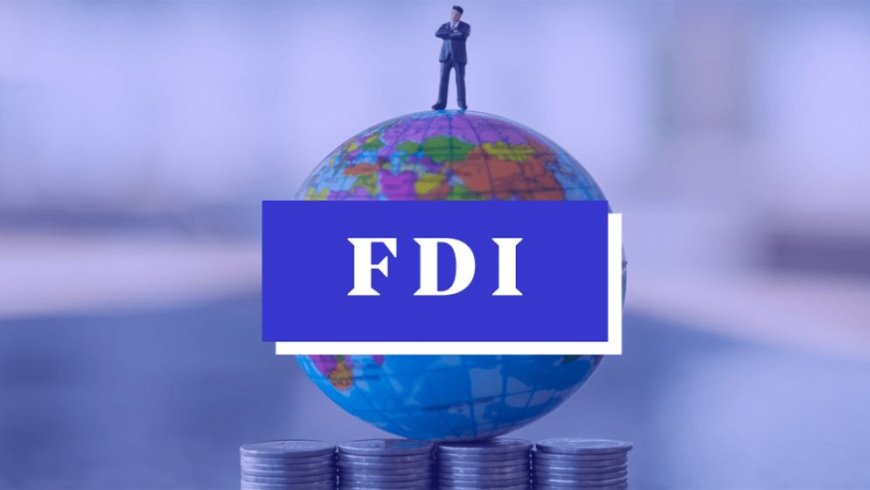
Foreign direct investment (FDI) in Bangladesh fell by 18 percent in the final quarter of 2025, largely due to political uncertainty during the closing phase of the interim government.
According to Bangladesh Bank data, net FDI dropped to $108 million in October–December 2025, compared to $132.81 million in the same period a year earlier.
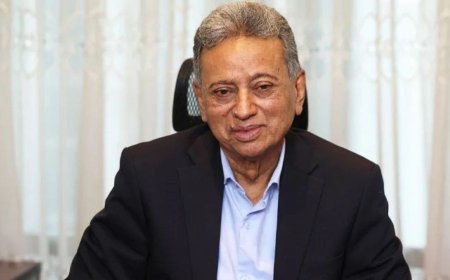
Economists attributed the decline to political instability and uncertainty surrounding the elections. Former World Bank Dhaka office lead economist Zahid Hossain noted that the investment climate at the time was not conducive.
“There was uncertainty over the direction of political consensus, making it unrealistic to expect foreign funds to flow into the country. Although the interim government took some initiatives to attract investment, those efforts faced obstacles,” he said.
He added that investors were cautious, aware that the interim administration was temporary and that there was no clear electoral roadmap. Reinvested earnings also dropped sharply, falling by 35.31 percent to $217.4 million in the October–December quarter, down from $325.75 million a year earlier.
Reinvested earnings refer to profits generated by foreign companies from their local operations that are reinvested rather than repatriated. While this reflects some level of ongoing activity, overall FDI growth depends heavily on new equity investments, which remained weak.
Mustafizur Rahman, a distinguished fellow at the Centre for Policy Dialogue (CPD), said foreign firms scaled back reinvestment amid the broader economic and political uncertainty.
“There were doubts about whether elections would take place, which discouraged reinvestment. Although elections were eventually held in February, concerns persisted during that quarter,” he said.
Beyond political factors, economists pointed to structural challenges such as complex policies, high business costs, and infrastructure limitations as barriers to FDI. Bangladesh continues to lag behind other South Asian countries in areas like port management, transport and logistics, and cargo handling capacity.
Rahman also highlighted issues such as the lack of an effective single-window system and the high cost of doing business as key deterrents.
“Even if the political situation improves, investment will not increase unless these structural problems are addressed. The formation of an elected government alone will not automatically boost FDI, as investors assess the overall business environment,” he added.
A senior Bangladesh Bank official said private sector investment has also weakened, suggesting that both domestic and foreign investors remain cautious about new ventures.
Overall foreign investment—including equity, reinvested earnings, and intra-company loans—stood at $363.82 million during the period, down from $494 million in the same quarter of 2024.
What's Your Reaction?