




























































Iran has again shut down the Strait of Hormuz amid its standoff with the United States over a naval blockade, with some ships reportedly caught mid-transit
Iran has again shut down the Strait of Hormuz amid its standoff with the United States over a naval blockade, with some ships reportedly caught mid-transit.

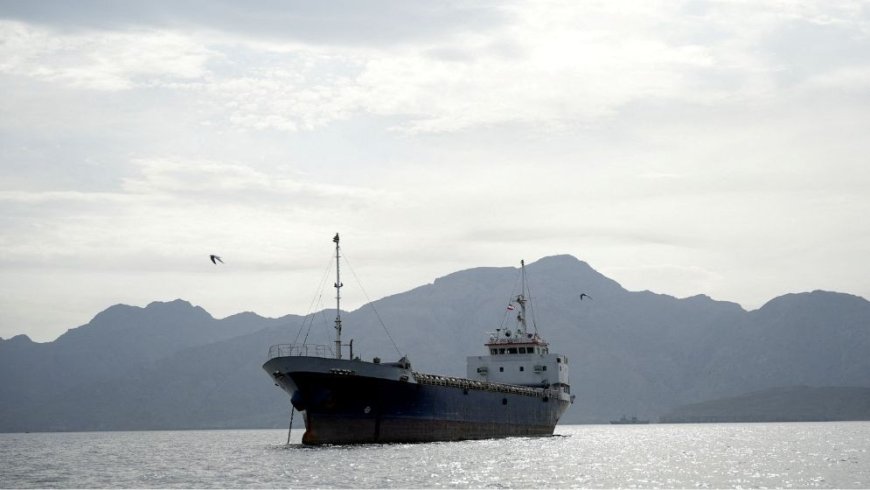
Iran’s military announced on Saturday that the Strait of Hormuz had been closed once again, only hours after it was briefly reopened while more than a dozen commercial vessels were passing through the crucial waterway.
The back-and-forth over the strait raised questions about US President Donald Trump’s claim a day earlier that a peace deal to end the US-Israeli war with Iran was “very close.” Tehran had initially declared the route open on Friday following a ceasefire in Lebanon aimed at halting Israel’s conflict with Hezbollah. The strait, which typically handles about a fifth of global oil and liquefied natural gas shipments, is a vital artery for global energy trade.
The reopening had buoyed global markets and driven oil prices down. However, with Washington insisting that its naval blockade of Iranian ports would remain in place until a final agreement is reached, Tehran warned it could shut the passage again.
By late Saturday morning, Iranian state television, citing military central command, reported that control of the Strait of Hormuz had “returned to its previous status” and was now under strict armed forces oversight, blaming the continued US blockade.
At the same time, maritime tracking data showed several vessels rushing through the narrow corridor, many staying close to Iranian territorial waters as directed and, in some cases, identifying themselves as Indian or Chinese ships to signal neutrality. Others, which had begun heading toward the strait late Friday, turned back amid the uncertainty. By 0900 GMT Saturday, a number of ships had completed transit in both directions, though at least two tankers bound for India from UAE ports reportedly reversed course.
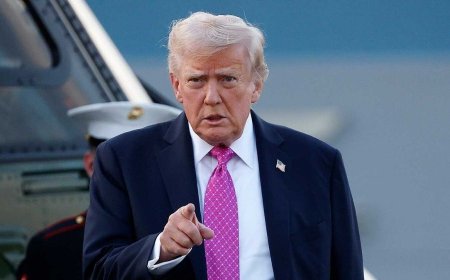
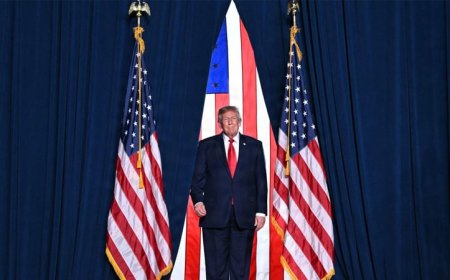
With only four days left in the two-week ceasefire in the US-Israeli war—launched on February 28—Trump remained confident a deal was imminent, describing developments as “great” and praising mediation efforts led by Pakistan.
Pakistan has taken a central role in brokering talks, hosting recent negotiations attended by US Vice President JD Vance. Its army chief, Field Marshal Asim Munir, concluded a three-day visit to Iran on Saturday, while Prime Minister Shehbaz Sharif toured Saudi Arabia, Qatar, and Turkey to advance diplomatic efforts. Another round of talks is expected in Islamabad in the coming week.
The conflict began with a surprise wave of US and Israeli strikes on Iran, killing Supreme Leader Ali Khamenei and other senior figures, and quickly escalated across the region, with Iran targeting US interests in the Gulf and Hezbollah launching attacks on Israel.
Despite signs the ceasefire is holding—including Iran reopening parts of its airspace to international transit—key issues remain unresolved, particularly Iran’s stockpile of highly enriched uranium and the future status of the Strait of Hormuz.
Trump said on Friday that a deal was close and suggested Iran had agreed to hand over roughly 440 kilograms of uranium enriched to 60 percent. But Iran swiftly rejected the claim, with foreign ministry spokesman Esmaeil Baqaei stating that the country’s enriched uranium would not be transferred and that such a proposal had never been part of negotiations.
Meanwhile, ordinary Iranians continue to face an extended internet blackout, which monitoring group NetBlocks said has now entered its 50th day.
What's Your Reaction?