











































Bangladesh among 60 economies facing proposed US tariffs over forced labour concerns
Bangladesh among 60 economies facing proposed US tariffs over forced labour concerns

US proposes new tariffs on Bangladesh, 59 other economies over forced labour concerns
The United States has proposed imposing additional tariffs on imports from Bangladesh and 59 other economies, citing their failure to adequately prevent and enforce bans on goods produced with forced labour, a move Washington says unfairly disadvantages American businesses and workers.
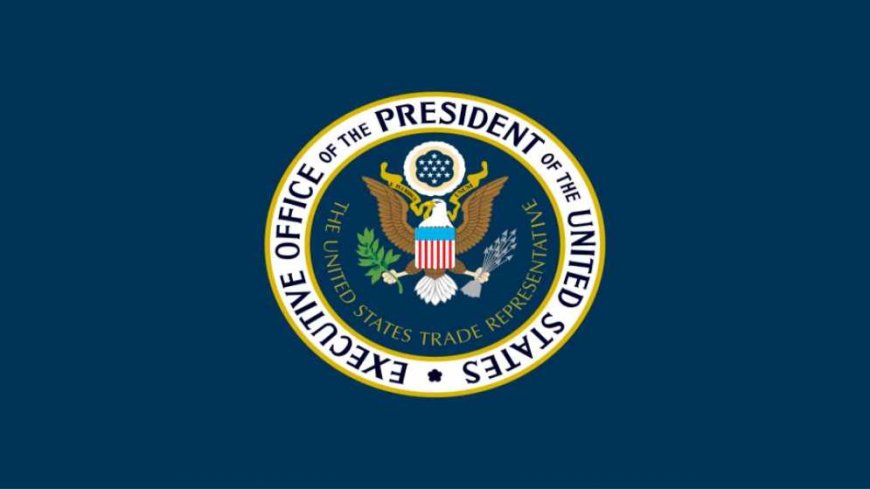
The decision follows a determination by the Office of the United States Trade Representative (USTR) under Section 301 of the Trade Act of 1974. In findings released Tuesday, the USTR concluded that the acts, policies and practices of 60 economies regarding the prohibition of imports made with forced labour are unreasonable and place burdens on US commerce, making them subject to trade action under US law.
To support its findings, the USTR published a comprehensive report titled Acts, Policies, and Practices of Various Economies Related to the Failure to Impose and Effectively Enforce a Prohibition on the Importation of Goods Produced with Forced Labor.
“The failure of our most important trading partners to address the importation of goods made with forced labor is unacceptable,” US Trade Representative Ambassador Jamieson Greer said. “This forces American workers to compete on an uneven playing field globally.”
Greer acknowledged that some trading partners have taken preliminary steps to curb imports linked to forced labour through mechanisms such as the US-Mexico-Canada Agreement (USMCA) and commitments under reciprocal trade agreements. However, he stressed that more comprehensive action is required to ensure global trade does not incentivise or sustain forced labour practices.
The USTR has invited public comments on the proposed measures. Requests to testify at public hearings, along with summaries of testimony, must be submitted by June 22, 2026, while written comments are due by July 6. Public hearings on the proposed actions are scheduled for July 7.
As part of the proposed response, the USTR is considering additional duties on all products originating from the investigated economies, subject to certain exemptions outlined in a Federal Register notice.
Economies that already maintain a forced labour import prohibition, have committed to implementing one under reciprocal trade agreements, or have adopted partial measures preventing the importation of certain forced labour goods would face an additional tariff of 10 percent.
All other economies would be subject to a proposed additional duty of 12.5 percent.
The USTR has also proposed a special textile mechanism that would allow a limited volume of apparel and textile imports from selected economies to enter the US market at a reduced Section 301 tariff rate.
The investigations were launched on March 12, 2026, under Section 302(b) of the Trade Act. Following public consultations, the USTR received testimony from nearly 60 witnesses and reviewed around 500 comments and rebuttal submissions.
After examining the evidence, the USTR concluded that all 60 economies under investigation had failed either to establish or effectively enforce prohibitions on the importation of goods produced with forced labour.
Among the 54 economies cited for failing to impose and enforce such prohibitions are Bangladesh, China, India, Japan, Malaysia, Saudi Arabia, Singapore, South Korea, Thailand, the United Kingdom and Vietnam. Six others — Canada, Ecuador, the European Union, Indonesia, Mexico and Pakistan — were found to have failed in effectively enforcing existing prohibitions.
According to the USTR, these shortcomings undermine international efforts to eliminate forced labour, distort market competition by lowering production costs for firms using forced labour, weaken the profitability of compliant businesses and facilitate the circumvention of existing import restrictions.
The agency further argued that the continued importation of forced labour-linked goods places US producers at a competitive disadvantage both domestically and in international markets by enabling unfair competition and displacing products manufactured without forced labour inputs.
What's Your Reaction?