



























































Trump orders a new 50% tariff on a wide range of Canadian goods
Trump orders a new 50% tariff on a wide range of Canadian goods.

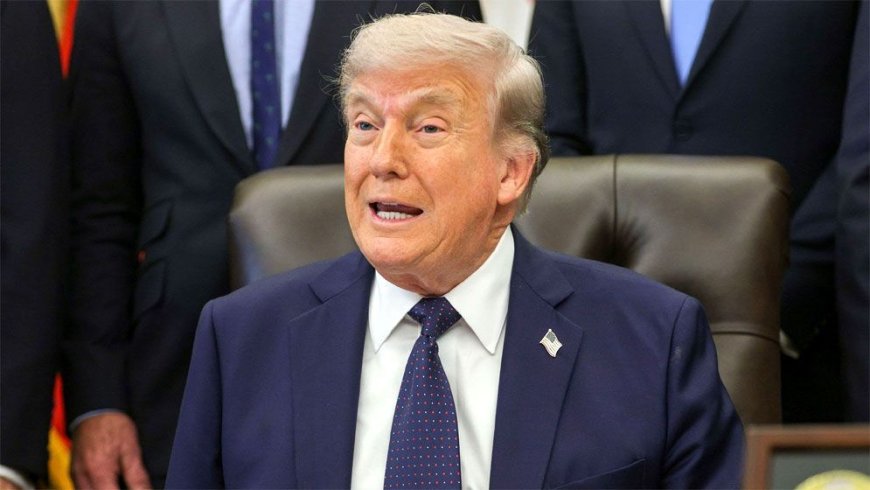
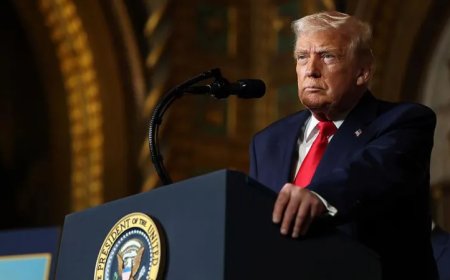
US President Donald Trump on Monday signed orders imposing new 50% tariffs on a wide range of Canadian goods, accusing Ottawa of unfairly treating American alcohol, automobiles and dairy products.
The tariffs, which will take effect in 30 days, will apply to products including wine, hockey sticks and cement, according to the White House.
The move comes after the US Supreme Court struck down many of Trump's tariffs this year. For the new duties, the administration is relying on Section 338 of the Tariff Act of 1930, a legal provision that has never previously been used to impose tariffs.
Energy products, potash and goods already subject to sector-specific tariffs will be exempt. However, the new duties will also affect products covered by the US-Mexico-Canada Agreement (USMCA), potentially placing additional strain on North American trade relations.
Canadian Prime Minister Mark Carney said Ottawa was prepared to “intensify” negotiations with Washington and had already proposed measures to resolve trade disputes and modernise the USMCA.
“This is the latest in a series of unilateral US trade actions that began with the US imposing a series of tariffs in direct violation of the Canada-United States-Mexico Agreement,” Carney said. “Canada, as is its right, has merely matched those measures.”
The announcement raised concerns among businesses about a possible escalation in the trade dispute.
Since returning to the presidency last year, Trump has imposed tariffs on several US trading partners, although goods entering the United States under the USMCA were often exempted. The latest measures could further strain relations with America's second-largest trading partner, coming days after Trump threatened Canada with higher tariffs over wildfire smoke that had drifted into the United States.
The White House said Canada, along with China, was among the countries that retaliated against Trump's sweeping tariffs introduced since 2025.
Washington also criticised Canadian provinces for halting purchases of US alcohol, expanding market access for European Union dairy products and limiting US vehicle exports from companies that have shifted production back to the United States.
US Trade Representative Jamieson Greer said the new tariffs were intended to “hold Canada accountable for its retaliation and discrimination.”
Seeking leverage
The use of Section 338 marks the first time the provision has been invoked to impose tariffs, according to Scott Lincicome of the Cato Institute. He said many legal experts believe the provision may have been superseded by other trade authorities, arguing that Trump had shown a willingness to use “any statute on the books.”
Former US trade official Ryan Majerus said the law faced significant legal uncertainty and had never been tested in court.
“This is clearly designed to get some leverage over Canada,” said Majerus, now a partner at King & Spalding.
He noted that negotiations over the USMCA are underway, with talks between Washington and Mexico moving faster than those with Canada. The delayed implementation of the tariffs, he suggested, could be intended to pressure Ottawa to accelerate negotiations.
However, if the tariffs take effect as announced, the removal of USMCA exemptions could have significant consequences.
Retaliation risk
Chris Swonger, president of the Distilled Spirits Council of the United States, said the alcohol industry welcomed Washington's recognition of Canada's restrictions but hoped the dispute could be resolved without further escalation.
He warned that steep tariffs could trigger additional retaliation at a time when many US hospitality businesses were already facing financial difficulties.
Lincicome also questioned Washington's claims of discrimination regarding Canadian dairy products, noting that they are linked to Canada's trade arrangements with the European Union.
He said the tariffs could still face legal challenges, but warned that even if a court ultimately strikes them down, the process could take time and create significant uncertainty in the meantime.
What's Your Reaction?