







































CPD Fellow Calls for Review of Bangladesh-US Trade Agreement
CPD Fellow Calls for Review of Bangladesh-US Trade Agreement

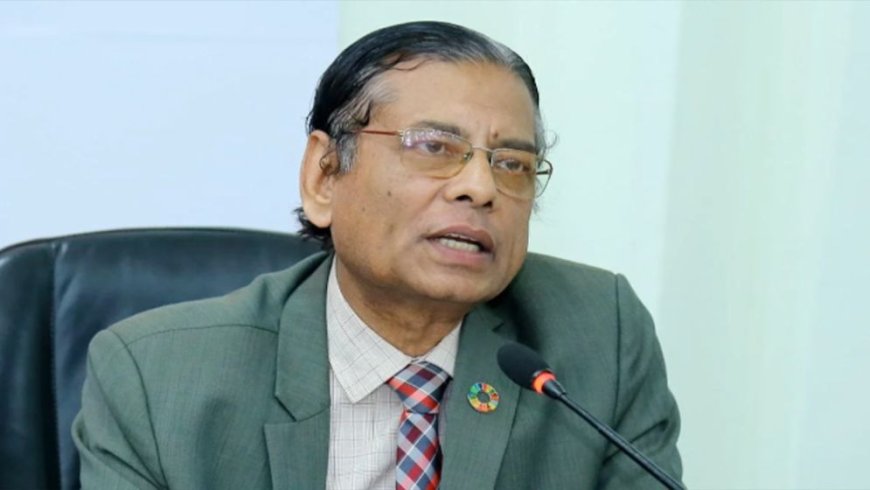
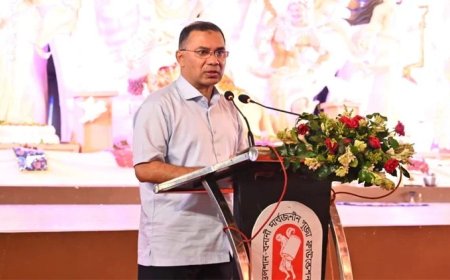
CPD Distinguished Fellow Mustafizur Rahman has called for a review of the tariff-related trade agreement between Bangladesh and the United States, arguing that additional tariffs would fail to address concerns over forced labour and could instead exacerbate the problem.
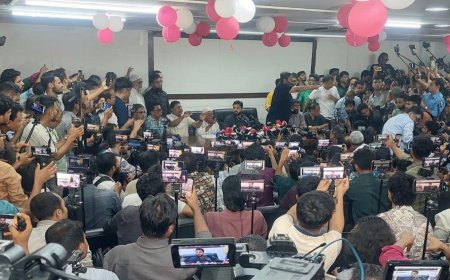
Speaking at a press conference organised by the Centre for Policy Dialogue (CPD) on Thursday ahead of the national budget, Rahman criticised a recent proposal by the Office of the United States Trade Representative to impose extra tariffs on imports from 60 countries, including Bangladesh, over alleged shortcomings in preventing the import of goods produced through forced labour.
Under the proposal announced on Tuesday, the United States is considering imposing an additional 10 to 12.5 percent tariff on products from the affected countries.
Responding to questions from journalists, Rahman said the United States often evaluates issues from its own perspective and may not fully appreciate Bangladesh’s socio-economic realities. He noted that child labour persists in sectors such as brick kilns, largely because many families depend on the income earned by their children.
Questioning Washington’s approach, he argued that if the objective is to reduce child labour, providing financial support and development assistance would be more effective than imposing punitive tariffs. “Instead of offering support to address the root causes of child labour, the United States is proposing an additional 10 percent tariff on exports. This raises questions about the actual purpose of the measure,” he said.
Rahman also pointed out that while the United States had previously imposed reciprocal tariffs on 60 countries, only nine ultimately reached agreements with Washington. Bangladeshi exports currently face an average tariff of around 15 percent in the US market. With the additional 19 percent tariff agreed under the existing arrangement, the total duty rises to 34 percent.
If a further 10 percent tariff is imposed, the overall tariff burden would increase to 44 percent, he said, warning that such a rate could significantly undermine Bangladesh’s export competitiveness.
Given the evolving circumstances, Rahman stressed the need to revisit and renegotiate the Bangladesh-US tariff agreement. “This agreement certainly deserves to be reviewed and discussed again,” he said.
What's Your Reaction?