










































Lebanon Says Hezbollah Accepts US Proposal to Halt Attacks
Lebanon Says Hezbollah Accepts US Proposal to Halt Attacks

Lebanon announced on Monday that Hezbollah had accepted a US proposal to halt attacks on Israel in exchange for Israel ceasing strikes on Beirut's southern suburbs, following US President Donald Trump's claim that he had held a "very good call" with representatives of the Iran-backed group.
According to a statement from the Lebanese Embassy in Washington, shared by the Lebanese presidency, the arrangement would see Israeli attacks on Dahiyeh — the southern suburbs of Beirut — stop in return for Hezbollah refraining from launching attacks against Israel. The announcement came after Israel had threatened fresh strikes on the area earlier in the day.
The development followed growing concerns that Israel's escalating military campaign in Lebanon, including intense airstrikes and its deepest ground incursion in two decades, could derail wider regional ceasefire efforts involving the United States and Iran.
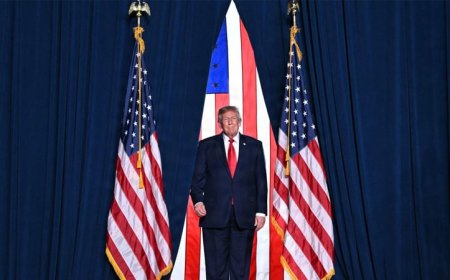
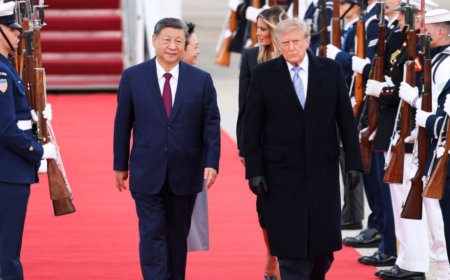
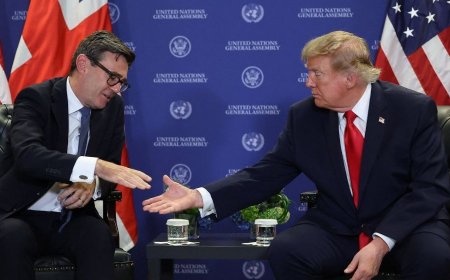
Trump said he had successfully urged both sides to de-escalate. Following what he described as a "very productive" conversation with Israeli Prime Minister Benjamin Netanyahu, Trump wrote on Truth Social that no Israeli troops would enter Beirut and that forces already heading there had been turned back.
He also claimed that, through intermediaries, Hezbollah had agreed to stop all shooting, while Israel would refrain from attacking the group.
Netanyahu later reiterated Israel's position, warning that Israeli forces would continue striking targets in Beirut if Hezbollah failed to stop attacks on Israeli towns and civilians. Trump, however, maintained his push for a lasting truce, expressing hope that hostilities between Israel and Hezbollah would end permanently.
The announcements came ahead of a fourth round of direct US-hosted talks between Israel and Lebanon scheduled for Tuesday and Wednesday. Military delegations from both sides held security discussions last week.
Hezbollah lawmaker Hassan Fadlallah said the group's stance remained unchanged, calling for a comprehensive ceasefire across all Lebanese territory. Despite the reported agreement, Hezbollah later claimed responsibility for several attacks on Israeli targets, primarily in southern Lebanon.
Earlier on Monday, Iran stressed that a ceasefire in Lebanon remained essential for any agreement with Washington, while the Revolutionary Guards warned of opening "new fronts" in response to Israel's military actions.
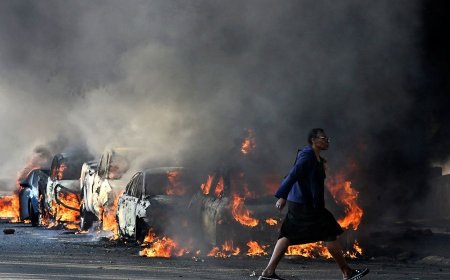
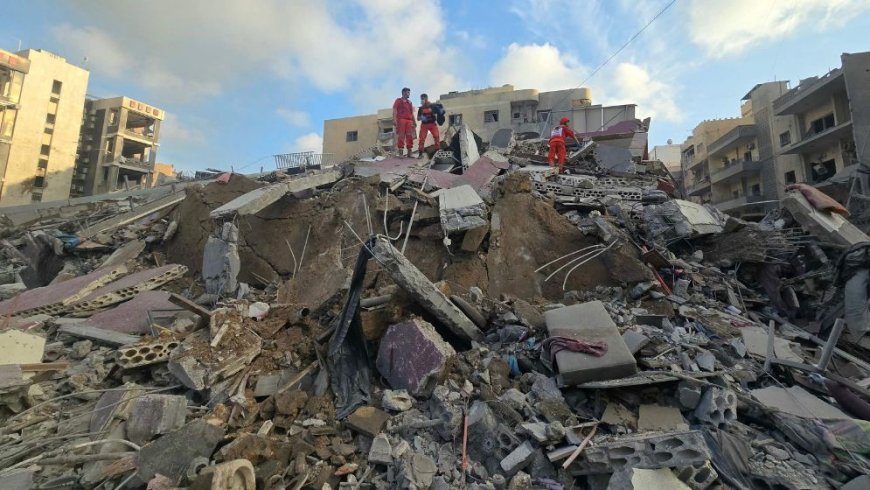
Meanwhile, Lebanon's state-run National News Agency reported Israeli airstrikes on dozens of locations in southern Lebanon, including an attack that damaged a hospital in the coastal city of Tyre. AFP correspondents reported extensive destruction in the area, while Lebanon's health ministry released footage showing significant damage inside hospital facilities.
In the border village of Qlayaa, Father Antonios Farah told AFP that an Israeli strike on a vehicle killed a man and his two children as he was driving them back from university examinations in Beirut.
Lebanon's health ministry said Israeli attacks since 2 March had killed at least 3,433 people. Israel's military reported that two soldiers were killed in southern Lebanon, raising the number of Israeli military fatalities since early March to 27.
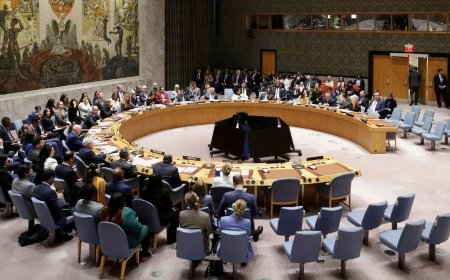
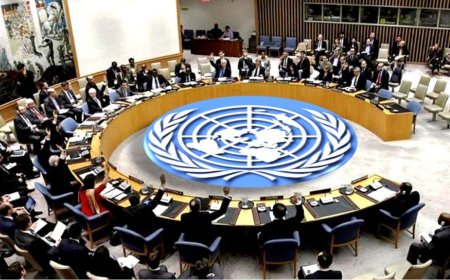
UN Secretary-General Antonio Guterres's spokesperson, Stephane Dujarric, urged all parties to respect the cessation of hostilities. The UN Security Council convened an emergency meeting on the conflict on Monday, while a report by Guterres stressed the need to maintain peacekeeping forces in Lebanon beyond the expiration of their current mandate at the end of the year.
Earlier in the day, Netanyahu and Defence Minister Israel Katz said they had ordered strikes on Beirut's southern suburbs in response to what they described as repeated Hezbollah violations of the ceasefire. Israel's military subsequently warned residents of the area to evacuate.
Katz also vowed to establish a military-controlled zone along southern Lebanon's Litani River if Hezbollah attacks persisted. AFP journalists reported scenes of panic as families fled the densely populated suburbs.
One resident, 24-year-old Hadi, said hopes for stability under the truce had quickly faded. Speaking by telephone, he said fears intensified after Israel's warning, prompting widespread panic and forcing many residents to leave the area immediately.
A ceasefire intended to halt the fighting took effect on 17 April, but both Israel and Hezbollah have repeatedly accused each other of violating the agreement, with daily exchanges of fire continuing despite the truce.
What's Your Reaction?