





























































Riyadh Attack Sparks Concern in Bangladesh
Riyadh Attack Sparks Concern in Bangladesh

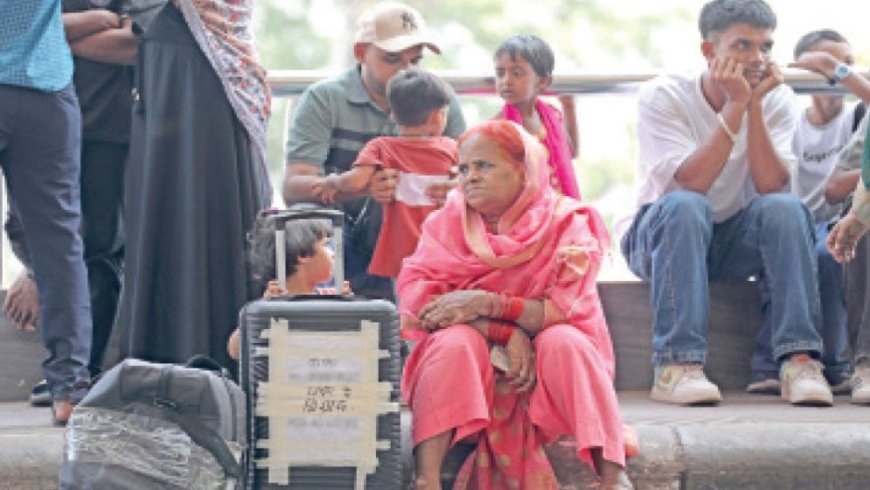
Bangladesh is growing increasingly concerned about the escalating security crisis in Saudi Arabia, with fears that prolonged instability could affect expatriate workers, air connectivity, overseas employment, remittance inflows, fuel supplies and investment prospects. Saudi Arabia is Bangladesh’s largest overseas labour market and a major supplier of crude oil.
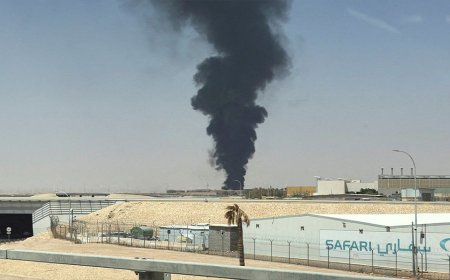
The concerns have intensified following a deadly missile attack on King Khalid International Airport in Riyadh on 10 October. Saudi authorities blamed Yemen’s Houthi rebels for the attack, which reportedly killed at least 12 people, including two Bangladeshis, and injured more than 300 others. Four other Bangladeshi nationals are receiving intensive care.
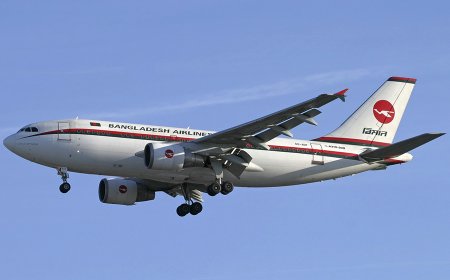
Airport operations were suspended as passengers fled amid the strikes. The Houthis have also warned airlines, airport personnel and travellers against using Saudi airports and airspace, raising fears of further attacks and widespread disruption to regional air travel.
Repeated Houthi missile and drone strikes on Saudi territory, combined with the group’s strategic presence along Yemen’s Red Sea coast and its ability to threaten key maritime routes, have heightened the security and economic risks associated with the conflict.
Experts warn that prolonged hostilities could weaken Saudi Arabia’s economic activity, disrupt employment and energy supplies, and adversely affect Bangladesh’s remittance earnings, overseas labour market, fuel import costs and investment prospects.
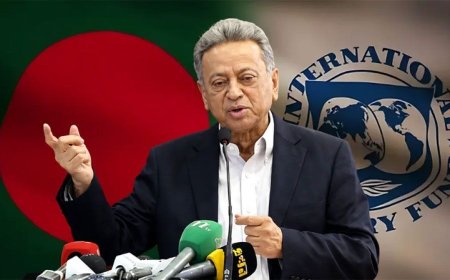
“If the war drags on, Saudi Arabia’s economic activities could contract, putting additional pressure on the economy and potentially affecting employment, particularly for foreign workers,” Dr Fahmida Khatun, distinguished fellow at the Centre for Policy Dialogue (CPD), told the Daily Sun.
She cautioned that job losses and the possible return of Bangladeshi workers could intensify pressure on the domestic labour market, disrupt remittance inflows and constrain the accumulation of foreign exchange reserves.
Jobs and Remittances Under Threat
Saudi Arabia is Bangladesh’s largest overseas employment destination, with more than four million Bangladeshis living and working in the kingdom. In 2025, a total of 755,194 Bangladeshis migrated to Saudi Arabia for employment, representing nearly two-thirds of all Bangladeshi workers who went abroad that year. Another 311,153 travelled to the kingdom for work between January and 10 October this year.
Saudi Arabia is also Bangladesh’s largest source of remittances. According to Bangladesh Bank data, the country received $5.85 billion in remittances from the kingdom during the 2025–26 fiscal year, compared with $4.26 billion in 2024–25.
However, monthly remittance inflows from Saudi Arabia declined during the first quarter of the current fiscal year, dropping from $587 million in July to $559 million in August and $504 million in September.
A prolonged conflict could slow construction, services and other labour-intensive sectors in Saudi Arabia, reducing demand for foreign workers while limiting the earnings and employment opportunities of those already working there.
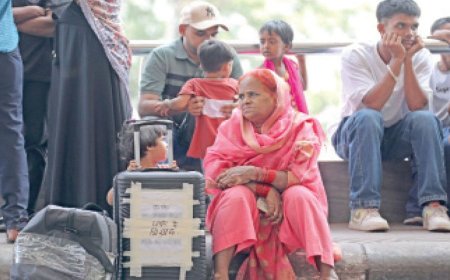
Thousands of Bangladeshis are employed in southern Saudi cities and regions, including Abha, Najran and Jizan, which have frequently faced Houthi attacks. Many work in agriculture, farming and small businesses. A further deterioration in security could force workers to relocate to safer areas or, in the event of a major escalation, return to Bangladesh.
Dr Fahmida noted that the COVID-19 pandemic had demonstrated how an economic downturn could reduce labour demand in the services and industrial sectors, forcing expatriate workers to return home.
A similar situation in Saudi Arabia, she warned, could create additional economic challenges for Bangladesh by weakening remittance inflows and increasing pressure on the domestic employment market.
Fuel Supplies Face Uncertainty
Energy security is another major concern for Bangladesh as the conflict threatens regional supply chains and raises the possibility of higher international oil prices.
Bangladesh’s annual petroleum demand stands at approximately 6.5–7 million tonnes, including 1.4–1.5 million tonnes of imported crude oil. Saudi Aramco, the kingdom’s state-owned oil company, supplies around 750,000 tonnes of Arabian Light crude to Bangladesh annually.
The crude oil is processed domestically to produce 13 types of petroleum products, including diesel, bitumen and petrol.
Saudi Arabia’s energy infrastructure has already come under pressure amid the conflict. Following drone and missile attacks that damaged the kingdom’s strategic East-West oil pipeline, Saudi Arabia suspended oil supplies to several European refineries. Several cargoes scheduled for delivery in September were also cancelled.
Saudi crude oil production, which remained relatively stable at around 10.1 million barrels per day between November 2025 and February 2026, fell to 7.76 million barrels per day in March before declining further to 5.4 million barrels per day in September.
The Bangladesh Petroleum Corporation (BPC), however, does not currently expect any disruption to crude oil supplies from Saudi Arabia.
Nevertheless, a prolonged conflict could threaten the kingdom’s supply networks, push up global oil prices and increase shipping expenses. Potential risks to maritime traffic through the Bab el-Mandeb Strait, combined with possible disruptions to oil transportation through the Strait of Hormuz, could further raise costs for countries heavily dependent on imported energy.
For Bangladesh, any sustained increase in international oil prices and transportation costs could significantly inflate the national fuel import bill.
Badrul Imam, an energy expert and honorary professor at the University of Dhaka, said the crisis underscored the importance of diversifying Bangladesh’s crude oil suppliers.
“This is really a critical situation. We need to diversify our source for crude oil. We can seek more supply from eastern partners, especially from Indonesia. Depending too much on a single country for anything is not a good ploy,” he said.
Trade and Investment Prospects Under a Cloud
Bangladesh’s bilateral trade with Saudi Arabia could also face challenges if the conflict expands and disrupts regional economic activity.
According to Saudi Arabia’s government data platform, DataSaudi, the kingdom exported goods worth $1.4 billion to Bangladesh in 2025. Major export categories included fertilisers, mineral fuels and oils, and plastics.
During the same period, Saudi Arabia imported goods worth $458 million from Bangladesh, with ready-made garments accounting for the bulk of the shipments.
Prolonged instability could disrupt bilateral trade, affect supply chains and create uncertainty over the availability and cost of industrial raw materials.
The crisis could also complicate Bangladesh’s efforts to attract significant Saudi investment. During a visit to Bangladesh in July, a high-level Saudi delegation met Prime Minister Tarique Rahman and expressed interest in investing billions of dollars across several sectors, including ports.
Red Sea Gateway Terminal International also expressed interest in investing $180 million in the development of the Bay Terminal. If implemented, the proposed investment could bring the company’s total investment in Bangladesh’s port sector to $1 billion.
In August, Saudi Crown Prince and Prime Minister Mohammed bin Salman formally invited Tarique Rahman to visit Saudi Arabia. Bangladesh considers expanding bilateral trade and attracting Saudi investment key objectives of the proposed visit.
However, continued security and economic instability in Saudi Arabia could create uncertainty surrounding the timing, financing and implementation of these investment plans.
Former ambassador Humayun Kabir, president of the Bangladesh Enterprise Institute, warned that the conflict could undermine remittance earnings and disrupt Bangladesh’s exports to European markets.
“If the conflict spreads, the safety of Bangladeshi expatriate workers could be compromised. If the situation deteriorates significantly, the possibility of evacuating them cannot be ruled out. This poses a major risk for a relatively less resilient economy like ours,” he said.
For Bangladesh, the widening crisis presents interconnected risks extending beyond the immediate safety of its citizens in Saudi Arabia. Any prolonged disruption to employment, remittances, energy supplies, trade and investment could place additional pressure on an economy that relies heavily on overseas workers and imported fuel.
What's Your Reaction?