




















































Why Are Saudi Defences Struggling to Counter Houthi Attacks?
Why Are Saudi Defences Struggling to Counter Houthi Attacks?

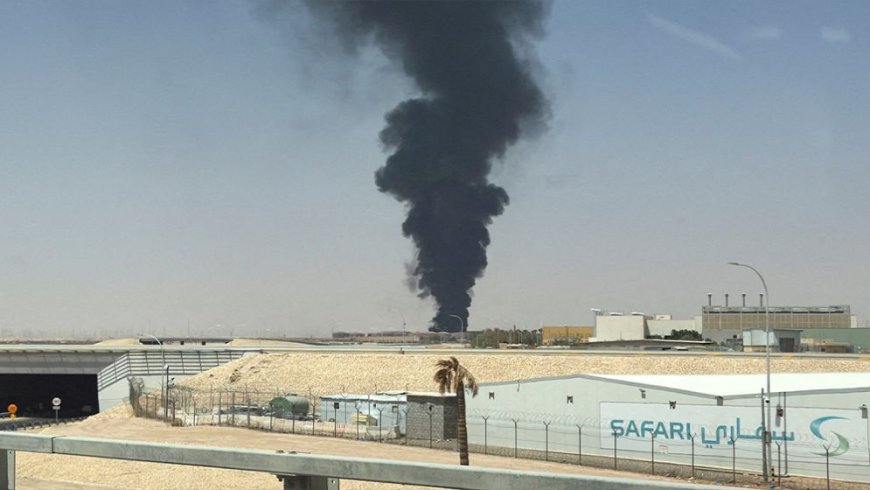
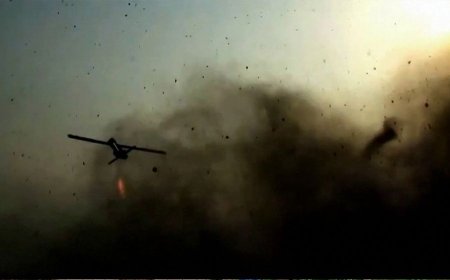
Saudi Arabia has invested heavily in sophisticated military equipment, but a series of deadly attacks, particularly those targeting Riyadh airport, has exposed vulnerabilities in its air defence systems as Houthi strikes continue.
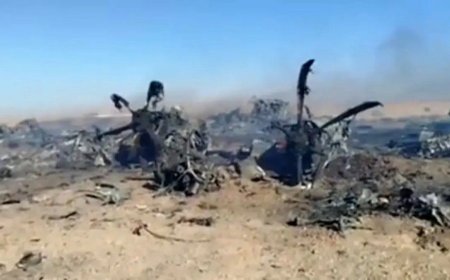
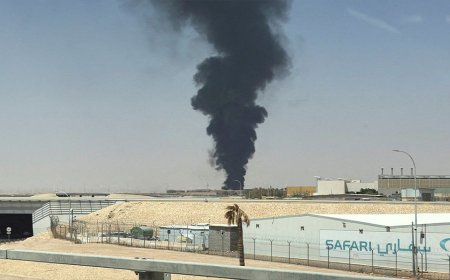
The deadliest attack in Saudi Arabia in more than a decade hit Riyadh airport on Saturday, killing 12 people and injuring more than 300. The incident prompted diplomatic missions to advise their citizens to stay away from the facility. The repeated missile and drone attacks have also undermined the oil-rich kingdom's image as a stable and secure destination.
Is Saudi Arabia struggling to stop the attacks?
Persistent Houthi strikes are placing considerable pressure on Saudi Arabia's air defence capabilities and could be exhausting its stockpiles of interceptor missiles, which have reportedly become increasingly scarce worldwide.
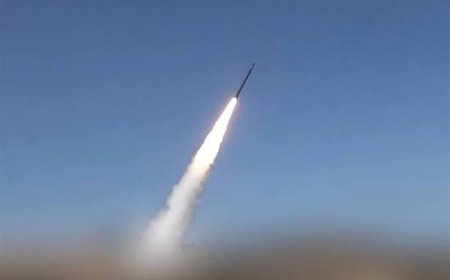
Although Saudi forces have successfully intercepted numerous incoming missiles and drones across the country, several attacks have breached its defences, including strikes on oil infrastructure and Riyadh airport.
King Khalid International Airport, located approximately 35 kilometres from central Riyadh, covers 225 square kilometres, making it one of the world's largest airports by land area.
Andreas Krieg, an analyst at London-based risk consultancy MENA Analytica, said even an integrated defence network combining Patriot and THAAD missile systems, fighter aircraft and other surveillance technologies could not guarantee complete protection for a country as vast as Saudi Arabia, which covers approximately 2.2 million square kilometres.
He explained that Saudi Arabia must simultaneously protect Riyadh, airports, oil installations, military bases, holy cities and extensive critical infrastructure.
Saudi Arabia has relatively limited domestic military manufacturing capabilities and has consequently spent enormous sums acquiring advanced weapons systems from overseas suppliers.
For decades, the kingdom has also relied on foreign military personnel, contractors and trainers to support its armed forces.
Purchases of sophisticated weapons from American, British and French manufacturers have become a cornerstone of Saudi defence policy, while also serving as a diplomatic means of strengthening relationships with Western allies.
Why are the Houthis intensifying their attacks?
Krieg noted that although Saudi air defences intercept many incoming threats, the Houthis do not need to overcome the system every time to achieve their objectives.
Even occasional successful strikes can have a significant impact. The repeated attacks on Riyadh airport demonstrate that the group retains the capability to launch further strikes against strategically important targets over long distances, he said.
The escalation comes as Yemen's prolonged civil war has intensified in recent months. The conflict has pitted the Houthi movement against Yemen's internationally recognised government, which has received support from a Saudi-led coalition.
Thomas Juneau, a security analyst at the University of Ottawa, said the Houthis were seeking to change the strategic balance by responding directly to Saudi military operations.
With Saudi warplanes striking Sanaa airport, which is controlled by the Houthis, the Iran-backed group wants to retaliate against Saudi Arabia in a similar manner, he explained.
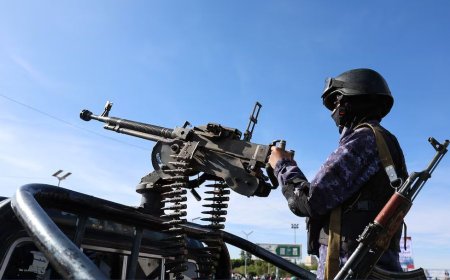
The Houthi movement, also known as Ansar Allah, has tens of thousands of fighters with extensive combat experience. Its members are widely regarded as resilient and well-trained, having fought for years in Yemen's rugged, mountainous terrain.
The group's missiles and drones have posed a longstanding threat to Saudi Arabia and other wealthy Gulf states, with some attacks reaching as far as Israel.
By striking critical Saudi infrastructure, the Houthis are attempting to increase the economic and strategic costs of maintaining the conflict.
Juneau described the group's message as a warning that "the price of peace keeps on going up", referring to efforts to secure a lasting settlement to the Yemen war.
He said the situation was particularly damaging for Saudi Arabia, which has spent several years attempting to reduce its involvement in the Yemeni conflict.
What does the situation mean for Saudi Arabia?
Krieg said Riyadh airport was particularly important because it plays a central role in Saudi Vision 2030, Crown Prince Mohammed bin Salman's ambitious programme to transform the kingdom's economy.
The initiative seeks to establish Riyadh as a major international destination for tourists, multinational corporations and global events.
The Houthis, he added, understand the airport's strategic and economic significance.
Although disruptions to the airport may not directly weaken Saudi Arabia's military capabilities, repeated attacks can inflict substantial economic and psychological damage beyond the immediate physical destruction, Krieg warned.
Saturday's incident was the deadliest attack in Saudi Arabia since a suicide bombing in 2015.
The timing also heightened concerns, as the attack occurred just before the country's prominent convention and entertainment season. The WPC Energy Congress was scheduled to open in Riyadh on Sunday.
The attacks have also raised questions about the effectiveness of public safety communications. Saudi authorities had previously issued occasional text-message alerts warning residents about incoming threats.
However, the suspension of these warnings in recent weeks has left some residents increasingly anxious about their safety.
Several diplomatic missions also expressed frustration on Saturday over the lack of regular updates from Saudi authorities.
Some embassies advised their citizens to avoid Riyadh airport hours before the Saudi government released its first official statement on the incident.
What's Your Reaction?