


























































SME Foundation’s Financial Literacy Training Benefits 2,500 Entrepreneurs Annually
SME Foundation’s Financial Literacy Training Benefits 2,500 Entrepreneurs Annually

The SME Foundation is helping around 2,500 grassroots entrepreneurs each year overcome financial and operational challenges through its Financial Literacy Programme, enabling them to access bank financing, strengthen business management practices, and expand their enterprises.
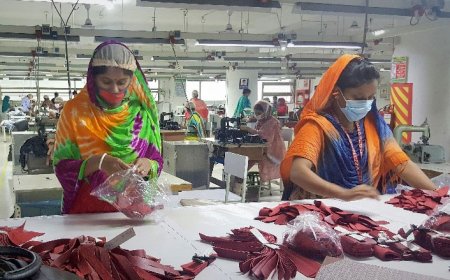
Primarily targeting small, micro and cottage industry entrepreneurs, the programme offers practical training on banking procedures, loan application processes, business documentation, record-keeping, trade licensing and financial management.
Officials said the initiative has become an important support mechanism for entrepreneurs who often face difficulties securing institutional financing due to inadequate documentation and limited knowledge of banking requirements.
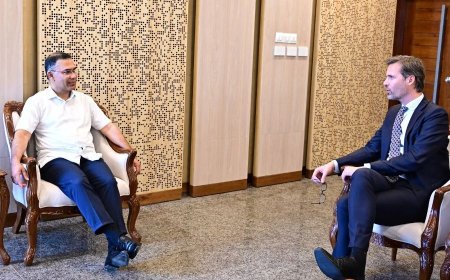
Deputy Managing Director of the SME Foundation, Md Najim Hasan Sattar, said many grassroots entrepreneurs possess strong business potential but fail to qualify for bank loans because they do not maintain proper records of their transactions and business activities.
“Many entrepreneurs lack formal business documentation, which creates obstacles when they seek loans from financial institutions,” he said.
To address the issue, the SME Foundation regularly conducts training programmes across the country, equipping entrepreneurs with the skills and knowledge needed to manage their businesses more professionally and comply with banking requirements.
In addition to training entrepreneurs, the foundation also provides annual training to around 500 bankers on government policies related to SMEs and the challenges faced by small business owners. Officials believe this helps create a more supportive and entrepreneur-friendly banking environment.
A key feature of the programme is its matchmaking initiative, which connects entrepreneurs directly with banks and financial institutions.
Under the arrangement, groups of 40 to 50 entrepreneurs meet senior banking officials to discuss financing opportunities, loan requirements and business prospects.
“The initiative has helped reduce entrepreneurs’ hesitation in approaching banks and increased their confidence in accessing formal financial services,” Sattar said.
The programme’s impact is evident in the experiences of its beneficiaries.
Nurjahan Begum, proprietor of Rani Boutique and Tailor House, said she was initially reluctant to approach banks because of her limited understanding of financial procedures. After receiving training and guidance from the SME Foundation, she successfully obtained a loan and expanded her business.
Similarly, jute product manufacturer Arif Hossain said the programme taught him how to maintain proper business records and financial documents, making it easier for him to secure bank financing.
The SME sector contributes between 27 and 30 percent of Bangladesh’s Gross Domestic Product (GDP) and plays a vital role in employment generation, industrial diversification and rural economic development.
Since its establishment, the SME Foundation has been working to strengthen the sector through entrepreneurship development programmes, capacity-building initiatives, SME fairs and financial literacy campaigns.
Officials believe that by training thousands of grassroots entrepreneurs each year and improving their access to finance, the foundation is making a significant contribution to the long-term growth, competitiveness and sustainability of Bangladesh’s SME sector.
What's Your Reaction?