







































Saudi Airport Closure Disrupts Daily Life in the Kingdom’s Capital
Saudi Airport Closure Disrupts Daily Life in the Kingdom’s Capital

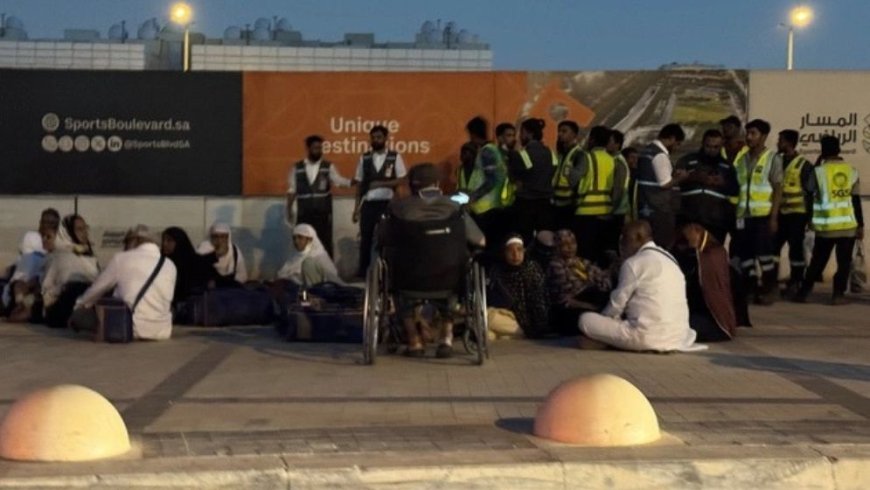
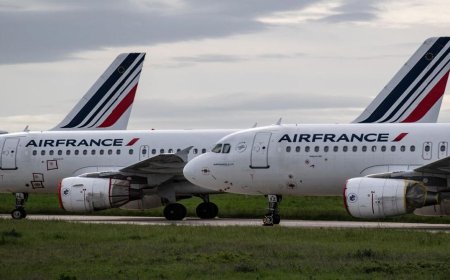
The prolonged closure of Riyadh’s airport following a series of deadly attacks has highlighted the security risks facing Saudi Arabia as it seeks to transform its international image. More than a week after flights were halted, the disruption continues to affect businesses, airlines and residents across the kingdom.
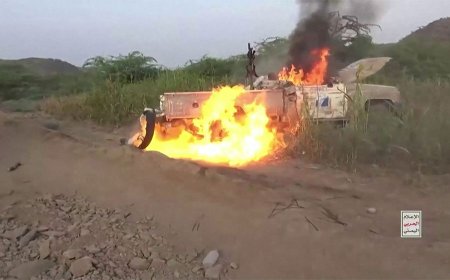
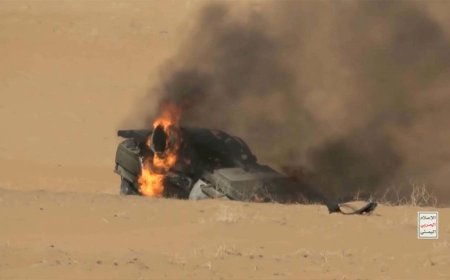
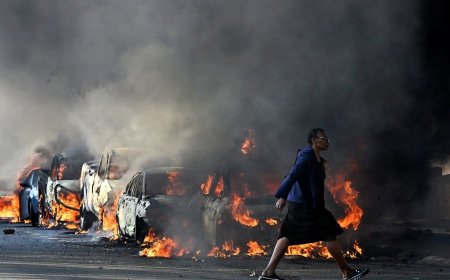
Recent deadly attacks by Yemen’s Houthi rebels have dealt a major setback to Saudi Arabia, forcing authorities to shut the airport until further notice and postpone or cancel several high-profile events. These include the kingdom’s flagship investment conference, widely known as “Davos in the Desert.”
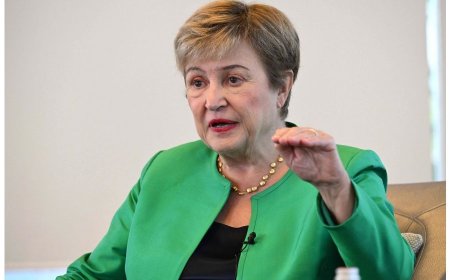
Government agencies in Riyadh have also instructed employees to work from home starting Monday, according to one employee and two consultants who spoke to AFP. The same arrangement has been introduced at the 99-storey Kingdom Centre skyscraper, which houses the regional office of the International Monetary Fund.
“When people start throwing missiles directly at Riyadh airport and any other airport, you can't just continue to operate,” said Captain Desmond Ross, a Dubai- and Ireland-based aviation expert with decades of experience as a pilot and air traffic controller.
He told AFP that attacks on airports pose a fundamentally different threat from strikes against non-aviation targets, adding that Riyadh had been affected more severely than other Gulf or Arab cities during the ongoing Middle East conflict.
Last week, the Saudi-led coalition accused the Houthis of carrying out 20 attacks targeting Riyadh’s airport during October alone.
“The Houthis must immediately cease all terrorist operations,” coalition spokesperson Turki Al-Malki said.
Saudi Arabia has faced repeated Houthi attacks targeting its airports and energy infrastructure in recent weeks, following a sharp escalation in fighting between the kingdom and the Iran-backed rebels.
The Houthis have continued to issue warnings concerning flights in Saudi airspace, showing little indication of backing down.
Saudi officials have not responded to AFP’s questions about when the airport might reopen. A source from a regional airline said the carrier was informed by Saudi authorities on Friday that the closure would continue until further notice, without a specific timeline. Another airline source said the airport was expected to remain shut at least until October 24.
High-Profile Events Hit by Disruption
The airport shutdown has forced Saudi Arabia to postpone or cancel several major events, including a high-profile tennis tournament.
Further announcements have affected the MDLBEAST Soundstorm music festival, Riyadh Fashion Week and the Red Sea Film Festival.
On Monday, the kingdom also postponed its flagship Future Investment Initiative (FII) conference until 2027.
The decision represents another setback for Saudi Arabia’s ambitious economic transformation programme. For nearly a decade, the conference has served as a platform to attract international investors, business executives and political leaders while promoting the kingdom’s vision of reducing its dependence on oil revenues.
“Few want to visit a country under persistent deadly missile attacks. And even fewer want to invest in one,” wrote Karen Elliott House, author of a recent book about Saudi Crown Prince Mohammed bin Salman, in an opinion piece published by The Wall Street Journal.
Residents Seek Alternative Travel Routes
With Riyadh’s airport closed, domestic airlines have scrambled to arrange alternative travel options for the capital’s approximately seven million residents. Recent advertisements have promoted flights from Qassim airport, located around three hours from Riyadh.
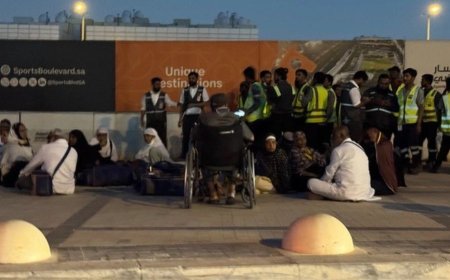
Some travellers have also taken buses to airports in neighbouring Bahrain and Qatar to enter or leave Saudi Arabia.
A Dubai-based consultant said employees were not being compelled to travel to the kingdom. However, those concerned about maintaining client relationships were being encouraged to make the journey by road through Bahrain.
One Riyadh resident described how a flight was diverted during an attack on the airport.
“We decided to land in Jeddah,” the resident said anonymously. “From Jeddah, thank God, everything worked out, and we were able to catch a flight to Qassim.”
As more offices shift to remote working, expatriates who regularly travelled to their home countries over weekends are reconsidering their plans.
“I can cope with this situation for a month or more, but I cannot imagine it lasting much longer than that,” said one resident who had frequently flown home to another Middle Eastern country before the airport closure.
Western embassies have also tightened their travel advisories, with some warning against travel to Saudi Arabia.
These developments, along with growing discussions among expatriates about leaving the kingdom, have fuelled resentment among some Saudis who believe affluent foreign residents have failed to stand by the country during the crisis.
Saudi Officials Attempt to Reassure Residents
Despite the mounting disruption, Saudi ministers have sought to reassure residents and investors that the situation remains under control.
Last week, as text messages warning of an attack on the capital reached residents, Human Resources Minister Ahmad bin Sulaiman Al Rajhi addressed attendees at the Riyadh Economic Forum.
“We are safe. With God's will,” he told the gathering, adding, “May God turn their plots back against them.”
What's Your Reaction?