






















































Japan Visit Success Puts PM to the Test on Balancing Priorities and Delivering Reforms
Japan Visit Success Puts PM to the Test on Balancing Priorities and Delivering Reforms

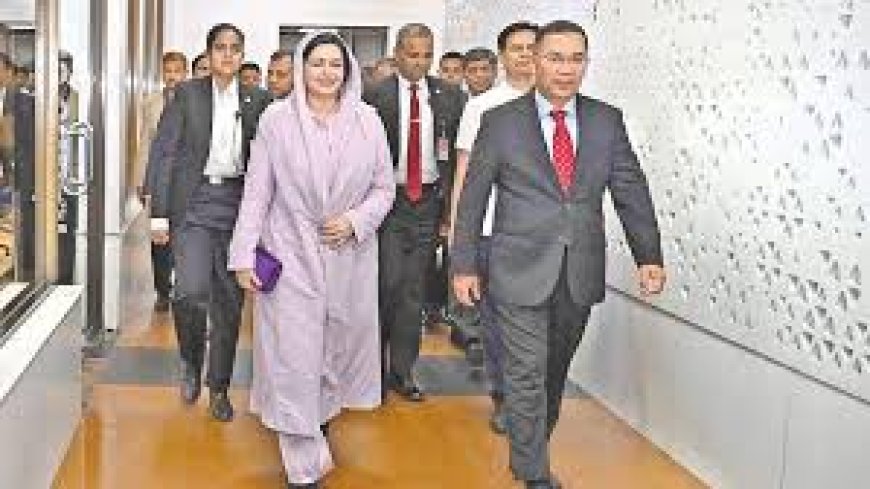
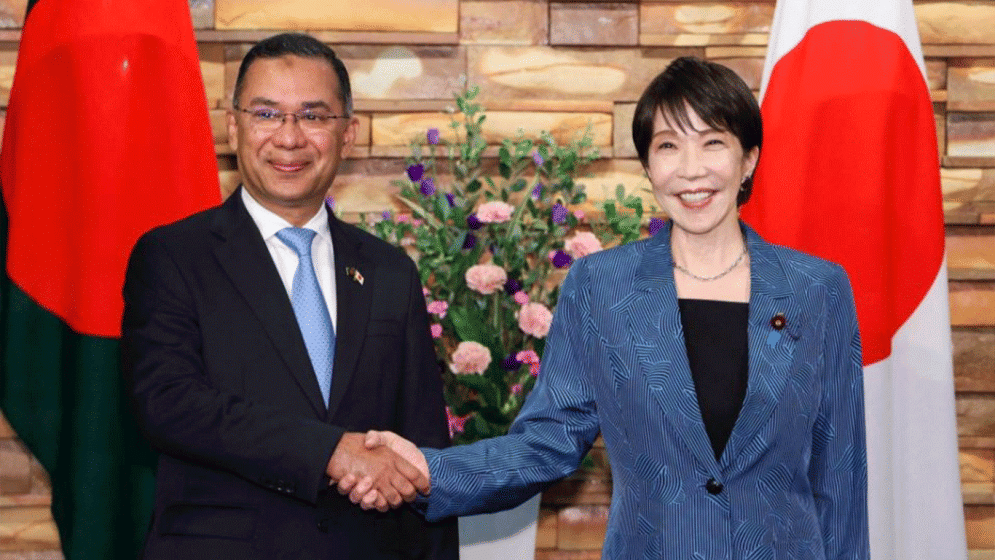
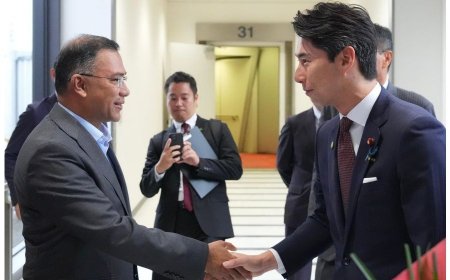
Prime Minister Tarique Rahman’s four-day visit to Japan has raised expectations of attracting one trillion yen, equivalent to approximately $6.35 billion, in Japanese private-sector investment over the next five years. However, the visit has also highlighted the need for policy reforms and a careful balancing of Bangladesh’s relations with major global powers.
During the visit, the two governments signed six bilateral cooperation instruments, while private-sector entities concluded 17 memorandums of understanding (MoUs). International relations experts and business leaders said the joint statement reflected the differing priorities of both countries.
The key challenge now is to translate these commitments into tangible investment, employment opportunities and technology transfers rather than allowing them to remain unfulfilled promises.
“Whatever steps Bangladesh takes in the future will be influenced by major regional and international players. We have entered a new ball game following the prime minister’s visit. It has created a significant challenge for our diplomacy in balancing relations with major powers,” former ambassador Mahfuzur Rahman told the Daily Sun.
Balancing Relations with Major Powers
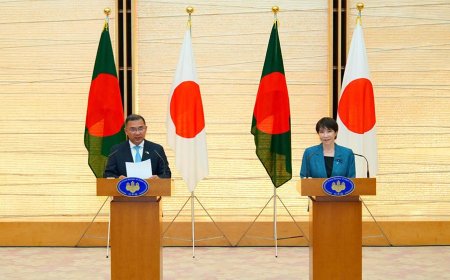
Statements issued by the foreign ministries of Bangladesh and Japan before the visit indicated that the two countries had different expectations from the high-level engagement. The joint statement following Tarique Rahman’s meeting with Japanese Prime Minister Sanae Takaichi sought to accommodate Bangladesh’s investment priorities alongside Japan’s vision of a Free and Open Indo-Pacific.
Mahfuzur Rahman highlighted the Bay of Bengal Industrial Growth Belt (BIG-B) initiative, which includes the development of the Matarbari Deep Sea Port.
“Both Japan and India look forward to using it. Strategic relations with Bangladesh and regional cooperation among these countries are crucial to achieving that objective,” he said.
According to the former ambassador, Japan’s strategic ambitions in Bangladesh remain unchanged, with Tokyo viewing the country as a potential gateway to the vast Indian market.
However, he cautioned that Japan’s investment commitments would come with expectations that Bangladesh must address gradually.
“Bangladesh has to meet their demands in phases. It must focus on customs regulations, product standardisation, connectivity and reforms,” he said.
He added that international partners increasingly offer long-term economic plans linked to broader strategic interests, requiring Bangladeshi diplomats to prepare for more complex negotiations.
Bangladesh needs investment, technology, infrastructure financing and access to export markets from multiple partners, including Japan, China, India, the United States and European countries.
Mahfuzur Rahman said Dhaka should prioritise areas of mutual interest while ensuring that economic cooperation with one country is not perceived as alignment against another.
He stressed that foreign investment proposals should be evaluated based on their economic benefits, financing conditions, strategic implications and long-term sustainability.
Reforms Needed to Attract Investors
Japanese companies have expressed concerns about reliable energy supplies, infrastructure limitations, customs clearance procedures and the predictability of taxation policies.
Abdul Haque, a founding member and former president of the Japan-Bangladesh Chamber of Commerce and Industry (JBCCI), said the government must move beyond promoting investment opportunities and establish an environment where businesses can operate efficiently and plan for the long term.
“Japanese investors mean business. The amount of private investment offered through different instruments during the prime minister’s visit is impressive. But if we want big Japanese investments, we have to bring meaningful reforms in our policies,” said Haque, who has also received Japan’s Order of the Rising Sun, Gold Rays with Rosette.
He called for transparent approval procedures, clear taxation and incentive policies, improved coordination among government agencies and faster resolution of bureaucratic delays.
Investment incentives, he said, should follow clearly defined and publicly available criteria, with benefits tied to measurable outcomes such as employment generation, export growth, local sourcing and technology transfer.
Haque also emphasised the need for a coordinated approach to prevent overlapping commitments, ensure commercial viability and monitor whether investors fulfil their obligations.
The proposed investment package, alongside two loan projects worth approximately $295.5 million, could support infrastructure development, improve the investment climate and strengthen local governance.
The expanded initiative, renamed “BIG-B for Shared Prosperity”, could further promote industrial development around Matarbari and Maheshkhali. However, its success will depend on effective project implementation, land availability, energy security and institutional capacity.
Turning Diplomatic Gains into Economic Results
The Bangladesh-Japan Economic Partnership Agreement, signed earlier this year, offers another avenue for expanding trade and investment.
Economic experts said effective implementation of the agreement would be particularly important as Bangladesh prepares to graduate from least developed country status. The transition will increase the urgency of diversifying exports, strengthening industrial competitiveness and securing new markets.
They stressed that the success of Tarique Rahman’s visit should not be measured solely by the financial value of announced commitments. Instead, the real indicators will be the number of projects implemented, jobs created and improvements made to the country’s economic competitiveness and export diversification.
The government’s immediate priority, they added, is to turn diplomatic goodwill into measurable economic gains through meaningful reforms, while safeguarding Bangladesh’s strategic autonomy amid intensifying regional and global competition.
What's Your Reaction?