


























The United States has imposed sanctions on 35 individuals and entities for helping Iran evade international restrictions
The United States has imposed sanctions on 35 individuals and entities for helping Iran evade international restrictions.

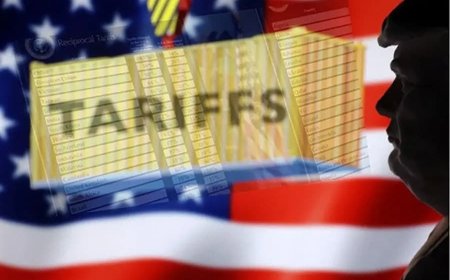
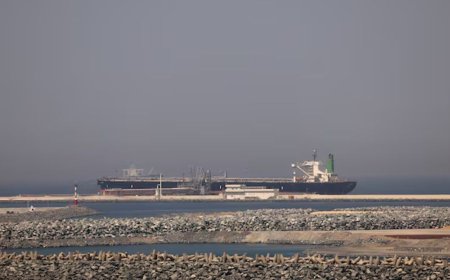
The United States intensified pressure on Tehran on Tuesday by sanctioning 35 individuals and entities linked to Iran’s shadow banking network. It also warned that banks engaging with Chinese “teapot” refineries—accused of paying transit fees for shipments through the Strait of Hormuz—could face punitive measures.
The Treasury Department’s Office of Foreign Assets Control (OFAC) said those targeted had helped move tens of billions of dollars tied to sanctions evasion and Iran’s alleged support for militant activities.
In a separate advisory, OFAC cautioned financial institutions against dealing with companies paying the Iranian government or the Islamic Revolutionary Guard Corps (IRGC) for passage through the strait, stressing the risk of significant sanctions.
Independent Chinese “teapot” refineries, particularly in Shandong province, were highlighted for their role in importing and refining Iranian oil. Some, the US said, had used the American financial system for dollar-based transactions and procurement of US goods. China, however, maintains its opposition to what it calls “illegal” unilateral sanctions.
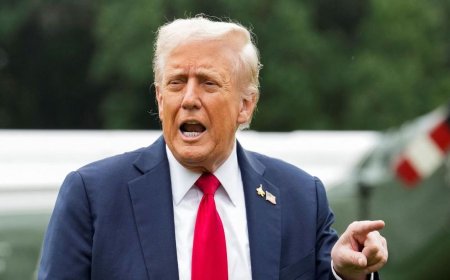
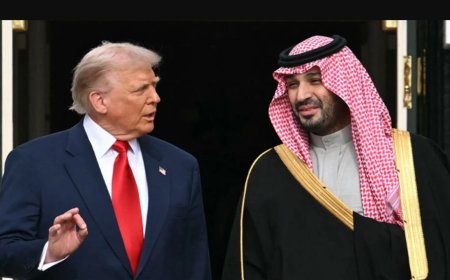
Meanwhile, efforts to end the two-month Iran conflict remained stalled, with US President Donald Trump dissatisfied with Tehran’s latest proposal, which suggested postponing nuclear discussions until after the conflict and shipping disputes were resolved.
According to the Treasury, the latest sanctions target networks enabling Iran’s armed forces—including the IRGC—to access global financial systems, receive payments from illicit oil sales, acquire sensitive components for weapons, and transfer funds to allied groups.
Treasury Secretary Scott Bessent said Iran’s shadow banking system serves as a key financial lifeline for its military operations, fueling instability and violence across the Middle East. He warned that institutions engaging with such networks risk “severe consequences.”
The Treasury noted that the measures aim to disrupt Tehran’s revenue channels, particularly those tied to oil and commodity sales. Since February 2025, OFAC has imposed around 1,000 Iran-related sanctions on individuals, vessels, and aircraft as part of a broader “maximum pressure” campaign.
Cut off from Western financial systems, Iranian banks often rely on intermediaries known as “rahbars,” who manage extensive networks of shell companies abroad to facilitate trade payments.
Among those sanctioned is Farab Soroush Afagh Qeshm Company, accused of working with Shahr Bank to support Iranian oil sales, along with two senior executives. Several rahbar firms linked to Bank Sina—controlled by Iran’s supreme leader—and Bank Sepah, associated with Iran’s missile program, were also designated.
Additionally, OFAC named Nix Energy and Tai Lung Trading for allegedly transferring millions of dollars on behalf of previously sanctioned Iranian individuals.
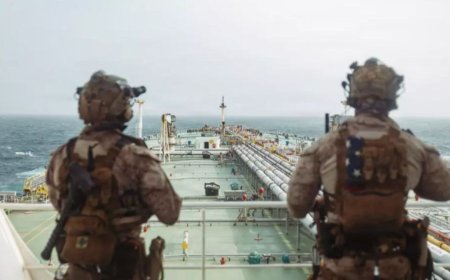
The Treasury reiterated that US persons and institutions are prohibited from making payments to Iran or the IRGC for safe passage through the Strait of Hormuz, warning that foreign banks involved in such transactions could also face sanctions.
The Trump administration has already targeted five Chinese “teapot” refineries, including Hengli Petrochemical (Dalian), a major buyer of Iranian crude.
US sanctions, which freeze assets under US jurisdiction and bar Americans from dealing with designated entities, have discouraged some independent refiners from purchasing Iranian oil. Data from analytics firm Kpler shows China accounts for over 80% of Iran’s oil exports.
Brett Erickson of Obsidian Risk Advisors argued that Washington should expand its measures to include Chinese banks supporting Tehran, saying current actions fall short of a true “maximum pressure” strategy.
What's Your Reaction?